


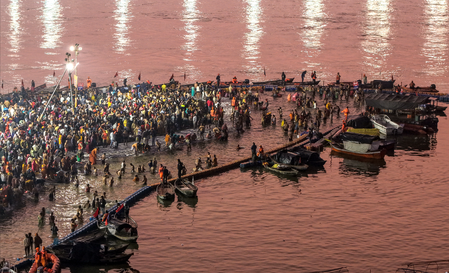
Uttar Pradesh Diwas 2026 is being observed with the theme ‘Viksit Bharat–Viksit Uttar Pradesh’, emphasizing the state’s cultural richness and progress. The event includes the introduction of the ‘One District–One Cuisine’ initiative, showcasing traditional dishes from each district. Union Home Minister Amit Shah will inaugurate the main event in Lucknow at the Rashtra Prerna Sthal premises.
The festivities kick off at the newly-built Rashtra Prerna Sthal in Lucknow, symbolizing a joyous start to Uttar Pradesh Diwas 2026. This celebration aims to embody growth, pride, and cultural diversity within the overarching vision of a developed India and Uttar Pradesh. Union Home Minister Amit Shah will lead the inauguration, expected to be a significant public affair.
The event, set to be inaugurated by Union Home Minister Amit Shah, is anticipated to be a grand public celebration. Chief Minister Yogi Adityanath has urged active participation from people across the state, emphasizing Uttar Pradesh’s diverse cultural heritage and recent developmental achievements. This year’s celebration features the ‘One District–One Cuisine’ (ODOC) scheme, showcasing traditional foods from all districts. Exhibitions will also highlight artisan products under the ‘One District–One Product’ initiative and GI-tagged items. Additionally, the event will recognize five distinguished individuals and commend top-performing districts for their contributions to youth entrepreneurship.
The history of Uttar Pradesh is ancient and fascinating, known in the later Vedic Age as Brahmarshi Desha or Madhya Desha. The state has been associated with the great sages of the Vedic era like Bhardwaja, Gautam, Vashishtha, Vishwamitra, and Valmiki. It is the birthplace of several sacred texts of the Aryans, with both the Ramayana and Mahabharata believed to have been inspired by events in Uttar Pradesh.
In the sixth century B.C., Uttar Pradesh played a significant role in the emergence of Jainism and Buddhism. Sarnath is where Buddha delivered his first sermon, while Kushinagar is where he attained Mahaparinirvana. The state’s cities such as Ayodhya, Prayag, Varanasi, and Mathura became renowned centers of learning. During the medieval period, Uttar Pradesh saw the fusion of Hindu and Islamic cultures under Muslim rule, fostering intellectual growth led by figures like Ramananda, Kabir, Tulsidas, and Surdas.
Even during British rule, Uttar Pradesh maintained its intellectual vigor. The province was initially known as the United Provinces of Agra and Oudh, later shortened to the United Provinces in 1935. In January 1950, it was renamed Uttar Pradesh. The state shares borders with Uttarakhand, Himachal Pradesh, Haryana, Madhya Pradesh, and Bihar, and can be geographically divided into the Southern Hills and Gangetic Plain regions.
Agriculture remains the primary occupation for 66% of Uttar Pradesh’s population, with a net cultivated area of 164.17 lakh hectares.
