


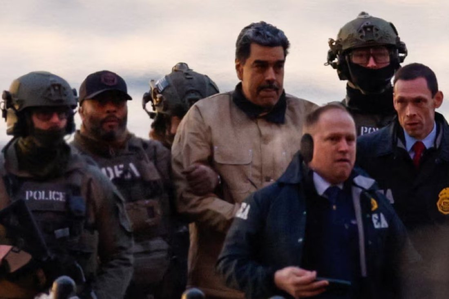
Venezuela’s political crisis escalated when US forces detained President Nicolas Maduro on January 3, 2026. The US government aims to oversee a peaceful political transition in Venezuela, citing the need for restored democracy and stability. However, this move has sparked international criticism for violating Venezuela’s sovereignty and has been condemned as imperial overreach by global bodies.
The 2025 Nobel Peace Prize was awarded to Maria Corina Machado, a vocal Opposition leader recognized for her anti-Chavismo and anti-Maduro stance. Machado, hailing from Caracas, has a background in engineering but is renowned for her pro-democracy activism and human rights advocacy. Her efforts to safeguard democracy and minority rights in Venezuela were highlighted as the basis for the prestigious award.
The Nobel Peace Prize announcement, just before Maduro’s removal, underscored the contrast between international praise for pro-democracy figures and the turbulent Venezuelan reality. The award ceremony in Oslo saw Machado represented by her daughter, Ana Corina Sosa, emphasizing the ongoing struggle for democracy in Venezuela. While supporters view the award as a positive sign, critics within Venezuela question its motives and impact on the nation’s future stability.
The arrest of President Maduro has thrown Venezuela into uncertainty, with concerns raised about potential further instability despite US claims of promoting peace. Observers caution that foreign interventions, often justified in the name of peace, can lead to unintended chaos. The Venezuelan situation serves as a stark reminder that diplomatic gestures and awards may mask underlying political agendas.
