


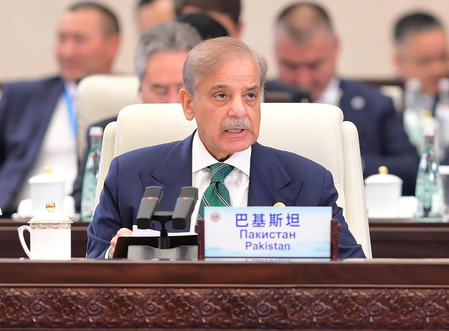
China’s attempts to mediate between Islamabad and Kabul seem to have hit a standstill, casting doubt on its influence in both countries. Despite claims of willingness from Afghanistan and Pakistan to resolve issues, initial responses to Beijing’s mediation, especially from Pakistan, were lukewarm. The conflict between Pakistan and Afghanistan, which reignited last year, despite previous ceasefire attempts, has raised concerns for China, a significant ally and economic partner to both nations.
Beijing, recognizing its substantial interests in the region, intensified its efforts to broker peace between the two countries. Following Pakistan’s military operation against the Taliban, China urged both sides to seek dialogue, exercise restraint, and end hostilities promptly. China’s special envoy for Afghanistan, Yu Xiaoyong, engaged in shuttle diplomacy between Islamabad and Kabul in March, aiming to facilitate a ceasefire. However, reports suggest that Pakistan rebuffed China’s attempts to resolve the conflict, citing concerns over militant groups in Afghanistan.
The ongoing stalemate in China’s mediation efforts between Pakistan and Afghanistan indicates a lack of progress. Pakistan’s reluctance to engage in negotiations with the Taliban unless the issue of militant groups operating from Afghanistan is addressed underscores the challenges. The report also highlights the possibility that Pakistan’s alignment with the United States may be influencing its response to China’s mediation, potentially hindering further progress in resolving the conflict.
