


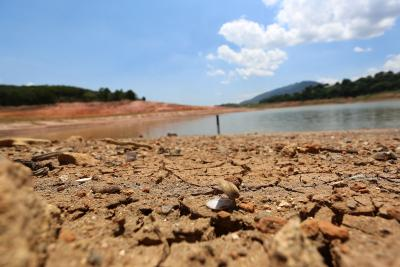
The Sao Paulo metropolitan region, the most densely populated urban area in Brazil, is experiencing a drinking water supply emergency due to a combination of factors. These include an intense heat wave, increased consumption, and a prolonged drought, resulting in critically low levels in the area’s reservoirs, which is home to around 20 million people. The crisis coincides with recent privatization of the Basic Sanitation Company of Sao Paulo State (Sabesp) by the state government in 2024, leading to overnight cuts in water service.
State officials have reported a significant surge in water consumption, with levels rising by up to 60 percent in the past week, despite nearly 30 percent of the population being away for the holiday season. To address the situation, authorities have issued guidelines promoting responsible water usage and have implemented urgent measures to curb wastage. Rationing measures introduced since August have reportedly saved approximately 57 billion liters of water.
Despite these efforts, the ongoing high demand for water coupled with the absence of rainfall continues to impact the water levels in the Integrated Metropolitan System. Currently, the system is operating at a mere 26.42 percent of its total capacity, highlighting the severity of the situation.
