


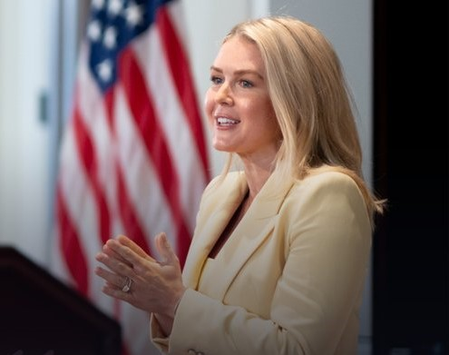
The White House has intensified its criticism of sanctuary policies, aiming for stronger collaboration between state and local authorities in enforcing federal immigration laws. Press Secretary Karoline Leavitt highlighted President Donald Trump’s push for enhanced cooperation, labeling resistance to Immigration and Customs Enforcement (ICE) by state and local governments as a direct threat to public safety. Leavitt accused Democratic leaders in Minnesota of actively defying federal immigration law and impeding federal officers from executing their duties.
President Trump engaged in discussions with Minnesota Governor Tim Walz, outlining three straightforward points of cooperation between ICE and local law enforcement. These points include handing over arrested illegal immigrants to federal authorities, transferring individuals with criminal backgrounds to federal custody, and permitting federal officers to operate without hindrance. The administration deems such collaboration as standard practice in most states and warns that non-compliance has led to tragic consequences in Minnesota.
Emphasizing the constitutional right to protest, Leavitt clarified that impeding lawful immigration enforcement operations is not protected under this right. She underscored that obstructing such operations is a criminal offense and endangers federal officers. Leavitt defended the administration’s broader immigration strategy, affirming Trump’s commitment to deporting criminal illegal aliens, particularly those with violent backgrounds. Recent ICE operations have resulted in the arrest of multiple violent criminals convicted of offenses like assault, domestic violence, fraud, and driving under the influence.
In response to queries regarding civil liberties, Leavitt expressed the president’s strong support for law-abiding citizens’ Second Amendment rights. However, she cautioned against carrying weapons while confronting law enforcement, citing increased risks of deadly outcomes. The immigration enforcement issue remains contentious in the US, especially as Democratic-controlled states and cities challenge federal authority. The Trump administration prioritizes cooperation with ICE as a key component of its domestic security agenda.
