


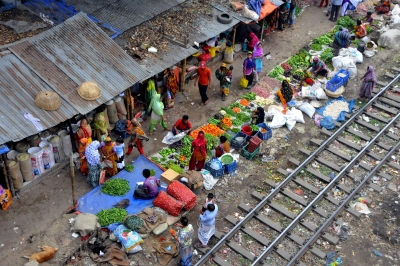
Although geographically distant, the conflict in the Middle East directly impacts villages in Bangladesh where many families rely on relatives working in the Gulf region. This situation has elevated regional unrest to a household concern, according to a report. The Bangladesh government has reported that since the conflict began, at least five Bangladeshi migrant workers have been killed and others injured in missile and drone attacks in various Middle Eastern countries.
Around seven million Bangladeshis currently reside and work in Middle Eastern nations, with Saudi Arabia hosting the largest number at approximately 3.5 million. These workers send back $5 billion annually to Bangladesh. The expatriate community in Saudi Arabia, which started growing in the 1970s, is now the largest. Additionally, the United Arab Emirates has about 850,000 Bangladeshi migrant workers, while Qatar, Kuwait, Oman, and Bahrain also host significant numbers. These workers are primarily engaged in physically demanding, low-paid, and often insecure jobs like construction, transport, cleaning, and retail, which are crucial for many rural families’ financial stability.
The conflict in the Middle East frequently leads to spikes in oil prices, impacting Bangladesh due to its reliance on fuel imports. This results in increased transport, fertilizer, and food costs, affecting everyone but hitting rural households the hardest. The report also points out that any tensions in the Middle East can influence rice prices in Bangladeshi village markets.
The Diplomat quoted Shakhawat Miah, a 43-year-old Bangladeshi migrant worker in the UAE, expressing concerns about the conflict’s impact. He highlighted the fear of losing jobs, rising expenses, and the devaluation of remitted money. Miah emphasized the anxiety felt by workers in the region, with the uncertainty of the situation adding to their worries about safety and livelihood. Villages in Bangladesh are more focused on safeguarding their means of living and families rather than the broader political or diplomatic aspects of the conflict.
