


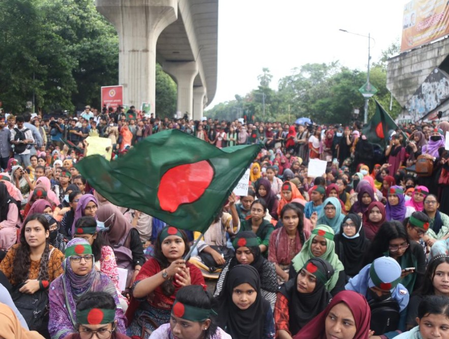
Women’s rights activists in Bangladesh have expressed concern over violence and intimidation targeting women and minorities before the upcoming February 12 elections. They are urging for increased meaningful parliamentary representation, including more reserved seats for women and reforms in the voting process for these seats. Fauzia Moslem, president of the Bangladesh Mahila Parishad, emphasized the need for better progress in women’s representation in the country.
Addressing a press conference in Dhaka, Fauzia highlighted that only 4.2% of candidates in the upcoming election are women, which she deemed unacceptable. Activists have appealed to the Bangladesh Election Commission to ensure adequate security and a gender-sensitive environment for the election to enable all citizens to freely exercise their voting rights. They stressed the importance of addressing concerns such as the safety of women candidates and violence against women.
During the press briefing, Morium Nesa from Action Aid Bangladesh read out a memorandum to the Chief Election Commissioner, emphasizing the crucial role of parliamentary elections in democracy. The memorandum underscored the historical contribution of women in securing democratic rights in Bangladesh and raised concerns about marginalized groups being treated as mere vote banks. Activists also expressed alarm over reports of violence and intimidation against women, minorities, and disadvantaged communities ahead of the polls.
As Bangladesh gears up for its 13th Parliamentary election and referendum on February 12, data from the Election Commission revealed that only 4.08% of the total candidates are women. This low representation has drawn criticism from women’s rights activists, especially considering previous pledges to enhance women’s participation in politics. The ongoing violence against women and children in Bangladesh underscores the urgency of including women in decision-making processes to address these pressing issues.
