


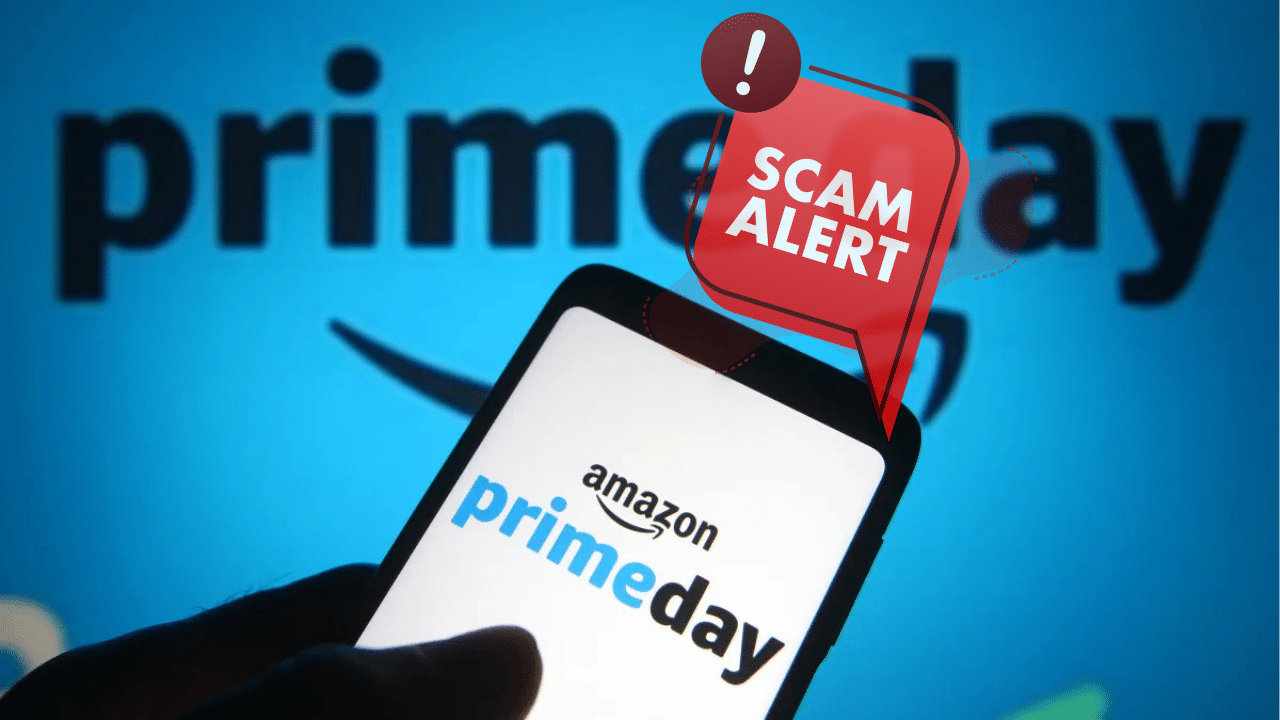
As Amazon’s Prime Day 2025 sale officially kicks off from July 8 to July 11, millions of eager shoppers across India and the globe are logging in, clicking through, and checking out. From big-ticket electronics to everyday essentials, Prime Day has become a massive annual shopping event, often compared to Black Friday in terms of scale and excitement.
But beneath the glitz of deep discounts and lightning deals lies a growing threat: digital scams timed precisely to exploit the shopping rush. In the weeks leading up to Prime Day 2025, cybersecurity experts have flagged an alarming spike in fraudulent activity, with over 120,000 scam websites mimicking Amazon’s branding, layout, and customer service pages. These aren’t just amateur imitations. They are highly sophisticated traps, many powered by artificial intelligence, designed to steal your money, data, and even your identity.
In this Article
The Silent Rise of Prime Day Scams
Gone are the days when spotting a scam meant catching a spelling mistake or a low-resolution logo. Today’s cybercriminals have access to advanced AI tools that can replicate the look and feel of authentic websites and communication channels with alarming precision. Fake domains like amaz0n-sale.com, arnazon.in, and even bogus customer service numbers are being distributed through text messages, emails, WhatsApp forwards, and even Google search ads.
In recent reports, cybersecurity firms noted the creation of tens of thousands of fake Amazon websites, along with more than 75,000 scam messages and phishing texts, all related to the Prime Day sale. These aren’t isolated incidents. They’re part of a well-orchestrated global scam network targeting shoppers at scale.
India, being one of Amazon’s largest and fastest-growing markets, is especially vulnerable. With 96% of online Indian shoppers reportedly planning to participate in the Prime Day sale this year, the potential for widespread fraud is enormous.
Check Out: NRI Property Sale Scam Alert: Protect Yourself from Growing Fraud in India
Why Are These Scams So Dangerous in 2025?
What makes these Prime Day scams particularly concerning this year is the use of AI-generated content and design. Scam websites now feature convincing product listings, real-looking reviews, fake order confirmation pages, and cloned customer support chats. Many of these sites can even imitate Amazon’s delivery tracking pages, making it harder than ever for shoppers to tell the difference between real and fake.
Furthermore, scammers are now using social engineering techniques—such as creating a sense of urgency, offering time-limited deals, or threatening account suspension—to rush users into providing personal information or making hasty payments.
This year’s threat is not just about losing money on a fake product. It’s about identity theft, financial fraud, and long-term digital consequences that could affect your bank accounts, credit cards, or even your government IDs
Top 5 Prime Day Scam Traps You Must Avoid
To help you stay safe, here’s a detailed breakdown of the five most common and dangerous Prime Day scams circulating in 2025:
1. Look-Alike Amazon Websites
Scammers are purchasing domain names that closely resemble Amazon’s official website, such as arnazon.com or amzon-deals.in. These websites are designed to trick even the most careful buyers. They often display fake Prime Day banners, counterfeit products, and discounted prices that are too good to be true.
How to avoid it:
Always type the official Amazon URL manually in your browser or use the Amazon app. Do not click on links shared through texts, emails, or pop-up ads. Before entering any sensitive details, inspect the URL for spelling errors or odd extensions.
2. Phishing Emails and Text Messages
One of the most common tactics involves sending fraudulent emails or text messages that appear to come from Amazon. These messages may contain links to fake order confirmation pages or prompt you to “verify your account.”
How to avoid it:
Amazon never asks for sensitive information via text or email. If you receive any unexpected communication, do not click on any links. Instead, log in directly through the official app or website to check your account status.
3. Gift Card Scams
Scammers frequently pose as Amazon support agents or third-party sellers, asking victims to purchase and share Amazon gift card codes as a form of payment or verification. In some cases, they even threaten account suspension to pressure users.
How to avoid it:
No legitimate Amazon employee will ever ask for gift card details or request payment through this method. If someone insists you pay using a gift card, it’s a scam—report it immediately.
Check Out: WhatsApp Scam Alert: Hidden Malware in Images—Here’s How to Stay Safe
4. Fake Customer Service Numbers
Many fraudulent websites and search ads are promoting fake customer service numbers. When you call these numbers, the person on the other end may sound professional but is often a scammer trying to extract payment or login credentials.
How to avoid it:
Amazon’s official support is only accessible through their website or app. Avoid using any number found on random search results or social media posts.
5. Malware via Deal Links
Some Prime Day deals promoted online are actually links to malware-infected sites. Once clicked, these links can install malicious software on your device—giving scammers access to your passwords, emails, and banking apps.
How to avoid it:
Use strong antivirus software and avoid clicking on suspicious ads or downloads. Ensure your device’s operating system and browser are updated with the latest security patches.
Is Amazon Doing Anything About It?
Yes. Amazon has significantly ramped up its anti-scam efforts. In 2024 alone, the company reportedly took down over 55,000 phishing websites and 12,000 impersonation phone numbers worldwide. They’ve also increased cooperation with global law enforcement and are deploying AI tools of their own to detect fraudulent activity faster.
However, the reality is that new scam sites are being created faster than platforms can take them down. This means the responsibility to stay safe online ultimately rests with users.
Shop Smart, Not Sorry
Amazon Prime Day is meant to offer convenience, value, and excitement. But with cybercriminals lurking at every digital corner, it’s crucial to approach the sale with awareness and caution.
The scammers are prepared. They’ve refined their tools, mastered AI, and exploited human psychology. Now it’s your turn to be prepared. Don’t fall for pressure tactics. Don’t trust unknown links. And above all, don’t let urgency cloud your judgment.
Remember, the best deal is one that doesn’t cost your privacy.
