
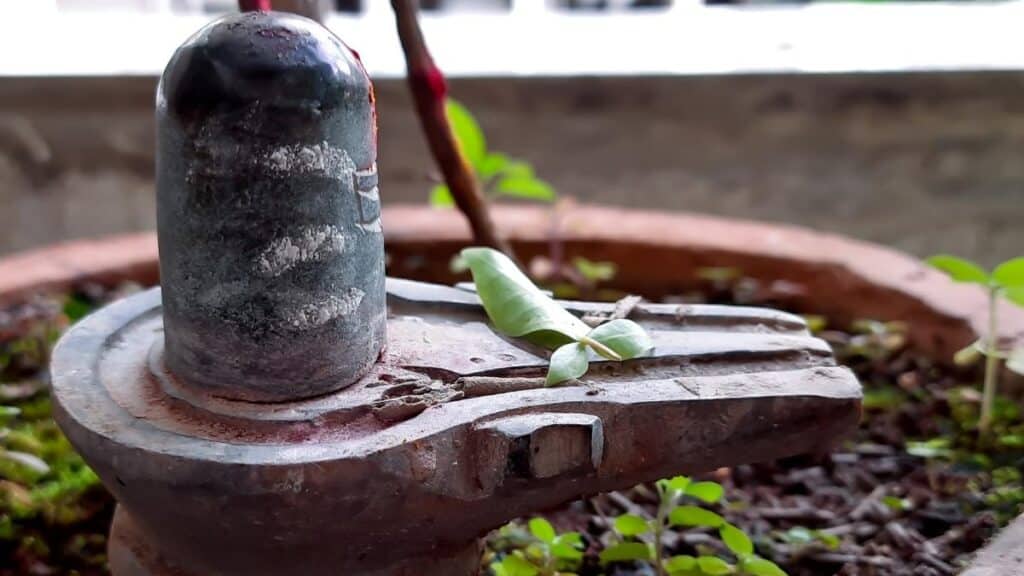
Sawan Somwar — the sacred Mondays of the Hindu month of Shravan — is one of the most spiritually significant observances in the Hindu calendar. Dedicated entirely to Lord Shiva, these Mondays carry special power for fasting, prayer, and devotion. Observed by millions across India, Nepal, and the global Indian diaspora, Sawan Somwar combines deep mythological meaning with living tradition — drawing devotees to temples, pilgrimage routes, and home altars throughout the monsoon season.
The month of Shravan itself is considered the most beloved month of Lord Shiva. Every Monday within it — Somwar in Hindi — is treated as a day of intensified spiritual merit. Devotees observe vrats (fasts), perform abhishek (ritual bathing of the Shivalingam), offer Bilva leaves, and chant the sacred Panchakshara mantra “Om Namah Shivaya” as acts of surrender and devotion.
The spiritual heart of the festival is the legend of Goddess Parvati, who fasted through the entire Shravan month to win Lord Shiva as her husband — establishing the tradition that women, married and unmarried alike, observe on each Sawan Monday to this day.
When Is Sawan Somwar in 2026?
Sawan Somwar falls across different dates depending on the regional lunar calendar followed. In 2026, devotees will observe four sacred Sawan Mondays.
Sawan Somwar 2026 Dates — North India
Rajasthan, Uttar Pradesh, Madhya Pradesh, Punjab, Himachal Pradesh, Uttarakhand, Chhattisgarh, Bihar, Jharkhand (Purnimanta Calendar)
| Occasion | Date | Day |
|---|---|---|
| Shravana Begins | July 30, 2026 | Thursday |
| First Shravan Somwar Vrat | August 3, 2026 | Monday |
| Second Shravan Somwar Vrat | August 10, 2026 | Monday |
| Third Shravan Somwar Vrat | August 17, 2026 | Monday |
| Fourth Shravan Somwar Vrat | August 24, 2026 | Monday |
| Shravana Ends | August 28, 2026 | Friday |
Sawan Somwar 2026 Dates — South & West India
Andhra Pradesh, Telangana, Goa, Maharashtra, Gujarat, Karnataka, Tamil Nadu (Amanta Calendar)
| Occasion | Date | Day |
|---|---|---|
| Shravana Begins | August 13, 2026 | Thursday |
| First Shravan Somwar Vrat | August 17, 2026 | Monday |
| Second Shravan Somwar Vrat | August 24, 2026 | Monday |
| Third Shravan Somwar Vrat | August 31, 2026 | Monday |
| Fourth Shravan Somwar Vrat | September 7, 2026 | Monday |
| Shravana Ends | September 11, 2026 | Friday |
Table of Contents
Sawan Somwar In USA, Canada, Australia, New Zealand, UK, UAE, Singapore 2026 Dates
- Shravana Begins: July 30, 2026, Thursday
- First Shravan Somwar Vrat: August 3, 2026, Monday
- Shravana Ends: August 27, 2026, Thursday
- Shravana Begins: July 30, 2026, Thursday
- First Shravan Somwar Vrat: August 3, 2026, Monday
- Shravana Ends: August 27, 2026, Thursday
- Shravana Begins: July 30, 2026, Thursday
- First Shravan Somwar Vrat: August 3, 2026, Monday
- Shravana Ends: August 27, 2026, Thursday
- Shravana Begins: July 30, 2026, Thursday
- First Shravan Somwar Vrat: August 3, 2026, Monday
- Shravana Ends: August 27, 2026, Thursday
- Shravana Begins: July 30, 2026, Thursday
- First Shravan Somwar Vrat: August 3, 2026, Monday
- Shravana Ends: August 27, 2026, Thursday
- Shravana Begins: July 30, 2026, Thursday
- First Shravan Somwar Vrat: August 3, 2026, Monday
- Shravana Ends: August 27, 2026, Thursday
Why Do Sawan Somwar Dates Differ Across Regions?

There is a 15-day difference in the start of Shravan month depending on which lunar calendar is followed. North Indian states follow the Purnimanta calendar (month ending on the full moon), while South and West Indian states follow the Amanta calendar (month ending on the new moon). Nepal and certain Himalayan regions follow a Solar calendar, resulting in a completely separate set of dates. All three systems ultimately honor the same sacred month — just within different windows of the lunar cycle.
Sawan Somwar Overview
Sawan Somwar is observed by Hindu devotees as a day of fasting, prayer, and closeness to Lord Shiva. The entire Shravan month is sacred to Shiva, but the Mondays within it carry amplified spiritual significance — Monday (Somwar) being the day of the week inherently associated with Lord Shiva throughout the year.
Both men and women observe the fast, though it holds particularly deep meaning for women. Unmarried women fast to seek a devoted, loving husband — following in the footsteps of Goddess Parvati — while married women pray for the long life and well-being of their husbands. Many devout observers also undertake the Solah Somwar Vrat (Sixteen Mondays fast), beginning on the first Sawan Somwar and continuing for four months.
Beyond individual devotion, Sawan Somwar is a month-long communal experience. Temples overflow with worshippers, pilgrimage routes fill with Kanwariyas, and the monsoon season itself becomes intertwined with the mood of reverence and celebration.
Other Names and Regional Identities
Sawan Somwar is known across India’s many languages and regions:
- Sawan Somwar / Shravan Somwar — Hindi (सावन सोमवार / श्रावण सोमवार)
- Shravana Somavara — Kannada (ಶ್ರಾವಣ ಸೋಮವಾರ) and Telugu (శ్రావణ సోమవారం)
- Shravana Somavar — Marathi (श्रावण सोमवार)
- Shraavan Somvaar — Gujarati (શ્રાવણ સોમવાર)
- Shravan Sombaar — Bengali (শ্রাবণ সোমবার)
- Aadi Somavaram — Tamil Nadu, where the Aadi month overlaps with Shravan
- Sawan ke Somwar — Common colloquial term across North India and diaspora communities
Internationally, the observance is often referred to as “Shravan Monday,” “Sawan Monday fast,” or “the Shiva Monday fast” in diaspora and interfaith contexts.
Origins, History, and Legends of Shravan Somvar
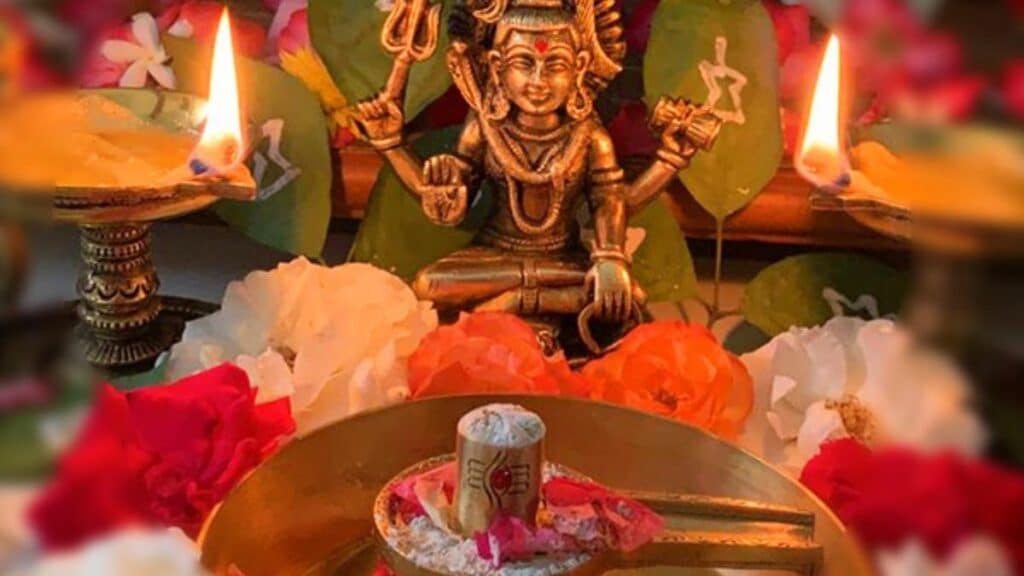
The Legend of Goddess Parvati
The most beloved story behind Sawan Somwar is the divine romance between Lord Shiva and Goddess Parvati.
In her previous birth as Sati, the goddess had immolated herself after her father Daksha insulted Lord Shiva. Before leaving her body, Sati vowed to marry Shiva in every birth. She was reborn as Parvati, daughter of King Himachal and Queen Maina. To win Lord Shiva as her husband once more, Parvati observed rigorous fasts throughout the entire month of Shravan — enduring strict austerities with complete devotion. Moved by her faith, Lord Shiva accepted her as his consort. Their divine union is Hinduism’s most celebrated love story, and the month of Shravan became forever sacred to Lord Shiva as a result.
This legend is why unmarried women fast on Sawan Mondays to seek a devoted husband, and why married women offer prayers for their husbands’ long life.
Scriptural References
The sanctity of Shravan Mondays is described in the Shiva Purana and the Skanda Purana, which record Shravan as the month most beloved by Lord Shiva and prescribe fasting, abhishek, and the chanting of Shiva’s names during this period. Monday’s connection to Lord Shiva comes from his association with the Moon (Chandra) — the crescent moon rests in Shiva’s matted locks — making Somwar the most naturally auspicious weekday for his worship year-round, doubly so during Shravan.
Cultural and Spiritual Significance
Sawan Somwar sits at the intersection of personal devotion, communal tradition, and seasonal reverence. Lord Shiva is seen as the destroyer of ego, the master of time, and the giver of moksha (liberation). Ancient texts explain that during Shravan — when the monsoon nourishes the earth — Lord Shiva is most approachable, wandering the world and receptive to his devotees’ prayers.
The fasting tradition embodies tapasya — disciplined austerity as a path to spiritual growth. By restraining the body and focusing the mind on the divine, devotees cultivate patience, gratitude, and inner strength. For the Indian diaspora in particular, observing Sawan Somwar is an intentional act of cultural and spiritual continuity — a thread connecting generations across geographies.
Prayers and Religious Observances
The Sawan Somwar vrat follows a meaningful sequence of ritual and devotion:
- Fasting from sunrise, broken after the evening puja or at sunset
- Wearing white or light-colored clothing, symbolizing purity
- Visiting a Shiva temple for darshan and offering — ideally one of the twelve Jyotirlingas
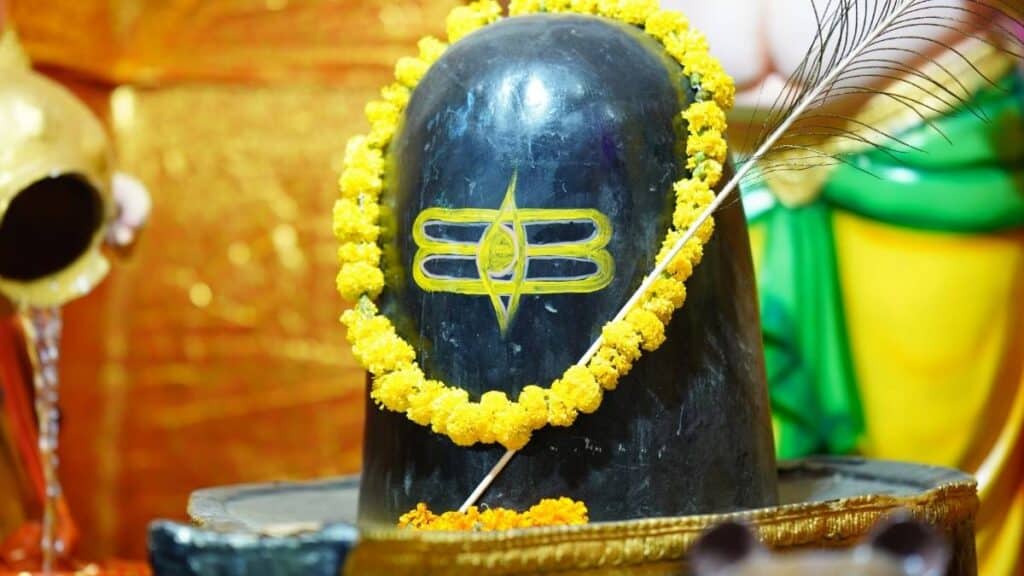
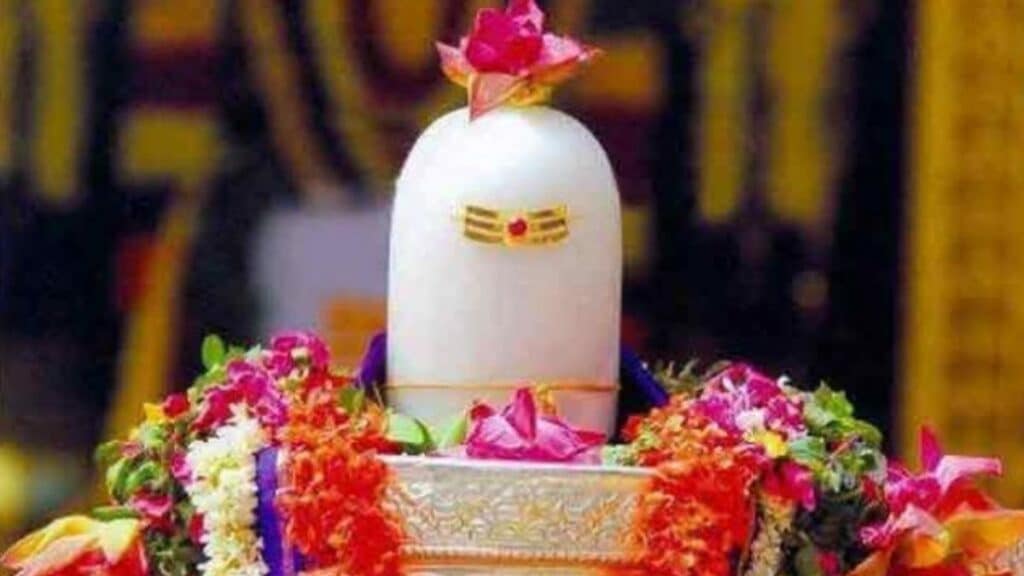
- Performing Abhishek — bathing the Shivalingam with Panchamrit (milk, curd, honey, ghee, and sugarcane juice)
- Offering Bilva (Bel) leaves, Lord Shiva’s most sacred offering
- Chanting Om Namah Shivaya and reciting the Shiva Chalisa or passages from the Shiva Purana
- Lighting lamps and incense, and offering betel leaves and Rudraksha garlands
Many devotees also undertake the Solah Somwar Vrat — sixteen consecutive Mondays beginning from the first Sawan Somwar, extending the fast cycle across four months.
How Sawan Somwar Is Celebrated Across India
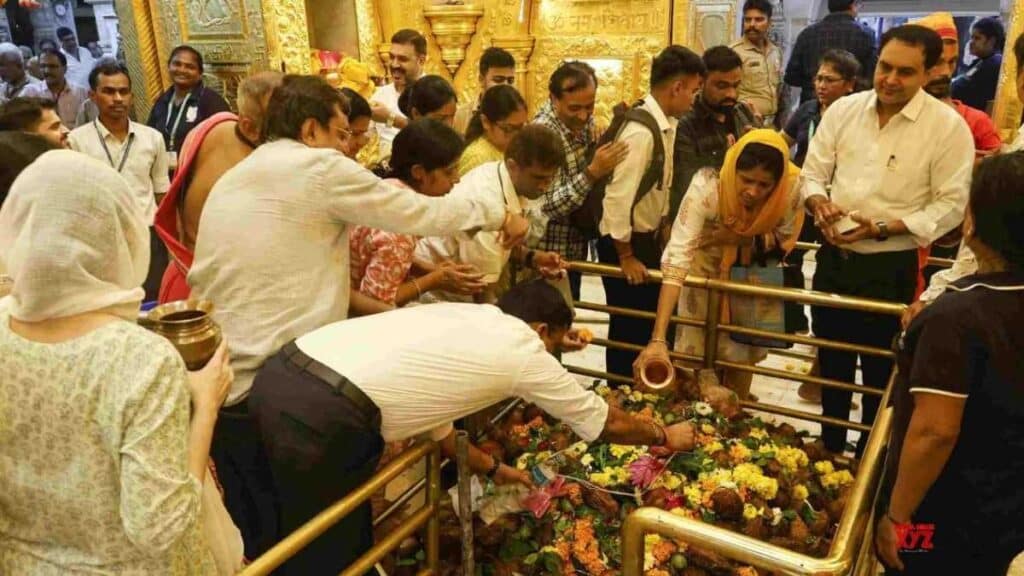
While the essence of the observance remains consistent, its expression varies richly across regions.
In North India, Sawan is defined in large part by the Kanwar Yatra — one of India’s largest religious pilgrimages, where millions of saffron-clad Kanwariyas travel on foot to collect Gangajal (sacred Ganga water) and carry it to their local Shiva temple. Highways from Haridwar and Varanasi fill with devotees throughout the month. The Kashi Vishwanath temple in Varanasi sees queues lasting hours through the night on every Sawan Monday.
In Maharashtra, Shravan Mondays are observed alongside the Mangal Gauri Vrat on Tuesdays, with women’s religious gatherings, bhajan sessions, and temple visits forming the social rhythm of the month.
In Gujarat, early morning puja at Shiva temples — particularly the Somnath Jyotirlinga in Saurashtra — draws large gatherings of women in traditional attire throughout the month.
In South India, under the Amanta calendar, Sawan Somwar celebrations begin in mid-August. The Mallikarjuna Jyotirlinga at Srisailam and other major Shiva temples conduct special abhishek ceremonies on each Shravan Monday.
In Uttarakhand and Nepal, the Kedarnath temple and Pashupatinath Temple in Kathmandu become major pilgrimage destinations, drawing hundreds of thousands of worshippers throughout the Shravan month.
Participation Across Religions in India
While Sawan Somwar is rooted in Shaivite Hindu tradition, its cultural presence extends broadly across communities. In towns and temple cities like Varanasi and Haridwar, the month of Sawan creates a collective festive atmosphere — the sound of temple bells, the sight of Kanwariyas, and the fragrance of incense become part of everyday life for all residents, regardless of faith.
In many parts of India, individuals of other faiths visit Shiva temples out of cultural curiosity or inter-community solidarity, and the Kanwar Yatra has become a cultural phenomenon that extends beyond strictly religious participation in several North Indian states.
How Sawan Somwar Is Celebrated Outside India
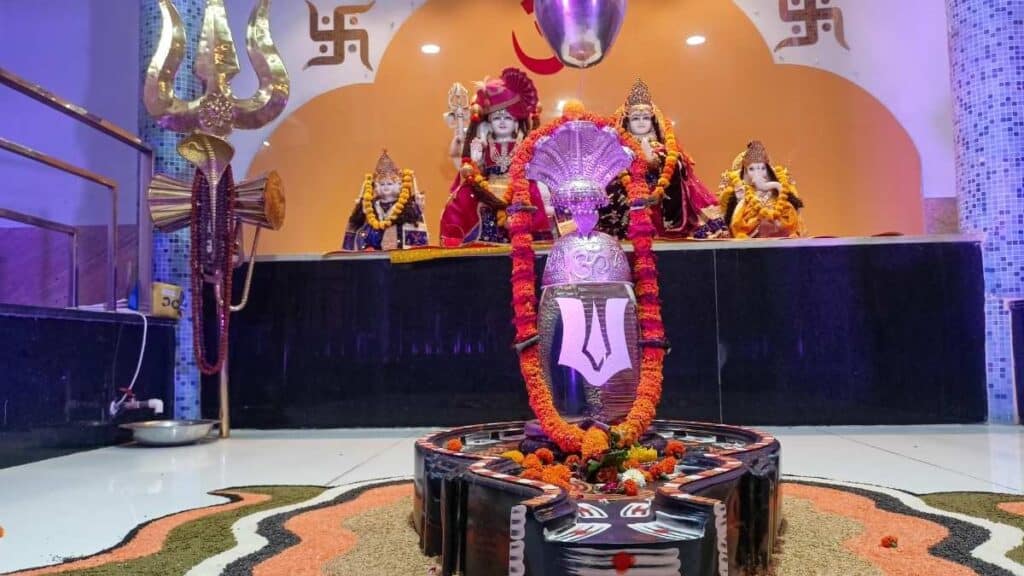
Indian diaspora communities observe Sawan Somwar with devotion that often deepens in diaspora settings, where celebrating becomes an active, intentional choice.
USA and Canada: Hindu temples in New Jersey, Houston, Chicago, Toronto, and Vancouver conduct special abhishek programs on each Sawan Monday, with community satsangs and bhajan evenings throughout the month.
United Kingdom: The Hindu communities of London, Leicester, Birmingham, and Manchester observe Sawan at temples including the Neasden Temple, with live-streamed pujas popular among those unable to attend in person.
UAE: Dubai and Abu Dhabi’s large Indian community observes Sawan fasts, with Hindu temples offering dedicated Shravan month programs.
Australia and New Zealand: Temples in Sydney, Melbourne, Auckland, and Wellington organize Shravan programs; virtual puja platforms are widely used by diaspora observers.
Germany and Singapore: Community temple gatherings and home pujas mark the month, with group iftar-style evening meals to break the fast together.
Gifting Traditions
Sawan Somwar does not carry the commercial gifting culture of Diwali or Raksha Bandhan, but meaningful exchanges do take place among devotees and family members:
- Rudraksha beads and malas — gifted as spiritual blessings, deeply associated with Lord Shiva
- Shivalingam idols — given to newly married couples or family members setting up a home puja space
- Puja kits and Bilva leaf garlands — shared with temple-going neighbors and relatives
- Books on Shiva mythology — popular among those wishing to deepen their practice
- In diaspora settings, hampers containing puja essentials, incense, and Indian sweets are shared among community members
Sawan Somwar Foods and Culinary Traditions
The Sawan Somwar vrat has a rich food culture of its own. Observers follow sattvic (pure and light) dietary rules, avoiding grains, non-vegetarian food, onion, and garlic. Common vrat foods include:
- Sabudana (Sago) dishes — Sabudana Khichdi, Sabudana Kheer, and Sabudana Vada are the most beloved Sawan fast foods
- Kuttu (Buckwheat) preparations — Kuttu ki Puri, Kuttu ka Dosa, and Kuttu Pakori
- Singhare (Water chestnut) flour dishes — flatbreads and sweets made from this traditional vrat ingredient
- Milk-based sweets — Kheer, Rabri, and Paneer preparations offered as prasad
- Potato and peanut dishes — Aloo Jeera, roasted peanuts, and peanut ladoos
- Thandai — a traditional spiced milk drink popular in North India during Sawan
Families gather in the evenings to break the fast together, beginning with prasad from the day’s puja — a quiet, shared ritual that is often the emotional heart of the observance.
Music, Art, and Cultural Expression
Sawan has inspired Indian devotional and classical arts for centuries. The month fills temples and homes with Shiva bhajans — devotional compositions like “Om Namah Shivaya,” “Shiv Tandav Stotram,” “Bhole Bhandari,” and “Har Har Mahadev.” Many of India’s most enduring Shiva devotional recordings — by artists like Anuradha Paudwal — are staples of the Sawan season.
Classical Bharatanatyam and Odissi traditions include compositions dedicated to Nataraja (Lord Shiva as the cosmic dancer), performed especially during Sawan.
In Rajasthan and Uttar Pradesh, women’s folk songs called Sawan ke geet are sung in groups, often while swinging on jhulas (swings) — a traditional Sawan activity symbolizing the joy and abundance of the monsoon season. These songs weave together the beauty of rain, the legend of Parvati, and the devotion of Sawan into a living folk tradition.
Modern Observance and Evolving Practices
Sawan Somwar has adapted thoughtfully to the modern world without losing its essence.
Digital darshan and virtual puja have transformed how diaspora devotees participate. Live-streamed abhishek sessions from Jyotirlinga temples allow devotees in London, Sydney, or Toronto to participate in real time in sacred rituals performed in Varanasi or Ujjain.
Sustainable celebrations are reshaping parts of the Kanwar Yatra tradition, with campaigns encouraging reusable containers for Gangajal and eco-friendly puja kits replacing plastic offerings.
For younger Indians and diaspora youth, Sawan Somwar has found new visibility through social media — temple livestreams, short-form content explaining the Parvati legend, and aesthetic puja setups creating cultural engagement even among those in less observant households.
How to wish someone on Sawan Somwar:
- “Har Har Mahadev! Wishing you a blessed Sawan Somwar.”
- “May Lord Shiva grant all your wishes this Sawan Monday.”
- “Bhole ki kripa aap par sada bani rahe — Sawan Somwar ki shubhkamnaen!”
Cultural Reflection
Sawan Somwar endures because it speaks to something timeless — the longing for divine connection, the discipline of devotion, and the beauty of shared tradition. In the monsoon-drenched landscape of India, where Shiva’s sacred rivers swell and the air fills with the scent of incense and wet earth, the Sawan Mondays carry a particular kind of quiet magic.
Whether observed through a full-day fast, an early morning temple visit, a shared plate of sabudana khichdi, or a whispered “Om Namah Shivaya” — the festival reminds devotees across the world that spiritual connection has no borders, and tradition is always worth carrying forward.