


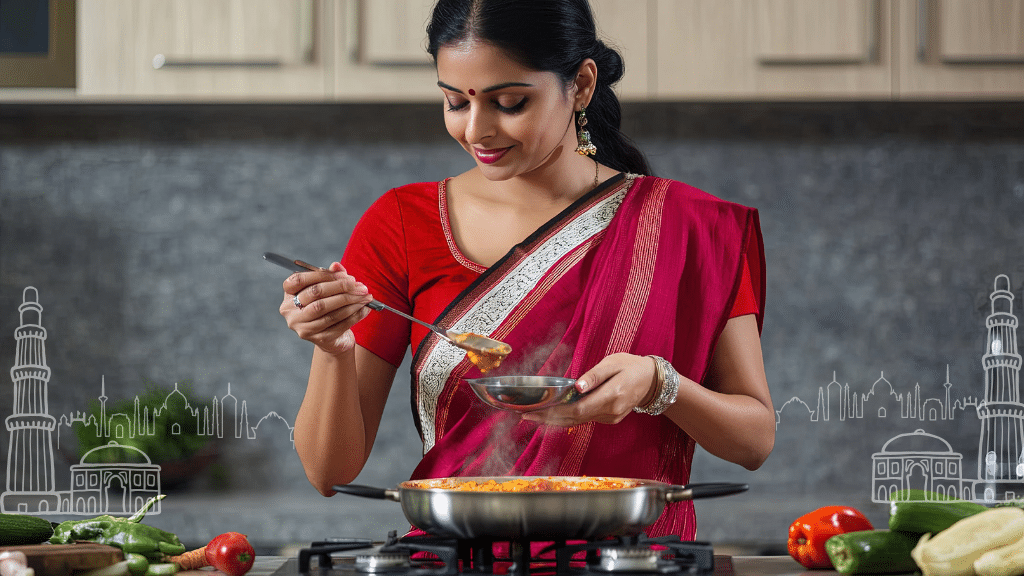
The Challenge of Making Indian Food Healthy
Indian food is loved worldwide for its rich flavors, aromatic spices, and comforting textures. But when it comes to health, opinions vary. While traditional Indian meals are nutrient-dense, modern adaptations—excess oil, deep-frying, and refined carbs—can lead to health concerns.
The good news? You don’t have to give up Indian food to eat healthily! By making small tweaks in cooking methods and ingredient choices, you can enjoy all the deliciousness while reducing calories, boosting nutrition, and improving digestion.
Let’s explore science-backed cooking tips to make Indian food healthier without compromising on taste.
In This Article
1. Choose the Right Cooking Oils & Use Less of Them
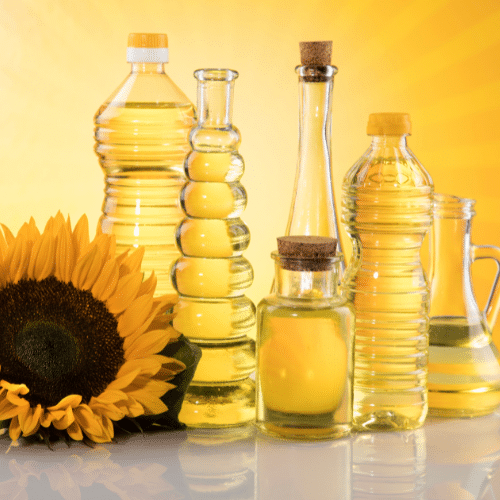
Oil is essential in Indian cooking, but excessive use can turn even a healthy dish into a calorie-dense meal. Instead of deep-frying, try methods like roasting, baking, or air-frying, which deliver the same crispiness with far less oil. Mustard oil, olive oil, and coconut oil are some of the healthiest choices, each offering unique benefits.
For example, mustard oil is widely used in North Indian cuisine and is rich in omega-3 fatty acids, while coconut oil, a staple in South Indian cooking, has medium-chain triglycerides that support metabolism. Switching to healthier oils and using them sparingly allows you to enjoy your favorite dishes without unnecessary fat.
2. Swap Refined Ingredients for Whole Foods
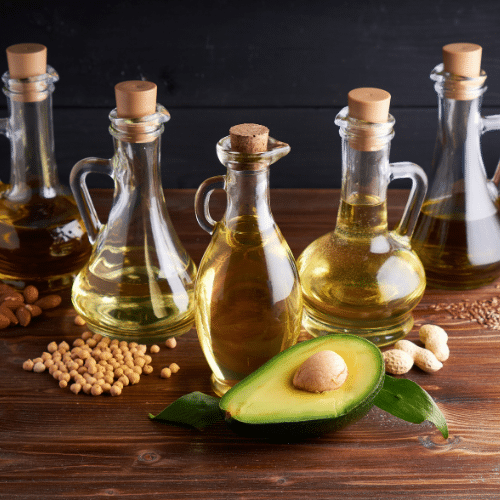
Many traditional Indian recipes rely on refined ingredients like white flour (maida) and polished rice, which can spike blood sugar and offer little nutrition. An easy way to make meals healthier is by substituting refined grains with whole foods.
Whole wheat flour makes for a great alternative to maida in rotis, parathas, and naans, offering more fiber and keeping you full longer. Similarly, brown rice, quinoa, or millets can replace white rice, adding essential nutrients without sacrificing taste. Even in desserts, using jaggery or honey instead of refined sugar brings natural sweetness with added minerals.
3. Add More Protein & Cut Down on Excess Carbs

A common issue with Indian meals is that they tend to be heavy on carbohydrates while being low in protein. Instead of loading your plate with rice or multiple rotis, balance it by increasing your protein intake.
Lentils and legumes like chana, rajma, and moong dal are excellent sources of plant-based protein. For vegetarians, paneer, tofu, Greek yogurt, and soya chunks offer additional protein without excessive fat. If you eat meat, lean proteins like chicken and fish are great choices over red meat. A balanced meal with adequate protein helps with muscle maintenance and keeps you feeling satisfied longer.
4. Make Vegetables the Star of Your Plate
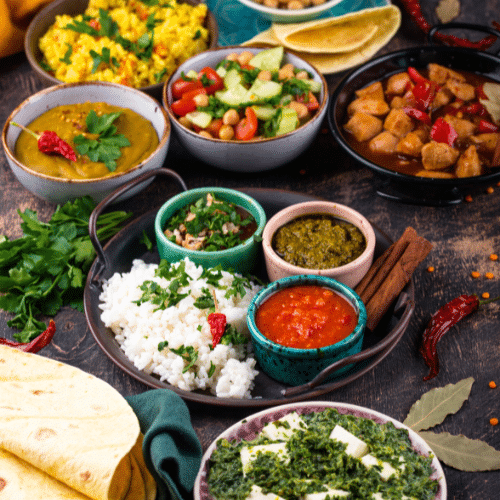
Indian cuisine offers an abundance of vegetable-based dishes, but they’re often relegated to the side while rice and bread take center stage. By reversing this pattern, you can boost your fiber intake and pack your meals with vitamins and minerals.
Adding finely chopped vegetables to dals, curries, and parathas is an easy way to increase veggie consumption. Swapping half your rice portion with cauliflower rice or making a sabzi-rich thali with different vegetable preparations ensures you get the maximum benefit of plant-based nutrition.
5. Opt for Low-Fat Dairy & Smarter Dairy Alternatives
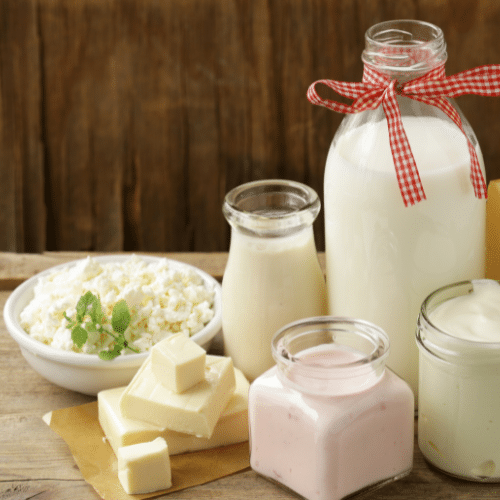
Dairy is an integral part of Indian cuisine, from creamy curries to refreshing lassis. However, full-fat dairy can add unnecessary calories and saturated fats. Instead, consider using Greek yogurt instead of cream for gravies or choosing skim milk over full-fat milk for your daily chai.
For those looking to cut back on dairy, almond and coconut milk make excellent substitutes, especially in South Indian dishes. Paneer, while a good source of protein, should be eaten in moderation, and tofu can be a great alternative for a lower-fat, plant-based option.
6. Reduce Salt & Sugar Without Losing Flavor

Many store-bought spice blends, chutneys, and pickles contain hidden salt and sugar, which contribute to high blood pressure and insulin spikes. Instead of relying on packaged seasonings, opt for homemade spice mixes where you control the amount of salt.
To reduce sugar intake, replace refined sugar with natural alternatives like jaggery, dates, or honey. If you love desserts, try making kheer or halwa with reduced sugar and increased nuts or fruits for natural sweetness. A few adjustments can make a huge difference in overall health while keeping the essence of Indian flavors intact.
7. Use Healthier Cooking Methods
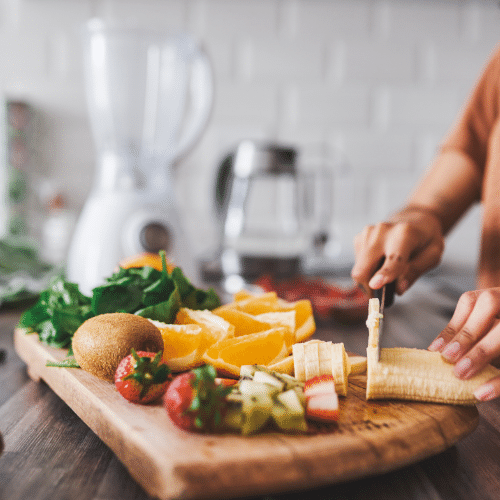
The way you cook your food affects its nutritional value. Steaming, grilling, roasting, and stir-frying are healthier alternatives to deep-frying. Idlis, for instance, are steamed, making them a great low-fat breakfast option, while tandoori dishes are grilled instead of being cooked in heavy gravies.
Switching to a non-stick pan or using less oil in tadkas (tempering) can significantly reduce fat intake without compromising taste. Slow cooking dals and curries enhances the absorption of spices and nutrients while reducing the need for excessive oil or butter.
8. Practice Portion Control & Mindful Eating

Even the healthiest foods can lead to weight gain if eaten in large quantities. Traditional Indian thalis offer a variety of dishes, which can sometimes lead to overeating. To prevent this, try using a smaller plate, serving yourself controlled portions, and listening to your body’s fullness signals.
A helpful approach is the 50-25-25 rule: fill half your plate with vegetables, a quarter with protein, and a quarter with whole grains. Eating slowly and savoring your food helps prevent overconsumption and promotes better digestion.
9. Meal Prep for Healthier Eating Habits
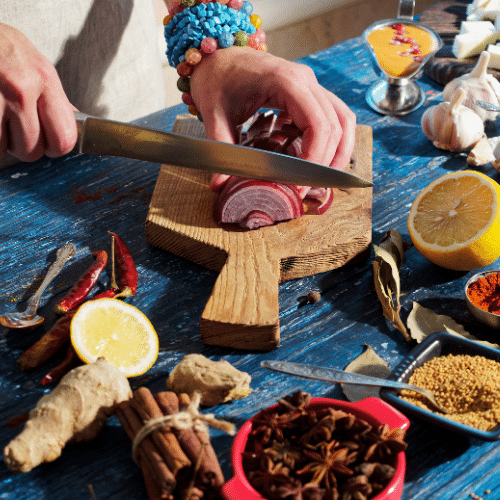
Cooking every day can be time-consuming, but meal prep can help you eat healthier without resorting to quick, unhealthy options. Preparing dough in advance, chopping vegetables for easy cooking, and batch-cooking dals and curries for the week can save time while ensuring you stick to healthier eating habits.
Keeping roasted makhana, homemade chaat ingredients, or dry fruit mixes as snacks prevents you from reaching for processed namkeens or biscuits. With a little planning, eating healthy Indian food becomes effortless.
Healthy Indian Food is About Balance, Not Deprivation
Eating healthy doesn’t mean sacrificing flavor or giving up your favorite dishes. It’s about making small, sustainable changes that enhance nutrition while keeping meals delicious. By choosing the right ingredients, cooking smarter, and practicing portion control, you can transform Indian food into a powerhouse of health and wellness.So go ahead—enjoy your dal, relish that sabzi, and make room for a few indulgences now and then. After all, healthy eating is about balance, and Indian food has all the right elements to help you thrive!
If you’re interested in diving deeper into the world of healthy Indian food, check out our comprehensive guide on Healthy Indian Food. It covers everything from nutritious ingredients to balanced meal ideas, helping you make the most of India’s rich culinary heritage while staying healthy.
