


Wearing makeup daily doesn’t have to come at the cost of your skin’s health. With the right skincare routine, product choices, and hygiene habits, you can enjoy makeup while keeping your skin clear, hydrated, and protected.
Quick Answer
To protect skin while wearing makeup, follow a consistent routine: cleanse, moisturize, apply SPF 30+, use a breathable primer, choose non-comedogenic products, clean brushes weekly, and always double-cleanse at night to remove all residue.
Table of Contents
Why Skin Protection Matters When Wearing Makeup
Daily makeup use can clog pores, trigger breakouts, and accelerate premature aging if skin isn’t properly prepped and cleaned. A protective skincare routine acts as a barrier between your skin and cosmetic products, reducing irritation and long-term damage.
A solid prep routine is the foundation of healthy skin under makeup.
Step-by-Step Skin Prep
- Cleanse: Remove oil, sweat, and dirt using a gentle cleanser
- Moisturize: Use a moisturizer suited to your skin type
- Sun Protection: Apply broad-spectrum SPF 30+ daily
- Prime: Use a lightweight, non-comedogenic primer
Keeping layers light helps makeup sit better and prevents pore congestion.
Use Primer to Create a Protective Barrier
Primer isn’t just for smooth makeup—it protects your skin.
Benefits of Using Primer
- Prevents makeup from clogging pores
- Reduces direct contact between skin and foundation
- Improves makeup longevity
- Minimizes irritation and breakouts
Choose breathable, silicone-free or non-comedogenic formulas for daily use.

Daily SPF Is Non-Negotiable
Even if your foundation contains SPF, it’s not enough on its own.
Why SPF Matters
- Protects against UV damage and premature aging
- Reduces pigmentation and sunspots
- Helps maintain even skin tone
Always apply a separate broad-spectrum SPF 30+ before makeup.
Choose Makeup Products That Support Skin Health
Your makeup should work with your skin, not against it.
Ingredient Checklist
- Non-comedogenic
- Hypoallergenic
- Fragrance-free (especially for sensitive skin)
- Dermatologist-tested
Avoid heavy oils, alcohol-based formulas, and pore-clogging ingredients.

Product Recommendations by Skin Type
Oily Skin
- Oil-free, matte foundations
- Gel-based moisturizers
- Blotting papers instead of extra powder
Dry Skin
- Hydrating, serum-based foundations
- Cream blushes and concealers
- Dewy or hydrating setting sprays
Sensitive Skin
- Fragrance-free, hypoallergenic products
- Mineral foundations
- Minimal ingredient formulas
Common Makeup Mistakes That Damage Skin
Even with good products, small mistakes can undo your skincare efforts.
Mistakes to Avoid
- Skipping moisturizer before foundation
- Using expired makeup products
- Applying too much powder, which dehydrates skin
- Rubbing makeup aggressively during removal
- Using wipes alone instead of proper cleansing
Correcting these habits can significantly improve skin texture and clarity.
How Often Should You Replace Makeup Products?
Old makeup harbours bacteria and loses effectiveness over time.
General Replacement Guidelines
- Foundation & concealer: 12–18 months
- Mascara & liquid eyeliner: 3–6 months
- Lipsticks & glosses: 12 months
- Powders (blush, eyeshadow): 18–24 months
If a product smells different, separates, or irritates skin—discard it immediately.
Skin-Friendly Makeup for Daily Office or College Wear
Everyday makeup should prioritize comfort and breathability.
Best Practices for Daily Wear
- Use tinted moisturizers or BB creams instead of heavy foundation
- Spot-conceal instead of full-face coverage
- Choose cream products for a natural finish
- Avoid heavy contouring for long wear
Minimal makeup reduces pore stress and allows skin to breathe.
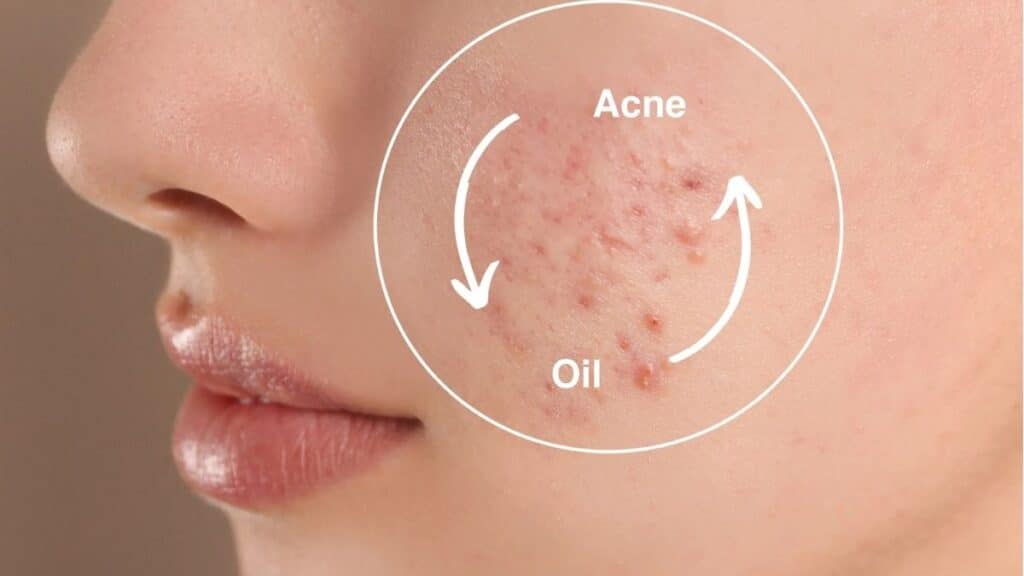
Can Wearing Makeup Cause Acne?
Makeup itself doesn’t cause acne—poor habits do.
Acne-Safe Makeup Tips
- Always choose non-comedogenic products
- Remove makeup immediately after workouts
- Avoid layering too many base products
- Keep phone screens and hands clean
Consistent cleansing and product awareness prevent most makeup-related breakouts.
Nighttime Skincare After Wearing Makeup
Your skin repairs itself while you sleep—support that process.
Post-Makeup Night Routine
- Double cleanse
- Apply soothing toner or essence
- Use treatment serums (niacinamide, hyaluronic acid)
- Seal with a nourishing night cream
This routine helps reverse daily environmental and makeup-related stress.
Makeup Hygiene: A Step You Shouldn’t Skip
Dirty tools can cause acne, infections, and irritation.
Hygiene Best Practices
- Clean brushes and sponges weekly
- Avoid sharing makeup
- Replace old products regularly
- Wash hands before applying makeup
Clean tools mean healthier skin and smoother application.
Never Sleep in Makeup: Double Cleanse Every Night
Sleeping in makeup traps dirt and bacteria, leading to breakouts and dull skin.
Double-Cleansing Method
- Oil-based cleanser to dissolve makeup and SPF
- Water-based cleanser to remove residue and impurities
Follow with a moisturizer to restore hydration overnight.
Extra Tips to Keep Skin Healthy Under Makeup
- Apply skincare and makeup in thin layers
- Use hydrating setting sprays to prevent cakiness
- Give your skin makeup-free days when possible
- Stay hydrated and maintain a balanced diet
Healthy skin always starts beyond skincare products.
Protecting your skin while wearing makeup daily is all about balance. With proper cleansing, SPF, smart product choices, good hygiene, and nightly makeup removal, you can enjoy flawless makeup without compromising your skin’s health.
Does makeup damage skin if worn daily?
No, makeup doesn’t damage skin if you follow proper cleansing, hydration, SPF use, and hygiene practices.
Is primer necessary for skin protection?
Yes. A primer creates a barrier between skin and makeup, reducing clogged pores and irritation.
Can I skip sunscreen if my foundation has SPF?
Can I skip sunscreen if my foundation has SPF?
