


When the Maghrib azaan echoes and it is finally time to break your fast, few things feel as satisfying as something fresh, cold, and bursting with natural sweetness. A Ramadan fruit salad — or fruit chaat, as it is lovingly known across South Asian communities — is exactly that. This is not the basic fruit salad you find at every buffet.
For the diaspora community celebrating Ramadan abroad, this recipe also brings a piece of home to the table — the familiar flavours of chaat masala and black salt that Pakistani and Indian households have been using to transform simple fruit into something genuinely crave-worthy.
Quick Recipe
This Ramadan fruit salad combines seasonal fruits like apples, bananas, mangoes, grapes, and oranges with chaat masala, lime juice, and honey for a sweet-and-tangy Iftar treat. Chill for 30 minutes before serving. Optional additions include chickpeas for texture or whipped cream for a richer dessert.
Table of Contents
Why Ramadan Fruit Salad Is the Ideal Iftar Dish
Breaking a fast with something heavy immediately can be hard on the stomach, which is why starting with fruit is a practice rooted in both tradition and practicality. Fresh fruit provides natural sugars that restore energy quickly, hydration from the high water content, and essential vitamins and fiber that support digestion after a full day of fasting.
But plain fruit, while nutritious, can feel monotonous by the second week of Ramadan. This is where the magic of Pakistani and Indian fruit chaat comes in. The addition of chaat masala — a tangy spice blend typically containing dried mango powder, cumin, coriander, black salt, and chili — transforms the flavour profile completely. What was sweet becomes sweet-and-tangy. What was simple becomes complex and interesting.
The lemon or lime juice adds brightness and helps prevent the fruit from browning, which is particularly important if you are preparing the salad a few hours ahead of Iftar. A touch of honey or sugar balances the tartness without making the dish overly sweet. And fresh mint leaves, scattered on top just before serving, add a cooling, aromatic finish that makes every bite feel refreshing.
QUICK RECIPE OVERVIEW
| Recipe Name | Ramadan Fruit Salad (Refreshing Fruit Chaat) |
| Category | Iftar Dessert / Refreshing Side Dish |
| Cuisine | Pakistani / Indo-Pakistani / South Asian |
| Prep Time | 15 minutes |
| Chill Time | 30 minutes (optional but recommended) |
| Total Time | 45 minutes |
| Servings | 6–8 servings |
| Difficulty | Very Easy |
| Dietary | Vegetarian, Gluten-Free, Vegan (without cream), Halal |
| Key Ingredients | Seasonal fruits, chaat masala, lemon juice, honey, fresh mint |
| Best For | Iftar, Suhoor, Ramadan gatherings, potlucks, breaking fast, hydrating after fasting |
Ingredients for Classic Ramadan Fruit Salad (Fruit Chaat)
The beauty of this recipe is its simplicity. You need fresh fruit, a few pantry staples, and about 15 minutes of chopping. Here is everything required for the classic version:
Fresh Fruits:
- 2 medium apples (any variety — Gala, Fuji, or Granny Smith all work)
- 2 ripe bananas
- 2 ripe mangoes (when in season — substitute with additional oranges or pineapple if unavailable)
- 1 cup seedless grapes (green, red, or a mix)
- 2 oranges or mandarins (peeled and segmented)
Flavour and Seasoning:
- 1 teaspoon chaat masala (available at Indian/Pakistani grocery stores or online)
- 1 tablespoon fresh lime or lemon juice
- 1 teaspoon honey or granulated sugar (adjust to taste)
- Fresh mint leaves for garnish
How to Make Ramadan Fruit Salad — Step by Step
The method is straightforward, but a few small techniques make a real difference in the final result.
Step 1: Prepare the Fruits
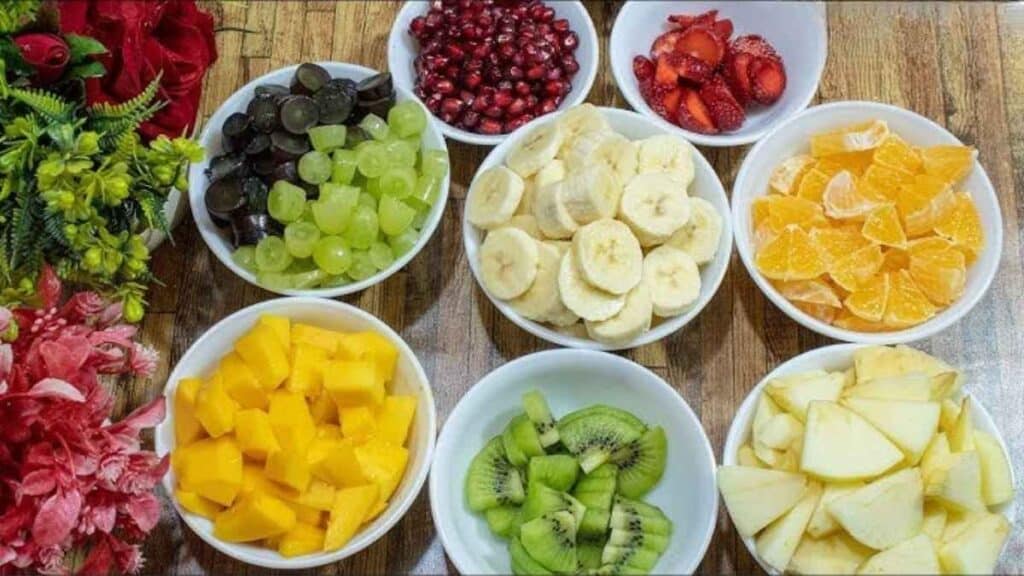
Wash all the fruits thoroughly under cold running water. For apples, you can leave the peel on for extra fiber and colour contrast, or peel them if you prefer a softer texture. Core the apples and chop into bite-sized cubes — aim for pieces that are roughly the same size so the salad looks neat and every spoonful has a mix of fruits.
Step 2: Prevent Browning
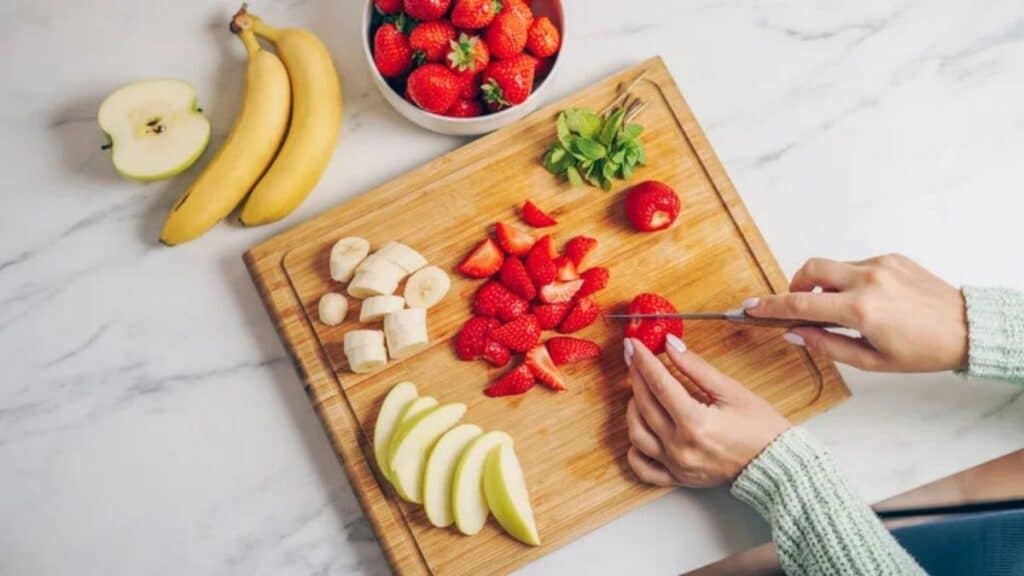
In a large mixing bowl, immediately toss the chopped apples and sliced bananas with the lime or lemon juice. The citric acid prevents oxidation, which is what causes fruit to turn brown. This step is particularly important if you are making the salad a few hours ahead of Iftar and want it to still look fresh and vibrant when served.
Step 3: Add the Chaat Masala and Sweetener
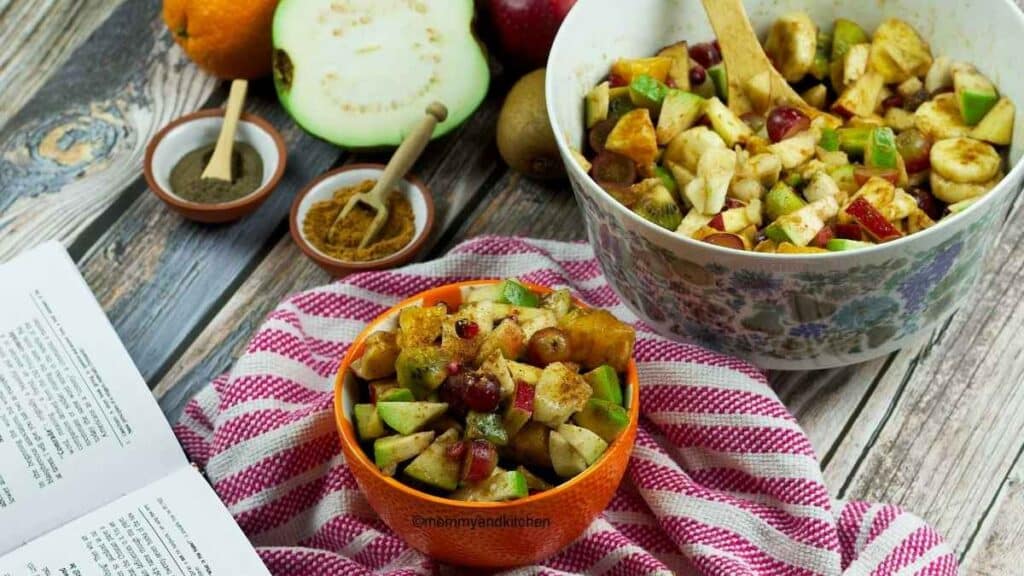
Sprinkle the chaat masala evenly over the fruit. Start with one teaspoon — you can always add more, but it is hard to fix if you add too much initially. The chaat masala should coat the fruit lightly without clumping. Toss the salad gently with a large spoon or clean hands to distribute the spice evenly.
Step 4: Chill Before Serving
Cover the bowl with cling film or transfer the fruit salad to an airtight container and refrigerate for at least 30 minutes before serving. Chilling allows the flavours to meld and makes the salad even more refreshing when you break your fast.
Step 5: Garnish and Serve

Just before serving, give the salad a gentle toss to redistribute any juices that have settled at the bottom of the bowl. Transfer to a serving dish and scatter fresh mint leaves on top. The mint adds a cooling, aromatic finish that complements the tangy chaat masala beautifully.
Popular Variations: Pakistani-Style Chaat and Creamy Fruit Salad
While the classic version above is delicious on its own, there are two popular variations that are staples at Ramadan gatherings across Pakistani and Indian households.
Pakistani-Style Fruit Chaat With Chickpeas
This version adds cooked chickpeas (chana) to the fruit salad, transforming it from a side dish into something more substantial that can almost serve as a light meal on its own.
To make it, simply fold in half a cup of cooked, cooled chickpeas along with the fruit. The chickpeas add texture, protein, and a savory element that balances the sweetness of the fruit. You can use canned chickpeas (drained and rinsed) or cook dried chickpeas from scratch. Either way, make sure they are completely cooled before adding them to the salad — warm chickpeas will cause the fruit to soften and release too much juice.
This version often includes additional spices as well. Some families add a pinch of roasted cumin powder or a tiny dash of red chili powder for heat. The chickpea version is particularly popular in Pakistani households and is sometimes served as a chaat at Iftar rather than as a dessert.
Creamy Ramadan Fruit Salad
For a richer, dessert-style fruit salad, add chilled heavy whipping cream or thick Greek yogurt just before serving. The cream softens the tangy chaat masala slightly and creates a luscious, indulgent texture that feels more like dessert than salad.
To make it, prepare the fruit salad as directed in the classic version, but skip the chilling step. Just before serving, whip half a cup of cold heavy cream until soft peaks form — it should be thick but still pourable. Fold the whipped cream gently into the fruit salad, being careful not to deflate the cream or bruise the fruit.
CHECK MORE ON:Creamy Mushroom Risotto Recipe: Quality Date Night Dinner
Key Tips for the Best Ramadan Fruit Salad
Use seasonal fruits for the best flavour and price. In the spring and summer months when Ramadan often falls, mangoes, berries, melons, and stone fruits are at their peak. In cooler months, stick to apples, oranges, bananas, grapes, and pomegranates. Seasonal fruit tastes better and costs less.
Prevent browning by tossing fruit in citrus juice immediately after cutting. This is especially important for apples, bananas, and pears, which oxidize quickly when exposed to air. Even a thin coating of lemon or lime juice makes a visible difference in how the salad looks after an hour or two.
Balance the flavours — sweet, tangy, and savory should all be present. The chaat masala provides the tangy and savory notes, the fruit provides natural sweetness, and the lemon juice adds brightness. If the salad tastes flat, it usually means it needs more chaat masala or lemon juice.
Chill the salad for maximum refreshment. A cold fruit salad feels infinitely more refreshing after a long day of fasting than one served at room temperature. If you are short on refrigerator space, chill the serving bowl in the freezer for 10 minutes before transferring the fruit salad into it — the cold bowl will help keep the salad chilled even if it sits out on the Iftar table for a while.
Add mix-ins for extra nutrition and texture. Soaked chia seeds add fiber and omega-3 fatty acids. Pomegranate seeds add jewel-like pops of colour and tartness. Cooked chickpeas add protein and substance. Chopped nuts like almonds or pistachios add crunch (add these just before serving so they do not get soggy).
For the creamy version, add cream or yogurt just before serving. If you add it too early, the acidity from the fruit and lemon juice will cause the cream to curdle or the yogurt to become watery. Mix it in within 10 to 15 minutes of serving for the best texture.
Nutritional Benefits: Why Fruit Salad Is Ideal for Iftar
Beyond tasting delicious, this Ramadan fruit salad offers genuine nutritional benefits that make it particularly well-suited for breaking a fast.
Hydration is one of the most important considerations after fasting all day without water. Fruits like oranges, grapes, and melons have high water content that helps rehydrate the body quickly. The citrus juice in the dressing adds additional fluids.
Natural sugars from the fruit provide an immediate energy boost without the blood sugar crash that comes from processed sweets. The fiber in the fruit slows the absorption of sugar, preventing the spike-and-crash cycle.
Vitamins and minerals abound in a well-made fruit salad. Oranges and citrus provide vitamin C. Bananas offer potassium, which is important for muscle function and preventing cramps after fasting. Apples and grapes provide antioxidants. Mangoes deliver vitamin A for eye health.
Serving Suggestions and Iftar Pairing Ideas
This Ramadan fruit salad is versatile enough to serve in multiple ways throughout the meal.
As an Iftar starter: Serve the fruit salad immediately after breaking the fast with dates and water. The freshness and acidity wake up the palate and prepare the stomach for the meal ahead.
As a side dish: Place the fruit salad on the Iftar table alongside samosas, pakoras, and other fried snacks. The cool, tangy fruit provides a refreshing contrast to rich, fried foods.
As a dessert: Serve the creamy version of the fruit salad after the main meal as a light, refreshing dessert alternative to heavy sweets like gulab jamun or kheer.
Make-Ahead Tips for Busy Ramadan Days
Prep the fruits up to 4 hours ahead: Chop all the fruits, toss with lemon juice, and store in an airtight container in the refrigerator. Add the chaat masala and honey just before serving to prevent the fruit from releasing too much juice and becoming watery.
Make the salad completely up to 2 hours ahead: If you need to make the entire salad in advance, go ahead and add the chaat masala and sweetener, then refrigerate. The flavour will actually improve as it sits. Just give it a gentle toss before serving and add fresh mint at the last minute.
For the creamy version, add cream at the last possible moment: Prepare the fruit salad completely, refrigerate, and whip the cream separately. Fold the cream in within 10 to 15 minutes of serving to prevent curdling.
Batch prep for the week: You can wash, peel, and chop fruits at the beginning of Ramadan and store them in individual portions in airtight containers. Each day, simply toss a portion with lemon juice, chaat masala, and honey, and your Iftar side dish is ready in under 5 minutes.
Can I make Ramadan fruit salad the night before?
You can prep the fruits and store them separately the night before, but it is best to add the chaat masala, lemon juice, and sweetener within 2 to 4 hours of serving.
What fruits work best for fruit chaat?
Apples, bananas, mangoes, grapes, oranges, and pomegranates are traditional choices
Can I make this fruit salad without chaat masala?
You can, but it will not have the distinctive tangy, savory flavour that makes fruit chaat special.
