


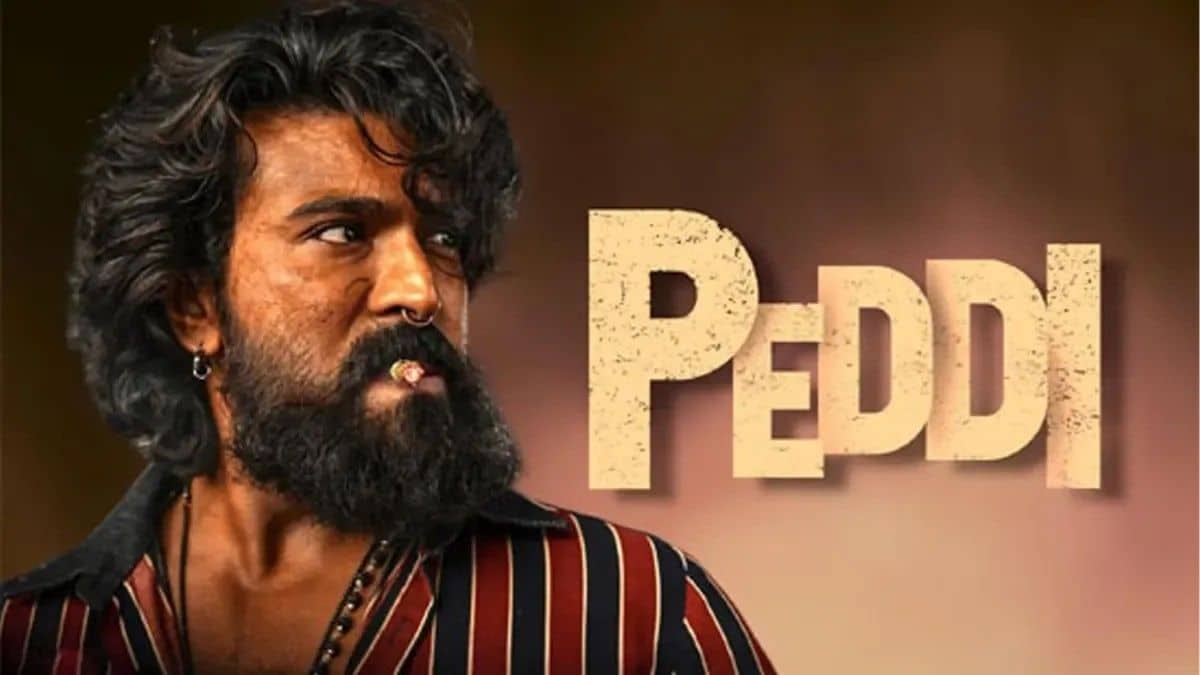
Ram Charan’s Peddi is the kind of film Telugu cinema rarely attempts — a sports drama that dares to look beyond the scoreboard and into the soul of a man, a community and a nation’s conscience. Directed by Buchi Babu Sana, who previously helmed the acclaimed Uppena, this ambitious multi-sport saga arrives with immense expectations and largely delivers on them, anchored by a jaw-dropping central performance and a story that refuses to settle for easy victories.
Peddi is a richly layered sports drama that uses cricket, wrestling and the Paralympics as vehicles for a deeper conversation about caste, dignity and the invisible people that society forgets. The film is emotionally potent, visually spectacular and socially relevant, even if it occasionally lingers longer than it should and leaves some supporting characters underserved. Minor narrative unevenness aside, Peddi is a powerful, must-watch cinematic experience that resonates long after the credits roll.
Cast & Crew
| Role | Name |
|---|---|
| Director | Buchi Babu Sana |
| Lead Actor | Ram Charan |
| Female Lead | Janhvi Kapoor |
| Supporting Cast | Jagapathi Babu, Shiv Rajkumar, Divyenndu, Boman Irani |
| Cinematography | R. Rathnavelu |
| Language | Telugu, Tamil, Malayalam, Hindi, Kannada |
| Genre | Drama, Action, Sports |
| Runtime | 3 hrs 9 mins |
| Release Date | 4 June 2026 |
| Certificate | UA |
Plot Summary
Peddi (Ram Charan) is a gifted cricketer from the margins of society whose talent is consistently overshadowed by caste discrimination. Treated as disposable despite his undeniable skill, he pivots to wrestling in a determined bid to prove himself on his own terms — only to face a new obstacle when doctors warn him against competing due to a serious leg injury. But Peddi’s fight is never just about sport. He becomes the unlikely champion of Konda Kindha Ooru, a forgotten settlement of marginalized people who live without identity cards, government records or any form of social recognition. The community’s collective dream of having a railway station — a symbol of visibility and belonging — becomes Peddi’s defining mission. Through heartbreak, injury and systemic injustice, he channels personal ambition into a powerful struggle for his people’s place in the world.
Also Read: Parimala And Co (2026) Review: Pandiraj’s Warm Whodunit Is a Comfortable, Crowd-Pleasing Ride
Performances
Ram Charan as Peddi
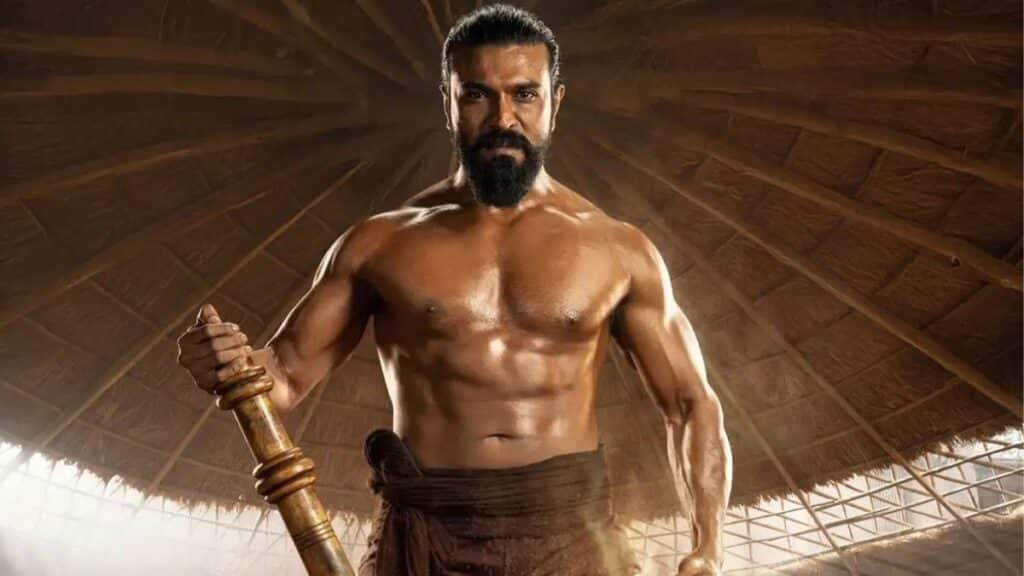
Ram Charan is simply extraordinary in this film. He undergoes a remarkable physical transformation to inhabit Peddi — a man built by hardship, shaped by rejection and driven by an unshakeable sense of justice. Whether he is batting against prejudice on the cricket field, grappling opponents in the wrestling pit or standing up as the voice of his voiceless community, Charan brings complete emotional truth to every scene. This is a performance of rare depth and maturity, commanding and vulnerable in equal measure. It stands among the finest performances in recent Telugu cinema.
Janhvi Kapoor
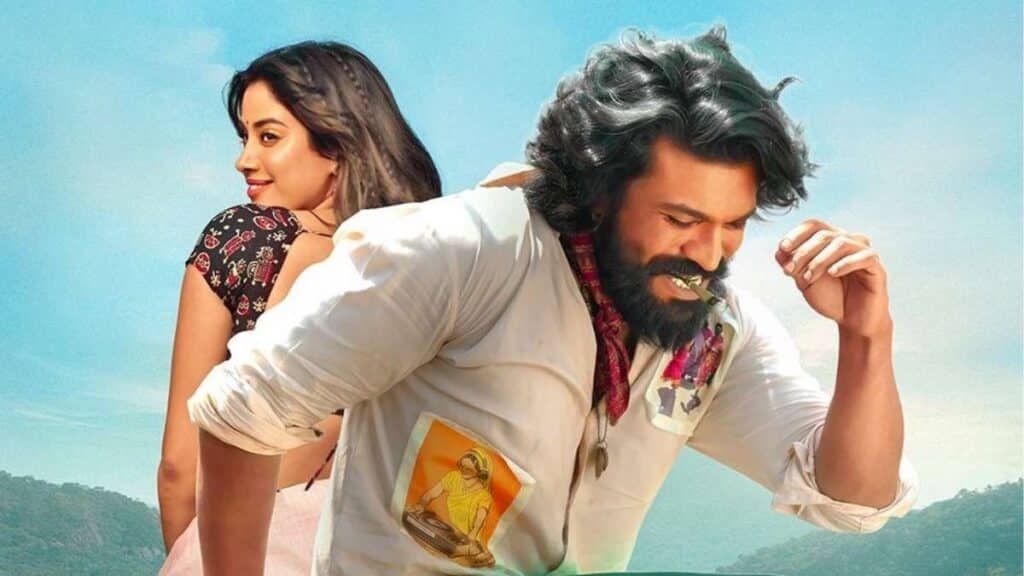
Janhvi Kapoor brings warmth and sincerity to her role, and her screen presence adds a pleasing lightness to the film’s heavier emotional terrain. She shares a natural chemistry with Charan and handles her dramatic scenes with confidence, demonstrating genuine growth as a performer in the Telugu industry.
Jagapathi Babu as Appala Soori
Jagapathi Babu is deeply moving as Appala Soori, the soul of Konda Kindha Ooru and the moral compass of the film. His unwavering dedication to the community’s cause gives the story its emotional backbone, and his pivotal scene serves as the emotional turning point of the film. It is a beautifully restrained and powerful turn from one of Telugu cinema’s most dependable performers.
Shiv Rajkumar as Gour Naidu
Shiv Rajkumar brings tremendous warmth and conviction to Gour Naidu, Peddi’s mentor figure. He commands the screen with an effortless authority and his scenes with Ram Charan are among the most memorable in the film. It is a performance full of heart, and Shiv Rajkumar ensures his character leaves a lasting impression.
Divyenndu
Divyenndu is electric whenever he appears on screen, lighting up scenes with his characteristic energy and intensity. He brings a distinct charisma to his role and proves once again that he elevates every project he is part of.
Boman Irani
Boman Irani is a delight in his role, bringing his trademark blend of dignity and nuance to every scene. His screen time leaves you wanting more, and he makes every moment count with his seasoned craft and effortless screen presence.
Technical Analysis
Direction — Buchi Babu Sana
Buchi Babu Sana exhibits genuine filmmaking ambition here. Weaving together caste commentary, multi-sport drama and community activism within a single narrative is no small feat, and for the most part he pulls it off with conviction. His ability to ground the spectacle in raw human emotion — a hallmark since Uppena — is very much on display, and several sequences carry real emotional heft.
Cinematography — R. Rathnavelu
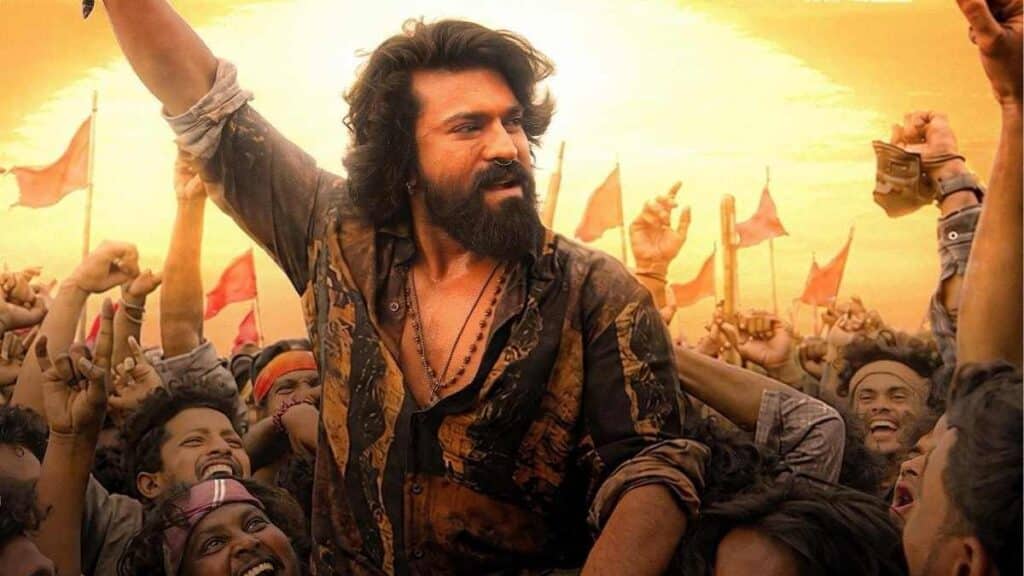
R. Rathnavelu’s work is simply outstanding. The veteran cinematographer elevates every frame — from the dust-blown poverty of Konda Kindha Ooru to the visceral energy of cricket and wrestling arenas. His camera captures not just the action but the inner life of its subjects, lending the film an epic sweep without sacrificing intimacy. Several compositions are stunning enough to linger in the mind well after the film ends.
Music & Background Score
The background score effectively amplifies the film’s emotional registers, rising to meet its moments of triumph and tragedy. The music underlines the story’s social themes without overpowering the narrative, and the songs are rooted enough in the drama to feel earned rather than interpolated.
Also Read: Hai Jawani Toh Ishq Hona Hai Review: Varun Dhawan’s Most Entertaining Comedy in Years
Editing
At 3 hours and 9 minutes, the film is a long sit and some trimming in the second half would have sharpened its impact. Certain sequences extend beyond their emotional necessity, and a tighter edit could have made the pacing feel more propulsive throughout.
Strengths & Weaknesses
Strengths
- Ram Charan delivers a career-defining, deeply committed central performance
- R. Rathnavelu’s cinematography is world-class — visually among the best in recent Telugu cinema
- Emotionally resonant social commentary on caste, identity and marginalization
- Jagapathi Babu and Shiv Rajkumar contribute standout supporting performances
- The cricket-to-wrestling transition is handled with dramatic intelligence and physical authenticity
- The community railway station arc gives the film a unique emotional anchor beyond sports drama conventions
Weaknesses
- Runtime of over three hours with some stretches that could be tightened
- Janhvi Kapoor’s character is not given enough narrative weight relative to the story’s scale
- Supporting characters like Divyenndu and Boman Irani deserved fuller arcs
- A non-consensual kiss scene feels tonally inconsistent with the film’s progressive social themes
- Occasional reliance on melodrama, particularly around the Paralympics arc
Final Verdict: ⭐⭐⭐⭐ 4.5/5
Peddi is a bold, emotionally charged sports drama that transcends the genre to become something more meaningful — a film about the unseen, the unheard and the unrecorded. Buchi Babu Sana’s direction is ambitious and largely inspired, R. Rathnavelu’s visuals are breathtaking, and Ram Charan reminds us why he is in a league of his own. Some pacing issues and underdeveloped supporting tracks hold it back from perfection, but Peddi is still one of 2026’s most significant Telugu releases and an experience that deserves to be seen on the biggest screen possible.
What is the age certificate for Peddi?
Peddi is certified UA, meaning it is suitable for audiences of all ages with parental guidance recommended for younger children.
Is Peddi suitable for children?
Yes, Peddi is broadly family-friendly. Parents should be aware it deals with themes of caste discrimination and social inequality, and contains some intense sports action sequences.
Is Peddi based on a true story?
Peddi is a fictional narrative, though its themes of caste-based exclusion and the struggle for identity and recognition are deeply rooted in real social realities faced by marginalized communities across India.
