


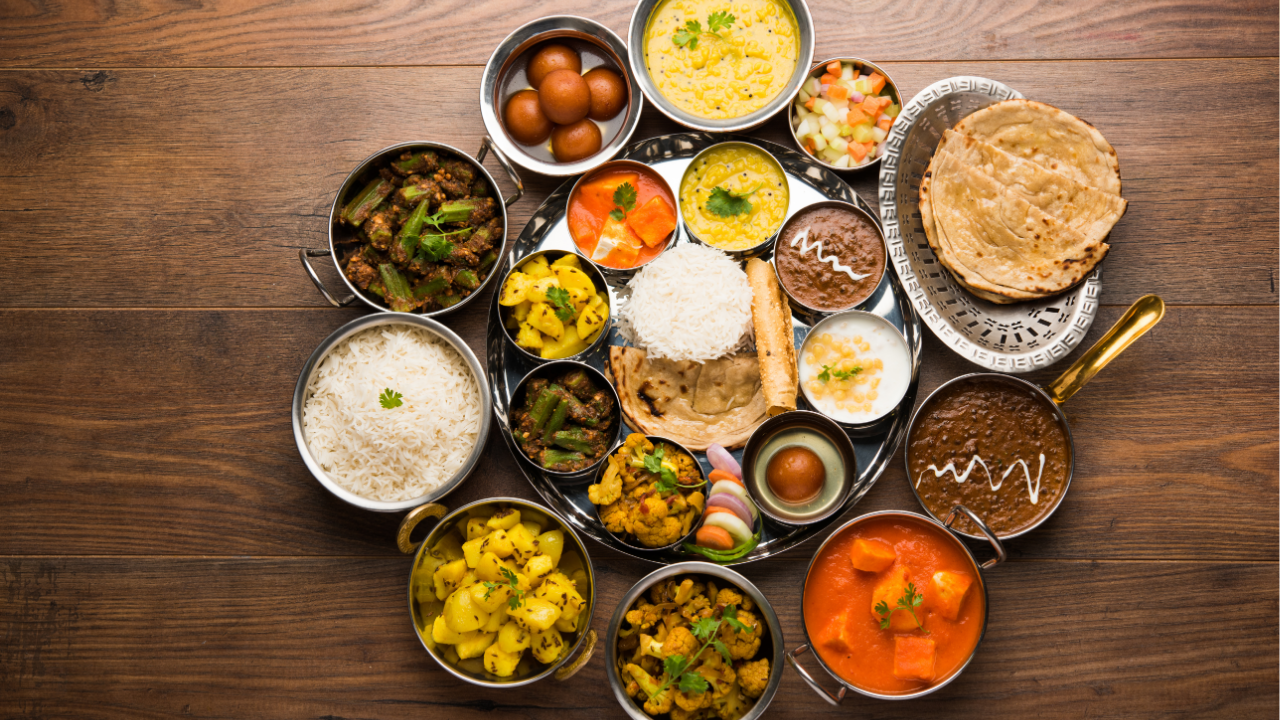
When it comes to Indian cuisine, nothing captures its essence more gracefully than a Thali. The term “Thalis Indian Food” refers to an iconic meal presentation where a variety of dishes—spanning flavors, textures, and nutrients—are served together on a single plate. It’s not just about eating; it’s about celebrating India’s culinary richness in a holistic, balanced, and often ceremonial format.
From the fragrant dals of the North to the tangy rasams of the South, every thali is a curated journey through regional traditions, health wisdom, and mindful eating.
In this Article
What Makes a Thali So Special?
Unlike typical meals that focus on a single dish, Thalis Indian food is designed to offer balance—culinary, nutritional, and sensory. A standard thali is built on five major pillars:
- Staples: Rice, rotis, or millet-based flatbreads form the base.
- Proteins: Dals (lentils), legumes, and paneer or meat dishes.
- Vegetables: Seasonal sabzis loaded with vitamins and minerals.
- Accompaniments: Pickles, chutneys, raita, papad, and salads that complement the main items.
- Desserts: A small, sweet finish to the meal with items like kheer or halwa.
Every item on the plate serves a purpose—from aiding digestion to enhancing taste or offering essential nutrients.
Check Out: Low Carb Indian Food Made Easy for Busy Professionals: Quick, Wholesome Meals Under 30 Minutes
A Look at Regional Diversity in Thalis Indian Food
India’s diversity is best reflected in its thalis. Each region brings its own spin, shaped by climate, local produce, and cultural influences.
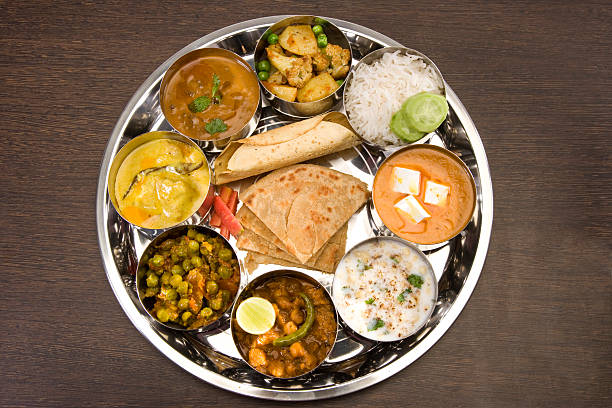
North Indian Thali
- Features wheat-based breads like chapati and paratha.
- Includes dals such as rajma or chana dal.
- Common sabzis: aloo gobi, palak paneer.
- Accompaniments include pickles, boondi raita, and a piece of jaggery.

South Indian Thali
- Centered around rice, sambhar, rasam, and curd.
- Dry and wet vegetable dishes like poriyal and kootu.
- Coconut-based chutneys and appalam (crisps).
- Desserts often include payasam.

Western Indian Thali
- From Gujarat to Rajasthan and Maharashtra, this thali is a feast of contrasts—sweet, salty, and spicy all in one.
- Roti, bhakri, or thepla with kadhi, usal, or baingan bharta.
- Sweet dishes like shrikhand or puran poli.
Eastern Indian Thali

- Steamed rice with mustard-flavored fish curry or dal.
- Stir-fried greens and seasonal veggies.
- Delicacies like sandesh or rasgulla to end the meal.
Thalis Indian Food: Nutrition on a Plate
Beyond flavors, thalis excel in nutritional completeness. A typical homemade thali can range between 700–1,200 calories, depending on the preparation method and quantity served.
Health Benefits of a Thali
- Portion Control: Small servings prevent overeating.
- Variety: Ensures intake of different nutrients in one sitting.
- Digestive Aids: Fermented foods like yogurt and pickles promote gut health.
- Mindful Eating: The structure encourages slower, more conscious eating.
Want a healthier version? Swap white rice with brown rice or millet, minimize fried accompaniments, and include more raw salads or sprouts.
Check Out: What Is Indian Food in the USA Like? Authenticity vs. Cultural Adaptation
The Traditional Layout: There’s a Logic to the Plate
A traditional thali isn’t thrown together randomly. Every item is placed mindfully:
- Center: Staples like rice or roti.
- Right Side: Main curries and gravies.
- Left Side: Chutneys, yogurt, and salads.
- Top or bottom: Pickles and sweets.
This thoughtful placement ensures harmony of tastes—sweet, sour, salty, bitter, pungent, and astringent—aligned with Ayurvedic principles.
A Glimpse Into History: From Leaves to Luxury
Ancient Times
Thalis were served on banana leaves or clay plates, emphasizing sustainability and simplicity. These materials even imparted subtle health benefits through natural antioxidants and mineral content.
Royal Eras
Opulence took over with silver, gold, and copper plates used in royal kitchens. Silver was preferred for its antimicrobial properties, while copper was believed to support digestion.
Modern Day
While stainless steel became the norm in most households for its practicality, many restaurants now return to traditional aesthetics using brass or copper to elevate the dining experience.
Festival Thali vs Daily Thali: What’s the Difference?
- Daily Thali: Simple, nutritious, and quick—ideal for everyday consumption.
- Festival Thali: Rich, elaborate spreads with sweets, fried delicacies, and rare regional items.
For instance, during Onam, Kerala’s Sadya thali features over 20 items, all vegetarian, served on a banana leaf.
Check Out: What Is Indian Food Without Curry? Busting Myths with Authentic Flavors
Why Thalis Indian Food Stands the Test of Time
Despite evolving dining trends, the thali continues to be a comforting constant—in homes, weddings, temples, and restaurants. Its affordability, customizability, and nutritional depth make it ideal for all age groups and lifestyles.
Even in urban settings or abroad, thalis offer Indian diaspora a way to stay rooted in tradition while managing health and budget.
One Plate, Many Stories
Thalis Indian Food is more than just a sum of its parts—it’s a celebration of India’s rich food culture, a demonstration of balance, and a daily reminder of mindful nourishment.
So, whether you’re preparing it at home or ordering one from your favorite Indian restaurant, embrace the thali. It’s not just a meal—it’s an experience worth savoring.
