
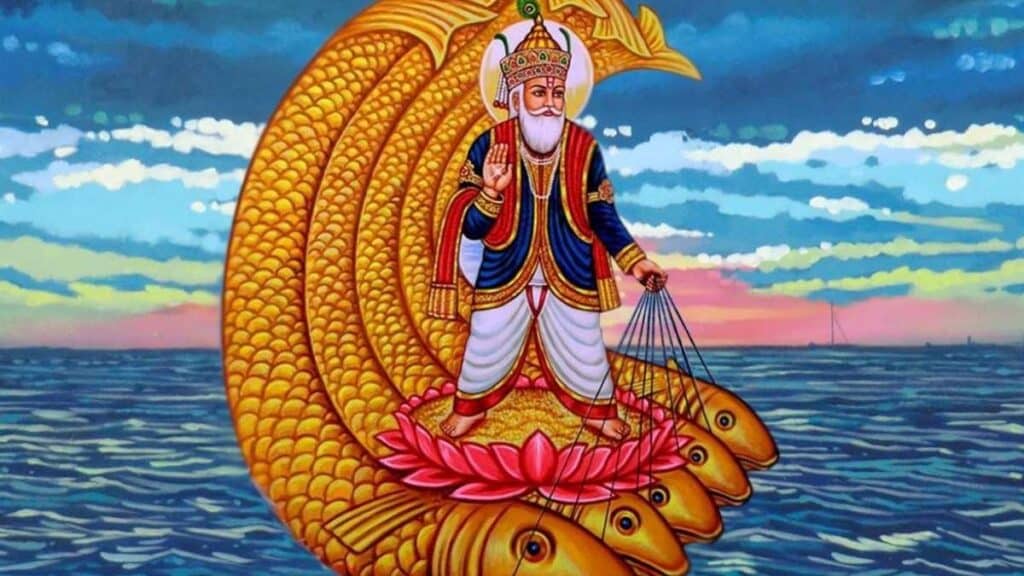
Cheti Chand is the vibrant Lunar Hindu New Year celebrated by Sindhi Hindus worldwide. Popularly known as the Sindhi New Year, this joyous Indian festival marks the arrival of spring, the harvest season, and most significantly, commemorates the birth of Uderolal—revered as Jhulelal, the patron saint and Ishta Devta (chosen deity) of the Sindhi community.
Observed on the second day of Chaitra Shukla Paksha, Cheti Chand symbolizes hope, renewal, and the triumph of faith over oppression. The festival celebrates the legendary deliverance of Sindhi Hindus from persecution through divine intervention, when Varuna Dev (the water god) manifested as Jhulelal to protect religious freedom and promote peaceful coexistence.
The name “Cheti Chand” translates to “Moon of Chaitra,” as the festival marks the first appearance of the new moon after the no-moon day in the Chaitra month. Rooted in 10th-century Sindhi history, Cheti Chand represents not just a new year, but the enduring spirit of a community that has preserved its cultural identity across generations and geographies.
Today, Cheti Chand is celebrated with water rituals, processions, devotional music, traditional feasts, and community gatherings across India and in diaspora communities spanning the USA, UK, Canada, UAE, Australia, and beyond.
When Is Cheti Chand Celebrated in 2026?
Cheti Chand is celebrated based on the Hindu lunar calendar, falling on the second day of Chaitra Shukla Paksha (waxing moon phase), which typically occurs in late March or early April.
Cheti Chand In India 2026 Dates
Cheti Chand falls on Friday, March 20, 2026
- Cheti Chand Muhurat: 06:32 PM to 07:58 PM
- Duration: 1 Hour 26 Minutes
- Pratipada Tithi Begins: 06:52 AM on March 19, 2026
- Pratipada Tithi Ends: 04:52 AM on March 20, 2026
Table of Contents
Cheti Chand In USA, Canada, Australia, New Zealand, UK, UAE, Singapore 2026 Dates
Cheti Chanda on Thursday, March 19, 2026
- Cheti Chanda Muhurat – 07:07 PM to 08:05 PM
- Duration – 00 Hours 57 Mins
Cheti Chanda on Thursday, March 19, 2026
- Cheti Chanda Muhurat – 07:29 PM to 08:30 PM
- Duration – 01 Hour 01 Min
Cheti Chanda on Saturday, March 21, 2026
- Cheti Chanda Muhurat – 07:14 PM to 08:08 PM
- Duration – 00 Hours 54 Mins
Cheti Chanda on Friday, March 20, 2026
- Cheti Chanda Muhurat – 06:13 PM to 08:29 PM
- Duration – 02 Hours 16 Mins
Cheti Chanda on Friday, March 20, 2026
- Cheti Chanda Muhurat – 06:30 PM to 07:57 PM
- Duration – 01 Hour 27 Mins
Cheti Chanda on Friday, March 20, 2026
- Cheti Chanda Muhurat – 07:15 PM to 08:14 PM
- Duration – 00 Hours 59 Mins
Why Cheti Chand Dates Change Every Year?
Cheti Chand is celebrated based on the Hindu lunar calendar, not the Gregorian calendar. It falls on the second day of Chaitra Shukla Paksha, when the new moon becomes visible after the no-moon day.
Why the date varies:
- Lunar months are shorter than solar months (approximately 29.5 days vs. 30-31 days)
- Cheti Chand’s date shifts each year in the Gregorian calendar
- Timing depends on moon position and local sunrise
- The festival typically falls in late March or early April
- It usually occurs one day after Ugadi and Gudi Padwa
The astronomical calculation ensures Cheti Chand aligns with the lunar cycle, maintaining its spiritual significance tied to the moon (“Chand” means moon in Sindhi/Hindi).
Cheti Chand Other Names & Regional Identities
Standard Names
Cheti Chand / Chetri Chandra — Primary name meaning “Moon of Chaitra” in Sindhi
Sindhi New Year — Common English designation
Jhulelal Jayanti — Alternative name emphasizing the birth of Jhulelal
Regional & Cultural Variants
Uderolal’s Birthday — Named after the birth name of Jhulelal
Cheti ro Chand — Sindhi variant
चेटी चंद (Hindi), چيتي چند (Sindhi/Urdu script)
Interfaith & Sufi Names
Khwaja Khizir — Name used by Sufi Muslim devotees of Jhulelal
Zindapir — “The Living Saint,” another Sufi Muslim designation
Dariyalal — Alternative name referencing the water deity
Diaspora / International Naming
Sindhi New Year’s Day — Used in Western countries
Cheti Chand Festival — General international designation
Festival of Jhulelal — Descriptive name in multicultural contexts
Connection to Related Festivals
Cheti Chand coincides with:
- Gudi Padwa (Maharashtra)
- Ugadi (Karnataka, Andhra Pradesh, Telangana)
- Navreh (Kashmiri Pandits)
- Hindu Samvat Nav Varsha (Hindu New Year in many regions)
The Origins, History, and Legends of Cheti Chand
Cheti Chand’s origins are deeply rooted in 10th-century Sindhi history, when the region of Sindh (present-day Pakistan) faced religious persecution. The festival commemorates a divine intervention that protected the Sindhi Hindu community and established principles of religious freedom and coexistence.
The Legend of Jhulelal
Around 1007 CE, during the rule of the Sumra dynasty in Sindh, a tyrannical ruler named Mirkshah began persecuting Sindhi Hindus, threatening them with forced conversion to Islam or death. In desperation, the Sindhi Hindu community gathered on the banks of the sacred River Indus and prayed continuously to Varuna Dev (the Hindu god of water) for forty days, seeking divine protection.
Their prayers were answered. Varuna Dev appeared before them and promised that a divine child would be born in the village of Nasarpur to save them from oppression. This miraculous child was named Uderolal, who later became known as Jhulelal (meaning “the one who swings in a cradle”).
Jhulelal manifested as both a divine warrior and a wise spiritual teacher. According to legend, he appeared mounted on a palla fish, emerging from the waters of the Indus River with divine radiance. He confronted Mirkshah with spiritual authority, preaching that Muslims and Hindus alike deserve religious freedom and should live together in peace and harmony.
Through his miraculous powers and profound wisdom, Jhulelal demonstrated that divine truth transcends religious boundaries. He became revered by both Sindhi Hindus (as an avatar of Varuna Dev) and Sufi Muslims (as Khwaja Khizir or Zindapir), embodying the syncretic spiritual traditions of Sindh.
The Sindhi community began celebrating the day of Jhulelal’s birth as Cheti Chand, marking their deliverance from persecution and the beginning of their new year with renewed hope and faith.
Historical Evolution
Ancient Roots: The tradition likely originated with the Daryapanthis (followers of the water deity), who venerated the Indus River as sacred and life-giving.
Pre-Partition Era: During British colonial rule, massive annual fairs (melas) were held at Uderolal and Zindapir near Hyderabad, Sindh, attracting thousands of devotees from both Hindu and Muslim communities. These gatherings featured religious processions, devotional music, and communal celebrations.
Post-1947 Partition: The 1947 Partition of India forced millions of Sindhi Hindus to migrate from Sindh to India, leaving behind their ancestral homeland. Cheti Chand became a powerful symbol of cultural identity and collective memory, helping displaced communities preserve their heritage.
Modern Diaspora: As Sindhi communities migrated globally for trade and business, they carried Cheti Chand traditions to every continent, making it a worldwide celebration of Sindhi culture.
Scriptural and Cultural Context
While Cheti Chand does not originate from ancient Vedic scriptures, it is deeply connected to Hindu traditions of worshipping Varuna (the water deity) and celebrating seasonal renewals aligned with the lunar calendar. The festival embodies principles found in Hindu philosophy: the triumph of dharma (righteousness), the power of bhakti (devotion), and the importance of satya (truth).
The legend of Jhulelal emphasizes that divine intervention protects those who maintain faith and righteousness, even in times of extreme adversity—a message that resonates deeply with a community that has faced displacement and cultural challenges.
Cheti Chand: Cultural and Spiritual Significance
Cheti Chand holds profound cultural and spiritual meaning for the Sindhi community, representing far more than a new year celebration.
Symbol of Religious Freedom
At its core, Cheti Chand commemorates the divine protection of religious liberty. The festival celebrates the right to practice one’s faith without persecution, making it a timeless symbol of tolerance, coexistence, and interfaith harmony.
Water as Sacred Life Force
Jhulelal’s emergence from the Indus River reinforces the sacredness of water as the source of life. For a community whose ancestral homeland was defined by the mighty Indus, water worship remains central to spiritual practice. The reverence for water also carries ecological significance, reminding devotees to respect and protect natural resources.
New Year and Renewal
As the Sindhi New Year, Cheti Chand symbolizes fresh beginnings, the shedding of past hardships, and the embrace of new opportunities. The festival’s timing at the arrival of spring aligns with nature’s renewal, representing growth, prosperity, and hope.
Cultural Identity and Diaspora Connection
For Sindhi communities displaced by Partition and scattered globally, Cheti Chand serves as an anchor to ancestral roots. The festival preserves the Sindhi language, traditional practices, music, and collective memory across generations. It transforms geographical separation into spiritual and cultural unity.
Unity in Diversity
The dual reverence for Jhulelal by both Hindus and Sufi Muslims exemplifies Sindh’s syncretic spiritual heritage. This interfaith dimension makes Cheti Chand unique among Hindu festivals, promoting the message that divine truth and human dignity transcend religious boundaries.
Triumph of Faith Over Adversity
The story of Jhulelal’s divine intervention teaches that unwavering faith and righteousness ultimately prevail over tyranny and injustice. This message resonates deeply with communities that have faced displacement, persecution, and cultural challenges throughout history.
Cheti Chand reminds Sindhis worldwide that their cultural identity is not tied to territory alone but to shared values, collective memory, and spiritual traditions that endure across time and geography.
Cheti Chand Prayers and Religious Observances
Cheti Chand observances blend devotional practices, water rituals, and community worship, creating a spiritually meaningful celebration that honors Jhulelal and seeks blessings for the year ahead.
Baharana Sahib: The Sacred Water Ritual
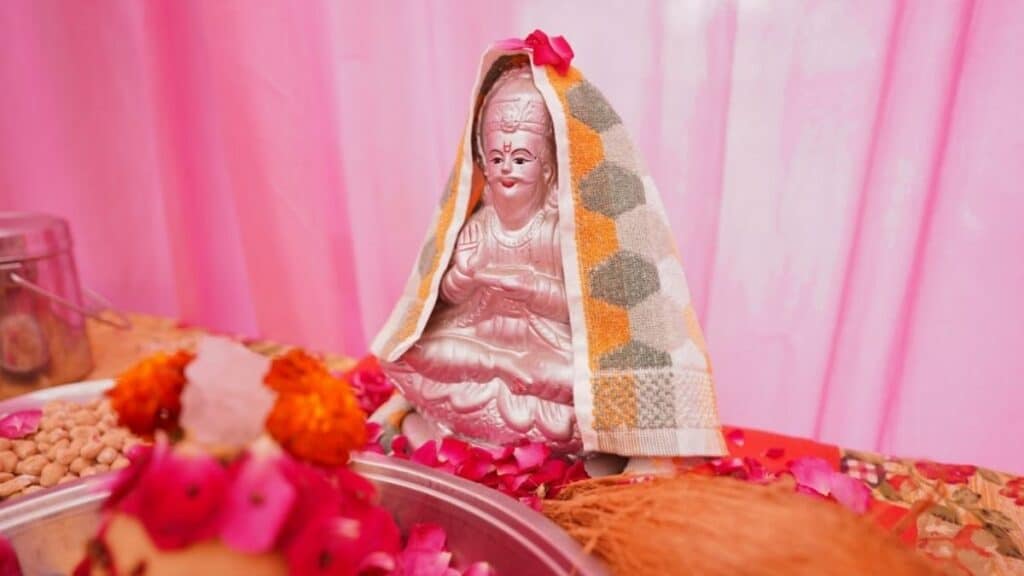
The centerpiece of Cheti Chand worship is the preparation and offering of Baharana Sahib, a sacred arrangement representing Jhulelal:
Components of Baharana Sahib:
- Jyot (oil lamp) — Representing divine light and spiritual illumination
- Kalash (water-filled pot) — Symbolizing the sacred waters of the Indus
- Nariyal (coconut) placed in the kalash
- Misiri (crystal sugar) — Symbolizing sweetness and prosperity in life
- Fota (cardamom) and Fal (fruits)
- Akha (unbroken rice grains)
- Phool (flowers) and Patta (leaves)
- Murti (statue or image of Jhulelal)
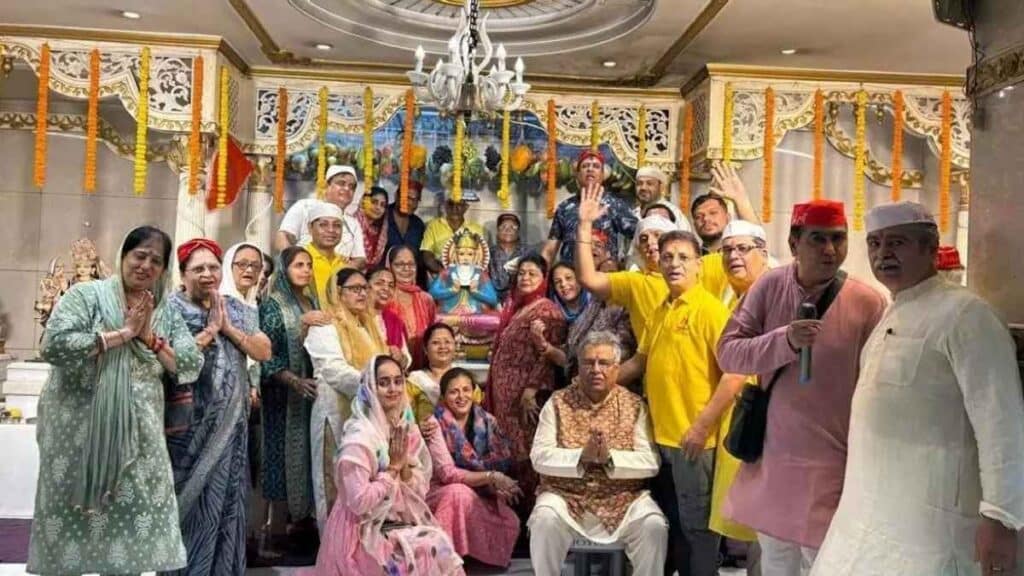
On Cheti Chand morning, families prepare Baharana Sahib with devotion and take it to nearby rivers, lakes, or water bodies. Prayers are offered to Jhulelal and Varuna Dev, seeking blessings for health, prosperity, protection, and harmony.
Traditional Prayers and Chants
Devotees recite traditional Sindhi prayers and mantras invoking Jhulelal’s blessings. The popular devotional cry “Jhoolelaal Thaa’n Beda Hee Par” (meaning “Jhulelal will take our boat across”) is chanted throughout celebrations, symbolizing faith that divine guidance will navigate life’s challenges.
Other traditional greetings include:
- “Jhulelal Asaan Khey Sadaa Charhanda Kala Bakshe!” (May Jhulelal bless us with ever-growing prosperity)
- Hymns praising the water deity and celebrating deliverance from persecution
Home Observances
Pre-Festival Preparations:
- Thorough cleaning and decoration of homes
- Setting up a small altar with Jhulelal’s image
- Lighting oil lamps (diyas)
- Wearing new clothes, preferably in bright, festive colors
Morning Rituals:
- Early morning bath and purification
- Special puja (worship) at the home altar
- Offering flowers, incense, and sweets to Jhulelal
- Sprinkling water from the kalash for purification and blessings
- Distributing prasad (blessed food) to family members
Temple and Community Celebrations
Sindhi temples and community centers host elaborate religious programs:
- Morning Aarti: Dawn worship with traditional hymns and devotional songs
- Kirtan and Bhajans: Group singing of devotional music praising Jhulelal
- Pravachan: Spiritual discourses on Jhulelal’s teachings and the festival’s significance
- Community Puja: Collective worship ceremonies
- Processions (Jhankis): Decorated tableaux depicting Jhulelal’s life, carried through neighborhoods with music and dancing
Water Immersion Ceremony
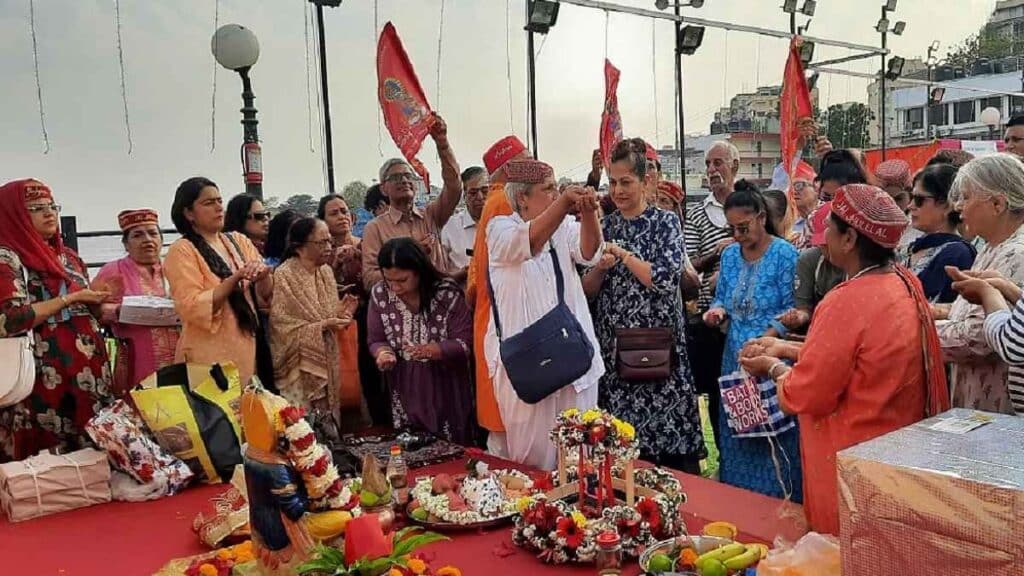
After prayers, many devotees proceed to water bodies (rivers, lakes, or the sea) to:
- Offer the Baharana Sahib to the water
- Float flowers and oil lamps
- Perform collective prayers
- Seek blessings for family and community welfare
This ritual honors Jhulelal’s connection to water and acknowledges the Indus River’s central role in Sindhi heritage.
Purpose and Spiritual Meaning
Cheti Chand prayers emphasize:
- Gratitude: Thanking the divine for protection and blessings
- Renewal: Seeking spiritual purification and fresh beginnings
- Community: Strengthening bonds through collective worship
- Faith: Reaffirming trust in divine guidance
- Cultural Continuity: Passing traditions to younger generations
Whether observed in homes, temples, or at water’s edge, Cheti Chand rituals create a sacred space where devotion, cultural identity, and spiritual aspiration converge.
How Cheti Chand Is Celebrated Across India
While Cheti Chand maintains its core spiritual essence throughout India, regional expressions vary based on local Sindhi community traditions and cultural integration.
Maharashtra (Mumbai, Pune, Thane, Ulhasnagar)
Maharashtra hosts India’s largest Sindhi population, making it the epicenter of Cheti Chand celebrations. Mumbai and Ulhasnagar witness grand processions featuring decorated jhankis (tableaux) of Jhulelal, traditional Sindhi music, and vibrant street celebrations.
Key Features:
- Massive community gatherings at Sindhi temples and associations
- Processions through Sindhi-dominated areas like Chembur, Ulhasnagar, and Bandra
- Cultural programs featuring Sindhi folk music and dance
- Community feasts serving traditional Sindhi cuisine
- Business community networking events
Gujarat (Ahmedabad, Gandhinagar, Surat)
Gujarat’s Sindhi community celebrates with characteristic entrepreneurial spirit, combining religious devotion with business and social networking.
Traditions:
- Community prayers at Sindhi temples
- Traditional meals prepared according to Sindhi culinary customs
- Cultural programs blending Sindhi and Gujarati traditions
- Charitable activities and community service initiatives
Rajasthan (Jaipur, Jodhpur, Ajmer)
Rajasthan’s Sindhi population maintains strong cultural connections, celebrating Cheti Chand with water-side ceremonies and traditional observances.
Delhi NCR (Delhi, Noida, Gurgaon)
The capital region’s cosmopolitan Sindhi community organizes large-scale celebrations combining tradition with urban modernity.
Madhya Pradesh (Indore, Bhopal)
Known for business communities, these cities celebrate with organized community events and charitable initiatives.
Karnataka and Telangana (Bangalore, Hyderabad)
Since Cheti Chand coincides with Ugadi (the regional new year), celebrations often merge beautifully:
Other Regions
Wherever Sindhi communities have settled—from Punjab to Tamil Nadu—Cheti Chand is celebrated with adapted local flavors while maintaining core religious and cultural practices.
Participation Across Religions in India
Cheti Chand stands unique among Hindu festivals for its profound interfaith dimension and inclusive spirit, rooted in its very origin story of religious tolerance and coexistence.
Hindu-Muslim Spiritual Unity
The festival’s foundation celebrates a deity revered across religious boundaries:
Sindhi Hindus worship Jhulelal as an avatar of Varuna Dev, their patron saint and protector.
Sufi Muslims in Sindh venerate the same deity as Khwaja Khizir or Zindapir (the Living Saint), recognizing his spiritual authority and miraculous powers.
This dual reverence exemplifies the syncretic spiritual traditions of Sindh, where Hindu and Sufi Islamic practices historically intermingled, creating a unique cultural tapestry.
Historical Interfaith Celebrations
In pre-Partition Sindh, Cheti Chand celebrations at shrines like Uderolal and Zindapir attracted devotees from both communities. Sufi Muslims and Hindus would participate together in:
- Shrine visits and offerings
- Devotional music sessions (qawwalis and bhajans)
- Community feasts
- Shared reverence for the water deity
Social Bonding Beyond Boundaries
Like Holi and other major Indian festivals, Cheti Chand breaks down social barriers during celebrations. Communities come together without distinction of religion, caste, or economic status to participate in:
For Sindhi communities worldwide, maintaining this inclusive tradition honors both their spiritual heritage and the core message of Jhulelal’s intervention—that faith and culture can unite rather than divide humanity.
How Cheti Chand Is Celebrated Outside India
The Sindhi diaspora has carried Cheti Chand traditions across continents, adapting celebrations to local contexts while preserving core spiritual and cultural practices.
United States
The substantial Sindhi community in America celebrates Cheti Chand with organized events blending tradition and modernity.
Major Celebration Centers:
- New York/New Jersey: Large gatherings at temples and community halls in Edison, Jersey City
- California: San Francisco Bay Area and Los Angeles host major events
- Texas: Houston and Dallas Sindhi associations organize cultural programs
- Illinois: Chicago’s Sindhi community conducts temple celebrations
United Kingdom
Britain’s Sindhi community, concentrated in London and other major cities, maintains vibrant Cheti Chand traditions.
Canada
Toronto and Vancouver host the largest Canadian Sindhi populations.
Celebrations Include:
- Temple pujas and community gatherings
- Cultural programs emphasizing heritage preservation
- Youth engagement activities
- Traditional feasting and social events
- Adapted water rituals at local lakes
United Arab Emirates
The UAE’s large Sindhi business community organizes some of the most elaborate diaspora celebrations.
Dubai and Abu Dhabi Events:
- Grand celebrations featuring celebrity performers from India
- Luxury hotel venues for community dinners
- Business networking integrated with cultural celebration
- Charitable initiatives supporting causes in India and Pakistan
- Multi-generational participation
Australia and New Zealand
Sydney, Melbourne, and Auckland Sindhi communities celebrate with adapted traditions.
Unique Aspects:
- Celebrations during autumn (opposite season from India)
- Integration with broader South Asian community events
- Simplified water rituals using local water bodies
- Focus on cultural education for Australian-born children
Singapore
Singapore’s multicultural environment welcomes Cheti Chand celebrations at Hindu temples and community venues, with participation from diverse South Asian communities.
Germany and Europe
Growing Sindhi populations in European cities organize modest but meaningful celebrations focused on religious observance and cultural preservation.
Despite geographical distance and cultural adaptation, diaspora Sindhi communities remain deeply connected to Cheti Chand’s spiritual essence, using the festival as an anchor to ancestral identity and shared cultural memory.
Cheti Chand Gifting Traditions
Cheti Chand gifting reflects the spirit of sharing prosperity, strengthening relationships, and spreading joy as the new year begins.
Traditional Gifts
Misiri (Crystal Sugar): The quintessential Cheti Chand gift, symbolizing sweetness, prosperity, and auspicious beginnings. Families exchange misiri as a blessing for a sweet and successful year ahead.
Dry Fruits and Nuts: Beautifully packaged almonds, cashews, pistachios, and walnuts represent health, abundance, and good wishes.
Sacred Items:
- Small Jhulelal idols and images
- Religious calendars
- Incense and lamp sets
- Prayer books
Traditional Clothing: Gifting new clothes, especially to elders and children, symbolizes renewal and respect.
Jewelry: Gold or silver ornaments, particularly for women in the family.
Modern Gifting Practices
Curated Gift Hampers: Combining traditional and contemporary items:
- Misiri and dry fruits with gourmet treats
- Sindhi specialty foods with modern packaging
- Cultural items paired with practical gifts
Personalized Gifts:
- Items featuring Sindhi cultural motifs
- Customized jewelry with Jhulelal symbols
- Photo albums celebrating family heritage
Cheti Chand gifting strengthens the bonds that hold Sindhi communities together, ensuring that prosperity and happiness are shared across families, friends, and the broader community.
Traditional Cheti Chand Foods and Sweets

Cheti Chand feasts showcase the rich and distinctive Sindhi culinary heritage, featuring elaborate vegetarian meals that celebrate abundance, tradition, and community.
Signature Main Dishes
Tahiri: A fragrant aromatic rice dish cooked with vegetables, tomatoes, potatoes, and warm spices. This colorful one-pot meal often serves as the centerpiece of the Cheti Chand feast.
Sai Bhaji: A nutritious and flavorful spinach-based curry combining leafy greens with lentils (chana dal), vegetables, and aromatic spices. This beloved dish represents health, prosperity, and traditional Sindhi cooking.
Dal Pakwan: A quintessential Sindhi breakfast elevated for festive occasions—spiced chana dal served with crispy, fried wheat flatbreads (pakwan), accompanied by tangy chutneys and pickles.
Aloo Tuk: Double-fried crispy potatoes seasoned with tangy spices, adding irresistible crunch and flavor to the meal.
Koki: Traditional whole wheat flatbreads enhanced with finely chopped onions, green chilies, and spices, pan-fried until golden and aromatic.
Sindhi Kadhi: A distinctive gram flour-based curry featuring assorted vegetables in a tangy, spiced gravy—unique to Sindhi cuisine.
Sweet Delicacies
Seyal Pheni: Sweet vermicelli cooked in milk, ghee, sugar, and cardamom—a traditional festive dessert.
Mitho Lolo: Sweet flatbread prepared with wheat flour, jaggery or sugar, ghee, and aromatic spices.
Sev Barfi: A unique Sindhi sweet made from roasted vermicelli (sev), khoya (milk solids), sugar, and nuts, set into bars.
Kheer/Kheerio: Creamy rice pudding infused with cardamom, saffron, and garnished with nuts—often offered as prasad (blessed food).
Falooda: A refreshing dessert drink combining rose syrup, vermicelli, basil seeds (sabja), and milk—perfect for celebrations.
The Cheti Chand feast is not merely about consumption but about celebration, gratitude, cultural preservation, and the joy of sharing abundance with loved ones and community. cookware while maintaining ingredient authenticity, accepting gas stoves when wood is unavailable.


Cheti Chand: Music, Art, and Cultural Expression
Music, dance, and artistic expression form the vibrant heartbeat of Cheti Chand celebrations, transforming devotion into joyous cultural performance.
Traditional Devotional Music
Bhajans and Kirtans: Devotional songs praising Jhulelal, sung in groups with traditional instruments like harmonium, tabla, and dholak. These create an atmosphere of spiritual devotion and community bonding.
Sindhi Folk Songs: Traditional compositions specific to Cheti Chand and Jhulelal worship, often passed down through generations, sung in the melodious Sindhi language.
Popular Devotional Chants:
- “Jhoolelaal Thaa’n Beda Hee Par” (Jhulelal will take our boat across)
- Traditional hymns invoking Varuna Dev and celebrating water
- Songs narrating Jhulelal’s miraculous deeds
Folk Dance Forms
Jhulelal Thah: Traditional Sindhi folk dance performed during processions, characterized by graceful movements and colorful costumes.
Ho Jamalo: An energetic, celebratory group dance expressing collective joy and community spirit, performed with rhythmic clapping and synchronized steps.
Modern Fusion Dance: Contemporary choreography blending traditional Sindhi moves with Bollywood, Western, and classical Indian dance styles, especially popular among youth.
Visual and Decorative Arts
Jhankis (Tableaux): Elaborately decorated moving displays depicting scenes from Jhulelal’s life:
- Jhulelal seated on his palla fish
- The miraculous emergence from the Indus River
- Confrontation with tyrant Mirkshah
- Blessings bestowed upon devotees
Rangoli and Floor Art: Colorful traditional designs created at home entrances and temple courtyards, often featuring:
- Jhulelal imagery
- Water motifs and fish symbols
- Floral and geometric patterns
- Auspicious symbols
The artistic expressions of Cheti Chand transform religious observance into a vibrant cultural celebration, ensuring that Sindhi traditions remain alive, relevant, and cherished across generations and geographies. on social media.
Cheti Chand’s Modern Relevance and Cultural Continuity
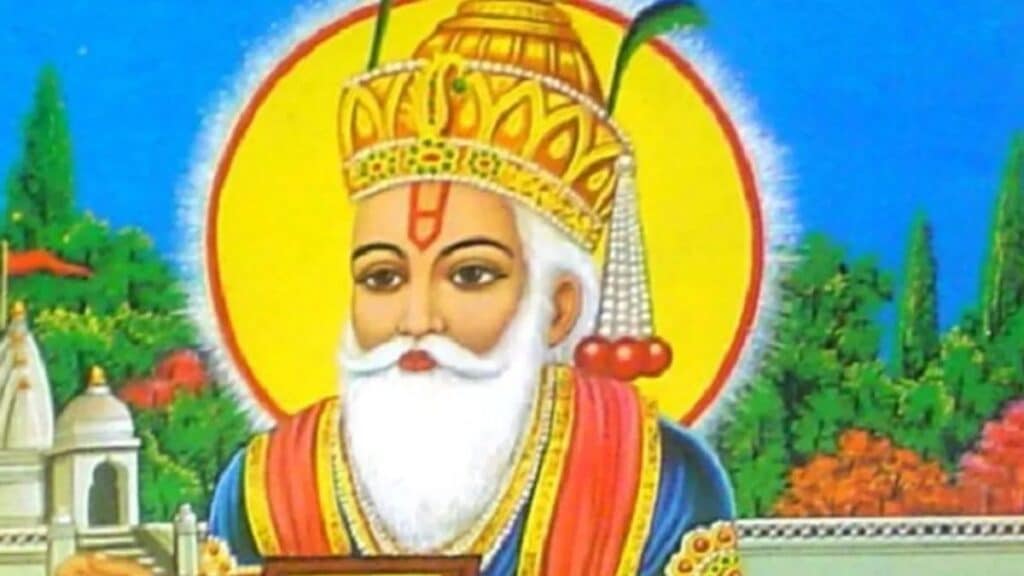
In today’s rapidly globalizing world, Cheti Chand holds profound relevance far beyond its religious and cultural origins.
A Message for Our Times
The founding story of Cheti Chand—divine intervention protecting religious freedom and promoting peaceful coexistence—resonates powerfully in contemporary society marked by religious divisions and identity conflicts. Jhulelal’s message that all faiths deserve equal respect offers a model of tolerance desperately needed today.
Unity in Diversity
The interfaith dimension of Cheti Chand—where Jhulelal is revered by both Hindus and Sufi Muslims—exemplifies India’s syncretic spiritual traditions and demonstrates that religious boundaries need not divide humanity.
Environmental Consciousness
As a festival honoring the water deity, Cheti Chand carries ecological significance, reminding modern communities of:
- The sacredness of natural resources
- Humanity’s dependence on water
- Responsibility toward environmental protection
For the Sindhi community, Cheti Chand is more than a festival—it’s a promise that cultural identity survives displacement, that faith overcomes adversity, and that community bonds transcend distance. As long as Sindhis gather to celebrate the birth of Jhulelal, their heritage lives on, vibrant and unbroken.
Cheti Chand Jo Lakh Lakh Vadhai!