


Cheti Chand falls on April 1, 2026, celebrating the birth of Jhulelal and marking the Sindhi New Year. Koki is the breakfast cornerstone served around 7 AM before processions begin—paired classically with dahi (yogurt) and aloo tuk. The research documents that koki searches spike approximately 65% in March annually as communities prepare for Cheti Chand, and Ulhasnagar Sindhi homes reportedly consume approximately 4 rotis per person daily, doubling yield during festivals to feed extended relatives.
Knead wheat flour with chopped onion-chili-coriander-ginger, roll thick ½-inch discs, cook on tawa until golden spots appear on both sides with ghee. 250-calorie spicy flatbread; serve with curd and pickle—ready in 30 minutes.
Table of Contents
What Exactly Is Koki Bread?
Koki transforms basic atta (whole wheat flour) into what Sindhi families call the “roti king”—a flavor-packed flatbread where vegetables aren’t just filling or topping but integral to the dough itself. Unlike plain rotis or even stuffed parathas, koki’s genius lies in mashing raw vegetables directly into the flour, creating visible chunky texture that preserves vegetable crunch even after cooking.
The vegetable ratio is significant: approximately 30% of the dough’s volume comes from finely chopped onions, plus green chilies, coriander leaves, and ginger. This isn’t subtle flavoring—it’s bold, assertive, wake-you-up spice that the research describes with the traditional wisdom: “Chunky vegetables announce koki arrival visually.”
The thickness matters equally. Where regular rotis are rolled thin and puff with air pockets, koki is deliberately rolled to approximately ½ inch thickness. This thick rolling, as generational technique explains: “traps steam creating signature texture”—crispy golden edges surrounding a soft, chewy, vegetable-studded center.
Cultural context matters: the research notes that “Karachi dhabas serve koki-sindhi curry” while “diaspora packs travel-friendly procession picnics”—meaning koki works both as sit-down breakfast and portable festival food.
Recipe Overview
| Detail | Information |
|---|---|
| Prep Time | 10 minutes (intensive chopping) |
| Dough Resting | 20 minutes |
| Cooking Time | 30 minutes |
| Total Time | 60 minutes |
| Yield | 12 kokis |
| Servings | 6 people (2 kokis each) |
| Cuisine | Sindhi |
| Course | Breakfast, Festival Morning Meal |
| Diet | Vegetarian |
| Difficulty Level | Easy-Medium |
| Calories per 2 Kokis | ~250 kcal |
| Festival | Cheti Chand (April 1, 2026) |
Why Koki Is Essential for Cheti Chand Morning
Cheti Chand falls on April 1, 2026, celebrating Jhulelal’s birth and the Sindhi New Year. Koki plays a specific, practical role in this celebration:
Digestive preparation for rich thali. The research notes: “chili-ginger digestion aids rich thali prep”—meaning the warming spices in koki eaten early morning prepare your digestive system for the heavier Dal Pakwan, Sai Bhaji, and sweets that follow later.
Timeline efficiency for busy festival morning. The research states: “Timeline efficiency: 30-min yield 12 kokis serves 6 generously”—allowing families to prepare substantial breakfast quickly before puja and processions begin around 7 AM.
Community bonding through collective preparation. The research describes: “Ghaziabad Sindhi aunties roll communal sessions March 31 evenings preparing 100+ rotis collectively”—showing how koki-making becomes a social ritual where extended families and neighbors gather the evening before Cheti Chand to prepare together.
Completes the Sindhi breakfast series. The research emphasizes koki “bridges aloo tuk crunch with dal pakwan sophistication seamlessly”—meaning it provides the substantial carb base that balances crispy potatoes and protein-rich dal.
CHECK MORE ON:Ukadiche Modak Recipe: Sacred 21-Pleat Steamed Dumpling
Ingredients List
Dough Base
| Ingredient | Quantity | Notes |
|---|---|---|
| Whole wheat flour (atta) | 3 cups (360g) | Yellow atta yields golden hue traditionally |
| Red onions | 2 cups finely chopped (300g) | Fresh red onions mandatory—white waterlogs dough |
| Coriander leaves | ¾ cup chopped | Stems included for flavor boost |
| Green chilies | 6-8 finely chopped | Devein for milder heat |
| Ginger | 1-inch piece grated | Pulp only—no fibers |
| Pomegranate seeds (anardana) | 2 teaspoons | Optional; adds tang |
Seasonings
| Ingredient | Quantity | Notes |
|---|---|---|
| Salt | 1½ teaspoons | |
| Cumin seeds (crushed) | 1 teaspoon | |
| Black pepper powder | ½ teaspoon | |
| Oil | 3 tablespoons | For kneading |
| Ghee | For cooking | Essential for authentic flavor |
Step-by-Step Instructions: Making Perfect Koki
Step 1: Chop and Mash the Vegetable Symphony

Peel and chop 2 cups of red onions into julienne-thin strips to maximize crunch. Devein 6-8 green chilies (removing seeds) for milder heat if preferred. Chop ¾ cup of coriander leaves including stems for added flavor. Grate a 1-inch piece of ginger to extract pulp without fibers.
Time: 10 minutes of intensive prep
Step 2: Develop the Flavorful Dough
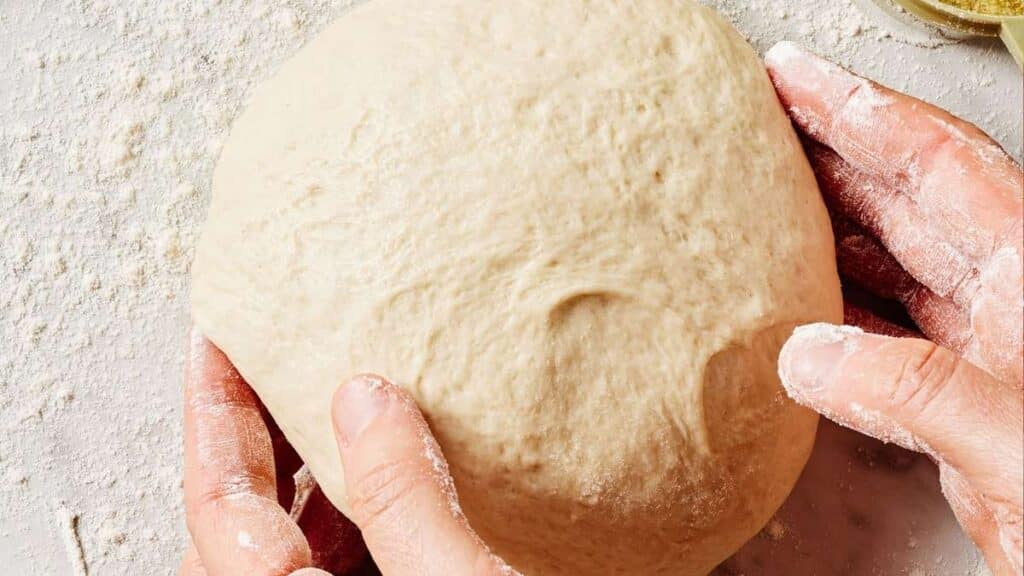
Add 3 cups of whole wheat flour (atta) to the mashed vegetable mixture gradually, mixing as you go. Pour in 3 tablespoons of oil—this creates a crumb-like texture that the research describes: “Oil coating prevents onion water seepage.”
Time: 10 minutes active + 20 minutes resting
Step 3: Roll Thick and Cook to Golden Perfection
Dust your rolling surface minimally—you want to preserve the vegetable chunks visible in the dough. Roll each portion into a thick disc approximately ½ inch thick and 6 inches in diameter.
Time: 30 minutes to cook all 12 kokis
Total Active Time: 30 Minutes (plus 20 minutes resting)
Expert Tips for Authentic Koki
The research provides several critical insights from Sindhi mothers:
Hand-chop vegetables, never use mixie. The quote emphasizes: “Hand-chop onions—mixie shreds waterlogging dough.” Machine chopping releases too much liquid and creates a watery mess rather than chunky texture.
Mash onions with salt beforehand if dough is sticky. The FAQ notes: “Mash onions salt 10 mins beforehand drains water naturally”—this pre-draining prevents excess moisture in the dough.
Apply extra oil to palms during rolling if dough sticks. The research advises: “Dough sticking? Extra oil palm coating during rolling.”
Medium tawa temperature is critical. Too high burns the vegetable chunks before the dough cooks; too low makes them soggy rather than crisp.
Anardana (pomegranate seeds) cuts richness. The research notes: “Anardana tang cuts richness 25%”—meaning this optional ingredient balances the heavy wheat and ghee.
Why This Recipe Still Matters
When you make koki for Cheti Chand 2026—when you hand-chop those onions and chilies rather than using a mixie, when you vigorously mash vegetables for 3 minutes releasing their juices, when you knead that tight dough for 8 minutes trapping vegetable chunks securely, when you roll thick ½-inch discs preserving rustic uneven edges, when you hear that ghee sizzle and see golden brown spots emerge, when you stack them foil-wrapped releasing that onion-chili aroma—you’re participating in Sindhi culinary tradition that values heartiness over delicacy, bold flavor over subtlety, and practical sustenance over decorative refinement.
Because some flatbreads aren’t just breakfast. They’re cultural identity, portable celebration, and hearty hospitality expressed through the most fundamental combination: wheat, onions, chilies, and love.
Cheti Chand Jhulelal Jain! (Victory to Jhulelal!)
Koki is the thick Sindhi spiced flatbread that anchors Cheti Chand breakfast (April 1, 2026)—wheat flour kneaded with 30% chopped onions, chilies, coriander & ginger, rolled ½-inch thick, cooked on tawa with ghee until golden spots appear. Critical techniques: hand-chop vegetables (no mixie!), mash 3 mins to release juices, rest dough 20 mins for flavor depth, roll thick not thin. Ready in 30 minutes active time, yields 12 kokis serving 6, 250 calories per 2 pieces with 10g protein. Pairs with dahi, aloo tuk, pickle. The portable, sustaining breakfast that fuels 4-hour processions and completes your Sindhi festival series.
Why is my koki dough sticky with too much onion moisture?
The research provides the solution: “Mash onions salt 10 mins beforehand drains water naturally.” Before making the dough, combine chopped onions with salt and let sit for 10 minutes.v
How many calories are in 2 pieces of koki?
The research specifies: “250 cal—satisfying Sindhi breakfast fuel.” Two kokis provide approximately 250 calories with approximately 10 grams of protein and 8 grams of fiber, making it a substantial breakfast that sustains energy for approximately 4 hours.
