


Cheti Chand falls on April 1, 2026, celebrating the birth of Jhulelal and marking the Sindhi New Year. Sai Bhaji anchors the festive thali, traditionally paired with bhuga chawal (Sindhi-style tempered rice). The research documents that approximately 90 percent of Sindhi households reportedly serve Sai Bhaji weekly, and Cheti Chand preparations surge approximately 70 percent in March—evidence of a dish that’s both everyday staple and festival centerpiece.
If you’re making Sai Bhaji for the first time, what matters most is understanding the layering technique: you don’t stir the greens and dal together initially. You layer them in the pressure cooker and let steam and pressure do the work. This method, which the research notes is how “Karachi-origin families traditionally layer greens without stirring,” creates better texture and prevents the greens from becoming overly mushy.
Table of Contents
What Exactly Is Sai Bhaji?
Sai Bhaji is a traditional Sindhi one-pot dish that merges legumes and greens into one cohesive, nutrient-dense preparation. The name “Sai” refers to greens, “Bhaji” to vegetables—together describing exactly what it is: a green vegetable dal.
What distinguishes Sai Bhaji from typical dal preparations is the integration: this isn’t dal served alongside sabzi (vegetable curry). It’s dal and vegetables and greens all cooked together, then mashed coarsely into a thick, porridge-like consistency. The research describes it accurately: “Unlike separate dal and sabzi preparations, Sai Bhaji merges legumes and greens into one cohesive, nutrient-dense dish.”
The texture is specific: neither completely smooth like dal makhani nor chunky like sambar, but coarsely mashed so you can still identify individual elements while everything holds together cohesively.
The greens aren’t decorative—they’re structural. The research notes the symbolic meaning: “Four greens feed four generations”—connecting the multi-green inclusion to ideas of abundance, nourishment across ages, and agricultural prosperity.
Recipe Overview
| Detail | Information |
|---|---|
| Prep Time | 15 minutes |
| Pressure Cooking Time | 15 minutes (4-5 whistles) |
| Total Time | ~30 minutes active (plus 3 hrs dal soaking) |
| Yield | 8 servings |
| Servings | 8 people |
| Cuisine | Sindhi |
| Course | Main Course, Dal |
| Diet | Vegetarian, High-Protein |
| Difficulty Level | Easy-Medium |
| Calories per Serving | ~180 kcal |
| Festival | Cheti Chand (April 1, 2026) |
Ingredients List
Dal and Greens Base
| Ingredient | Quantity | Notes |
|---|---|---|
| Chana dal | ¾ cup | Soaked 3 hours minimum |
| Spinach (palak) | 500 g | Roughly chopped |
| Sorrel leaves (khatta palak) | 200 g | Provides tartness |
| Dill leaves (sua) | ½ cup | Aids digestion |
| Fenugreek leaves (methi) | ½ cup | Adds slight bitterness |
Why Sai Bhaji Is Essential for Cheti Chand
Community gathering centerpiece. The research states: “Traditionally served during Cheti Chand community lunches” and notes it’s “often prepared in large quantities for extended family gatherings.” Sai Bhaji’s one-pot nature makes it ideal for feeding many people efficiently—the research documents: “One-pot meals improve serving efficiency by 60% for gatherings.”
Paired with bhuga chawal. The research emphasizes the traditional pairing: “Paired with bhuga chawal (Sindhi-style tempered rice).” This combination—Sai Bhaji’s hearty, protein-rich dal-greens mixture with fragrant, ghee-tempered rice—creates a complete, satisfying meal.
Symbol of abundance. The research notes Sai Bhaji “symbolizes agricultural abundance through multi-green inclusion.” The four types of greens represent harvest prosperity and the bounty of spring (Cheti Chand marks spring’s arrival).
Everyday staple elevated for festival. Unlike foods prepared only for festivals, Sai Bhaji is regular comfort food. The research documents: “90% Sindhi households reportedly serve Sai Bhaji weekly”—meaning this isn’t exotic festival food but beloved daily fare given special status on Cheti Chand.
Nutritional balance for feast. The research emphasizes functional value: “This makes Sai Bhaji ideal for festival meals that include sweets and rice-heavy dishes.” With approximately 15 grams of protein and 8-10 grams of fiber per serving, it provides nutritional grounding in a celebration that might otherwise be carbohydrate and sweet-dominated.
The Critical Technique: Layering Without Stirring
Before we get into the step-by-step, let’s establish the technique that makes Sai Bhaji work: layering ingredients in the pressure cooker without stirring them together initially.
Prevents green mush. If you stir greens into hot oil and dal from the beginning, they can become overcooked and slimy. Layering on top allows them to steam gently during pressure cooking.
Better texture control. The bottom layer (aromatics, dal, vegetables) cooks in oil and moisture. The top layer (greens) steams. This creates textural variety in the final mash.
Efficiency. You layer everything in the pressure cooker and walk away. No constant stirring or monitoring required.
Step-by-Step Instructions: Making Perfect Sai Bhaji
Step 1: Soak Chana Dal (3 Hours Before)
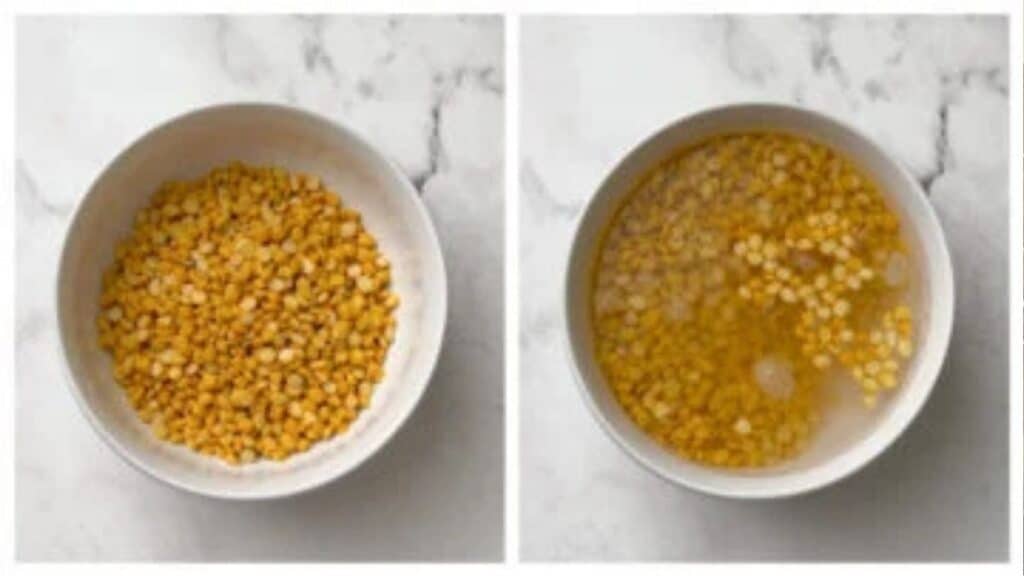
Rinse ¾ cup of chana dal under running water until water runs clear. Soak in approximately 2 cups of water for at least 3 hours.
Time: 3 hours (passive)
Step 2: Prepare Ingredients
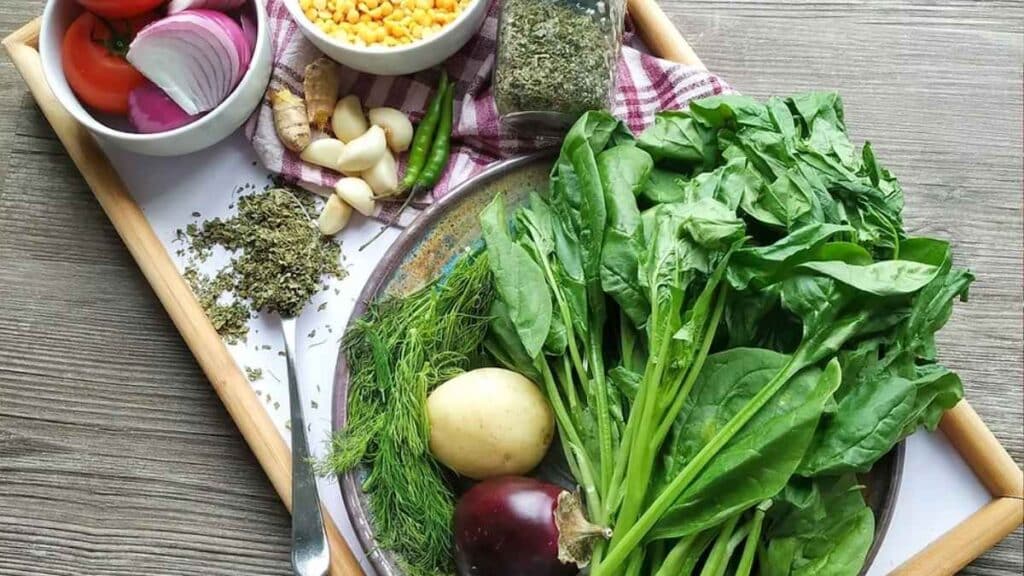
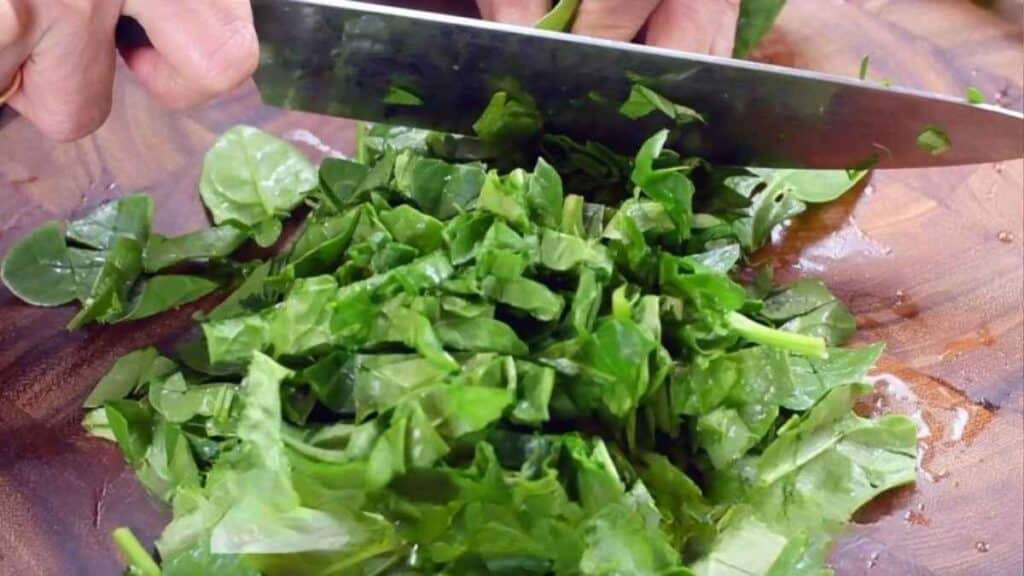
Chop 500g spinach roughly
Chop 200g sorrel leaves
Chop ½ cup dill leaves
Chop ½ cup fenugreek leaves
Cube 2 potatoes into 1-inch pieces
Keep 8 baby brinjals whole (or cube 1 large brinjal)
Chop 2 tomatoes
Chop 1 large onion
Chop ginger and 6 garlic cloves (reserve 5-6 cloves for tempering)
Chop 2-3 green chilies
Time: 15 minutes
Step 3: Sauté Aromatics
Heat 1 tablespoon of ghee in a pressure cooker. Add chopped ginger, 6 garlic cloves, and green chilies. Sauté for 1-2 minutes until aromatic.
Time: 2 minutes
Step 4: Build the Base Layer
Add chopped tomatoes, turmeric powder, red chili powder, coriander powder, and salt. Cook for 3-4 minutes until tomatoes soften and oil begins to separate slightly.
Time: 7-8 minutes
Step 5: Layer Dal and Vegetables
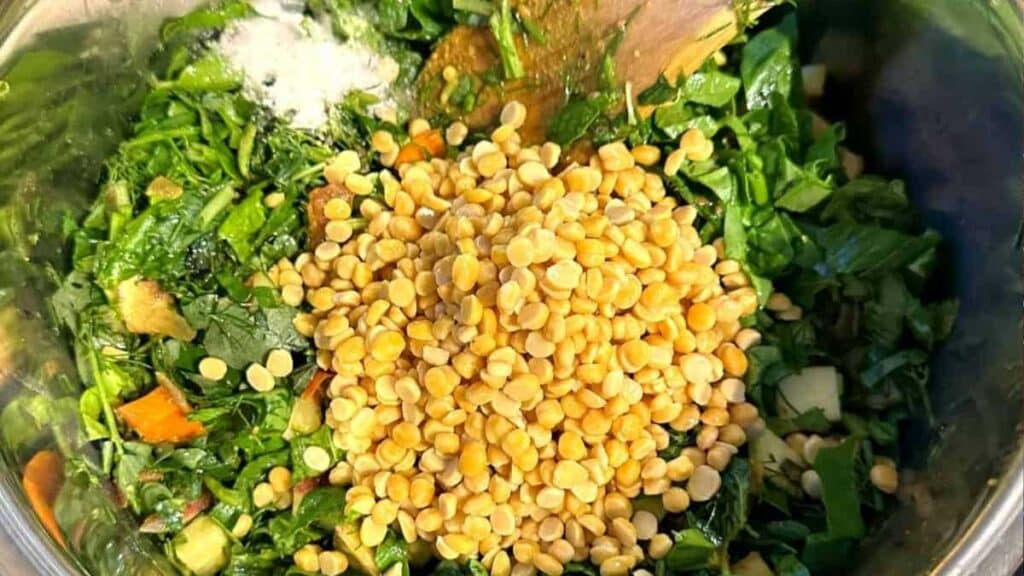
Add the soaked, drained chana dal to the base. Mix to coat with the masala.
Time: 2 minutes
Step 6: Layer Greens Without Stirring
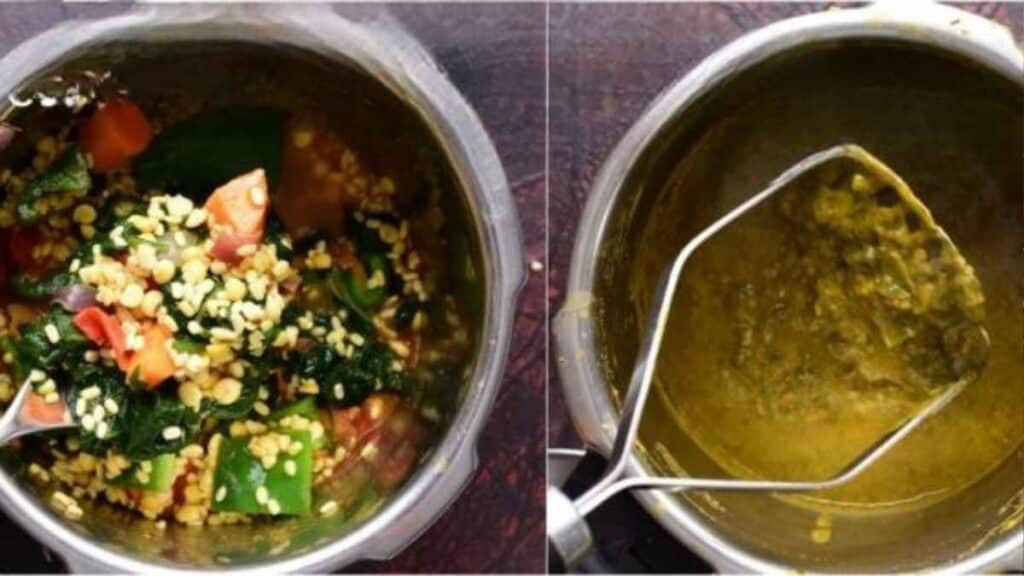
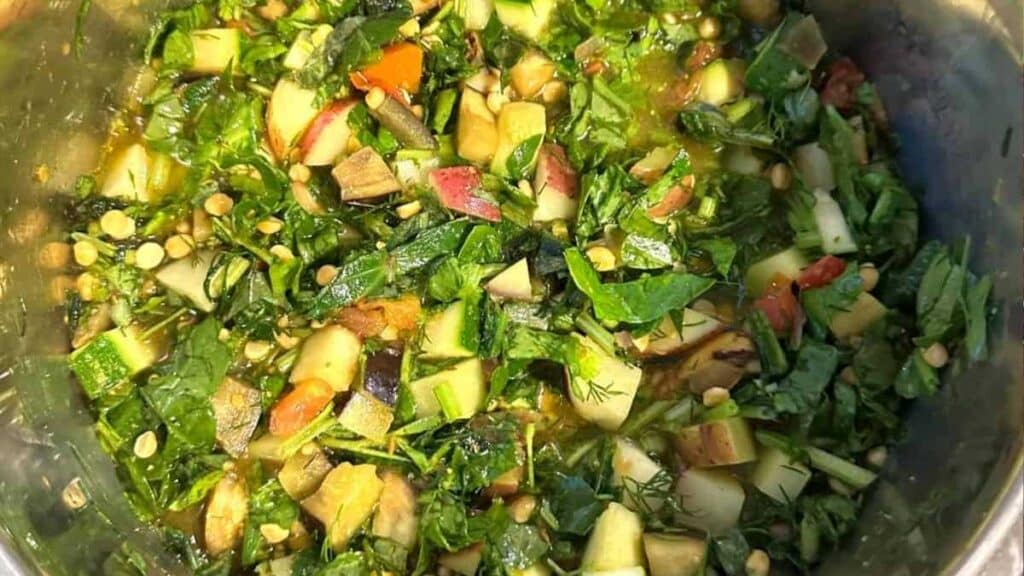
Now add all the chopped greens on top: spinach, sorrel, dill, and fenugreek. Spread them evenly across the surface.
Time: 2 minutes
Step 7: Mash Coarsely
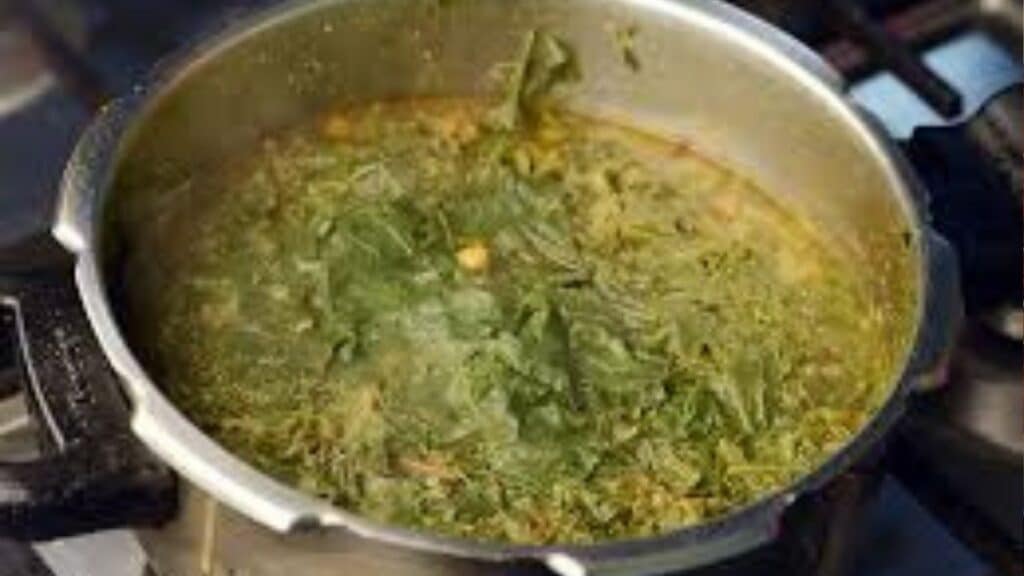
Once pressure has released and you can safely open the cooker, you’ll see the layers have cooked down significantly. The greens will have wilted, the dal will be tender.
Time: 3 minutes
Step 8: Prepare Garlic Tempering
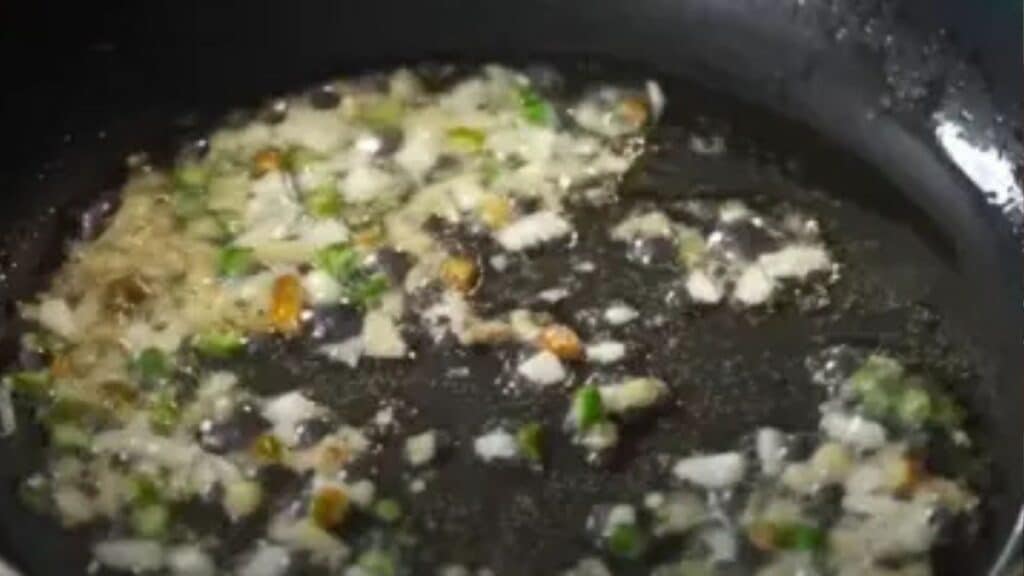
Heat 2 tablespoons of ghee in a small tempering pan (tadka pan). Add a pinch of asafoetida (hing), 2-3 broken dried red chilies, and 5-6 thinly sliced garlic cloves.
Time: 3 minutes
Step 9: Final Mixing and Serve
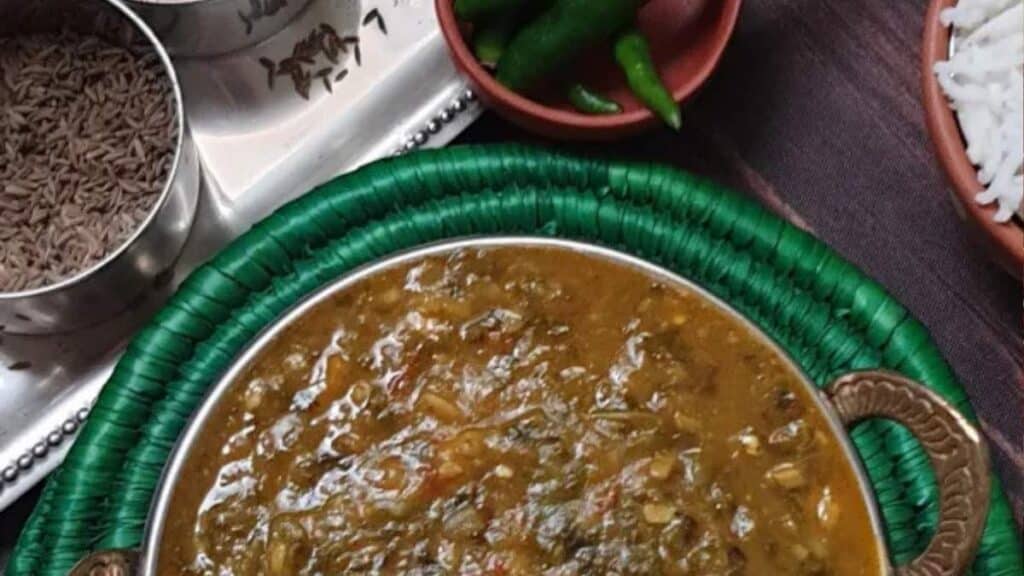
Stir the tempering into the Sai Bhaji. Taste and adjust salt if needed.
Total Active Time: Approximately 30 Minutes (plus soaking and pressure release)
Make-Ahead Strategy for Cheti Chand
2 Days Before (March 30):
- Soak and pressure cook Sai Bhaji
- Refrigerate without final tempering
Festival Day (April 1):
- Reheat Sai Bhaji gently
- Make fresh garlic tempering
- Serve hot with freshly made bhuga chawal
The research notes: “Refrigeration: Up to 4 days (flavor deepens by day 2–3)” and emphasizes: “Tempering ideally done fresh on serving day.”
The research also advises: “Best stored in glass containers”—glass doesn’t absorb flavors and preserves better than plastic.
CHECK MORE ON;Puran Poli Recipe: Maharashtra’s Golden Sweet Flatbread
Why This Dish Still Matters
In the landscape of Indian festival foods, Sai Bhaji occupies unique territory—it’s both everyday comfort and celebration centerpiece. The research states: “Sai Bhaji embodies Sindhi culinary identity—combining simplicity, nutrition, and communal tradition.”
What makes Sai Bhaji particularly meaningful is how it represents Sindhi resourcefulness and nutritional wisdom. The research describes it as reflecting “Sindhi resilience, resourcefulness, and nutritional wisdom.” This one pot delivers approximately 15 grams of protein, 8-10 grams of fiber, iron from multiple greens, vitamin C from sorrel—complete nourishment from simple ingredients.
For Cheti Chand specifically, Sai Bhaji performs crucial functions: it anchors community gatherings (the research notes one-pot efficiency), it provides nutritional grounding in a sweet-heavy celebration, and it connects to agricultural abundance through its multi-green symbolism.
When you make Sai Bhaji for Cheti Chand 2026—when you layer those four types of greens over chana dal without stirring, when you hear the pressure cooker whistles and know it’s all coming together, when you pour that sizzling garlic-ghee tempering over the mashed mixture and the whole house fills with the aroma, when you serve it alongside bhuga chawal for your family or community gathering—you’re participating in something larger than just making dinner.
Cheti Chand Jhulelal Jain! (Victory to Jhulelal!)
Sai Bhaji is the Sindhi one-pot dal that anchors Cheti Chand celebrations (April 1, 2026)—combining chana dal with four greens (spinach, sorrel, dill, fenugreek), potatoes, and brinjals. Critical technique: layer greens without stirring, pressure cook 4-5 whistles, mash coarsely, finish with garlic-ghee tempering. Ready in 30 minutes, serves 8, 15g protein, 180 calories. Pairs with bhuga chawal. The wholesome comfort that feeds generations.
Can I make Sai Bhaji without a pressure cooker?
While the traditional method uses pressure cooking for efficiency (especially important when cooking for community gatherings), you can make it in a regular pot.
What if I can’t find sorrel leaves (khatta palak)?
The research provides the solution: “Lemon juice substitute if sorrel unavailable.” Sorrel provides tartness, so if unavailable, add 2-3 tablespoons of lemon juice at the end of cooking to achieve similar tangy flavor.
