


If you’re raising children abroad, you’ve probably noticed how much more screen time they’re getting compared to kids back home—and it’s not just in your head. Between online schooling, colder climates that keep them indoors, and the digital babysitters we all reluctantly rely on, Indian children living overseas are facing a silent epidemic of eye health issues that many parents don’t recognize until it’s already affecting their child’s vision.
Quick Summary:
Indian children abroad face increased risk of myopia and digital eye strain due to excessive screen time (often 2+ hours daily) and limited outdoor play. The 20-20-20-2 rule—20-minute breaks, 20-second distant gaze, 20 blinks, and 2 hours outdoor time—combined with blue light filters and annual eye exams can protect their developing vision.
Table of Contents
Why Indian Children Abroad Face Unique Eye Health Challenges
The transition from India to countries with different climates and lifestyles creates a perfect storm for childhood eye problems. Back home, children might have spent afternoons playing cricket in the street, running around neighborhood parks, or simply being outdoors because that’s where life happened. Abroad, especially in places like Canada, the UK, or northern Europe, winter darkness arrives at 4 PM, and sub-zero temperatures mean outdoor play isn’t just unappealing—it sometimes feels impossible.
There’s also the immigrant parent reality that we don’t talk about enough. Many of us are working demanding jobs, managing without the extended family support system we had back home, and genuinely stretched thin. Screens become the third parent we never wanted but desperately need. A tablet keeps them occupied during your Zoom meeting. A show buys you thirty minutes to cook dinner. Gaming gives them a way to connect with cousins back in India across time zones.
Understanding Myopia Progression in Children Abroad
Myopia, or nearsightedness, isn’t just about needing glasses—it’s a progressive condition that tends to worsen during childhood and can lead to serious complications later in life if left unmanaged. What’s particularly concerning is how rapidly myopia rates have increased globally, with researchers pointing directly at lifestyle changes that match exactly what happens when Indian families move abroad.
The mechanism is actually quite straightforward. Human eyes evolved for a world where we spent most of our time looking at distant horizons, tracking movement across landscapes, and engaging in activities that required varied focal distances. Children’s eyes, still developing until their late teens, need exposure to natural daylight and distance vision to develop properly. When that exposure is replaced with hours of close-up work—whether reading, writing, or staring at screens just inches from their face—the eye physically adapts by elongating, which is what causes nearsightedness.
For Indian parents abroad, this creates a particular dilemma. We often moved to give our children better educational opportunities, and we take academics seriously.
Recognizing Digital Eye Strain in Your Children
Digital eye strain, sometimes called Computer Vision Syndrome, affects children differently than adults, and they often can’t articulate what they’re experiencing. As parents, we need to watch for signs that might seem unrelated to screen use but actually indicate their eyes are struggling.
Frequent headaches, especially in the afternoon or evening, are a major red flag. If your child complains about their head hurting after school or gaming sessions, their eyes are likely overworked. You might also notice them rubbing their eyes constantly, complaining that their eyes feel “tired” or “scratchy,” or blinking excessively—ironically, this happens because they blink far less while staring at screens, leading to dry, irritated eyes.
Behavioral changes can signal eye strain too. A child who suddenly sits very close to the television, holds books or tablets unusually close to their face, or squints frequently might be compensating for blurry vision. Some children become irritable or lose focus easily, not because they’re being difficult, but because their eyes genuinely hurt and they don’t know how to explain it.
Sleep problems often accompany heavy screen use, though parents don’t always connect the dots. If your child has trouble falling asleep, wakes frequently, or seems exhausted despite adequate sleep hours, blue light exposure from evening screen time might be suppressing their melatonin production, disrupting their natural sleep-wake cycle.
Indian children, especially those taught to be respectful and not complain, might not mention discomfort even when they’re aware of it. Creating an environment where they feel comfortable discussing physical symptoms without feeling like they’re making a big deal out of nothing is crucial for early detection.
CHECK MORE ON:Weight Gain After 40: Why Indian Immigrants Struggle and What Actually Works
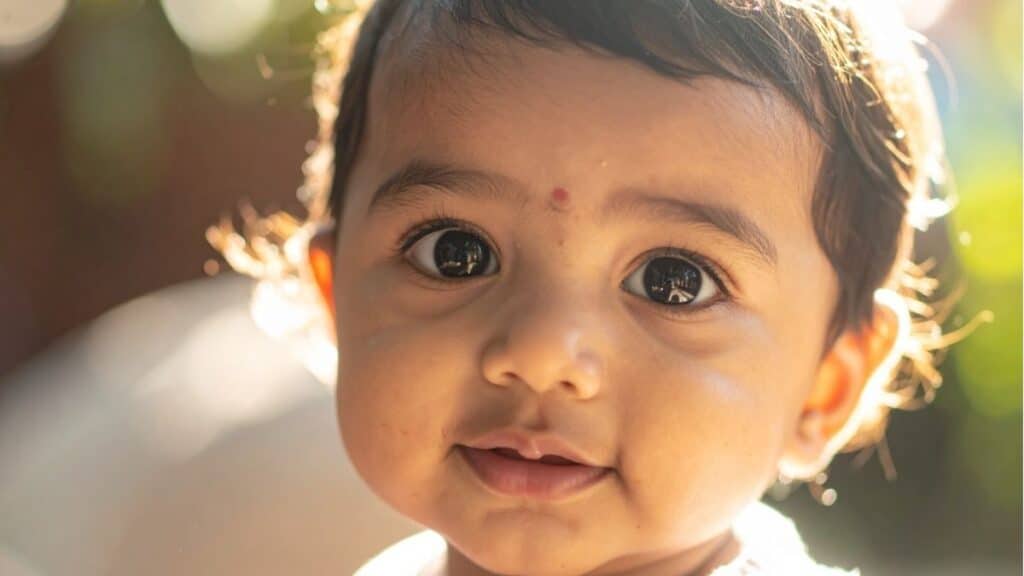
The 20-20-20-2 Rule: Your Family’s Eye Health Foundation
The 20-20-20-2 rule sounds like one of those oversimplified solutions that couldn’t possibly work, but it’s actually grounded in solid ophthalmological research and represents a practical framework that addresses multiple aspects of eye health simultaneously.
Every 20 minutes of screen time, take a 20-second break to look at something 20 feet away. This part addresses eye strain from sustained near work. When you focus on something close up for extended periods, the ciliary muscles in your eyes remain contracted, leading to fatigue and strain. Looking at something distant allows those muscles to relax. Twenty feet is roughly the distance where your eyes shift to “infinity focus”—anything beyond that provides similar benefits.
Making this happen with children requires some creativity. You can’t realistically expect a seven-year-old to set timers and self-regulate, especially when they’re absorbed in a game or video. Instead, build the breaks into activities structurally. If they’re watching a show, the 20-20-20 break happens during commercials or between episodes. For homework, it becomes part of the routine—every three or four problems, look out the window and find something specific (a bird, a car, a tree) for a few seconds.
The 20 blinks portion addresses the reduced blink rate that happens during screen use. Normally, we blink about 15-20 times per minute, spreading tears across the eye surface and keeping them lubricated. During screen time, that rate can drop to 5-7 blinks per minute, leading to dry, irritated eyes. Teaching children to consciously blink during their 20-second break—or even making it a silly game where you blink rapidly together—helps reset this pattern.
Two hours of outdoor time daily is perhaps the most challenging element, especially for families in cold climates, but it’s also the most crucial for myopia prevention. The key word is “outdoor”—indoor exercise, while valuable for general health, doesn’t provide the same eye development benefits. Natural daylight triggers dopamine release in the retina, which appears to slow the eye elongation that causes myopia. Even on cloudy days, outdoor light is significantly brighter than indoor lighting and provides this protective effect.
Two hours sounds daunting until you break it down. The morning walk to school, recess or outdoor lunch break, an afternoon at the park, playing in the backyard, walking to activities instead of driving—it adds up faster than you think. On weekends, prioritize outdoor family activities: hiking, visiting outdoor markets, playground time, even window shopping in outdoor areas counts.
For cold weather months, proper gear makes outdoor time possible rather than miserable. Invest in quality winter clothing—it’s worth it for your children’s vision. Nordic countries have a saying: “There’s no such thing as bad weather, only bad clothing.” Even fifteen minutes of outdoor time multiple times throughout the day provides benefits, so don’t feel pressured to do two consecutive hours in freezing temperatures.
Optimizing Your Children’s Screen Environment
If screens are unavoidable—and realistically, they are—then optimizing how children use them becomes the next line of defense. Small environmental adjustments can significantly reduce eye strain without requiring you to eliminate screens entirely.
Blue light management has become somewhat controversial, with some research questioning whether blue light filters make a meaningful difference. However, the consensus is that reducing blue light exposure in the evening helps preserve natural sleep cycles, which indirectly supports overall health, including eye health. Most devices now include built-in blue light filters (Night Shift on Apple devices, Night Light on Windows, various options on Android). Enable these to activate automatically a couple of hours before bedtime.
Blue light blocking glasses are another option, though opinions vary on their effectiveness. If your child already wears prescription glasses, you can get lenses with blue light filtering coatings. For children without vision correction needs, separate blue light glasses are available, though ensuring they actually wear them consistently might be a challenge.
Screen brightness and contrast matter more than many parents realize. Screens should match the ambient light in the room—not significantly brighter or darker than the surrounding environment. A bright screen in a dark room forces the eyes to constantly adjust, causing strain. Similarly, using devices in very bright sunlight makes the screen hard to see, prompting squinting and eye fatigue. Adjust brightness settings based on time of day and location, or enable automatic brightness adjustment features.
Viewing distance and angle follow ergonomic principles that apply to children just as much as adults. Screens should be roughly an arm’s length away—about 50-70 cm for children. For tablets and phones that are typically held closer, encourage holding them as far as comfortable while still being able to see clearly. The screen should be positioned slightly below eye level, allowing the eyes to look slightly downward, which is more natural and reduces strain compared to looking up at a screen.
The one-to-two-hour pre-bedtime screen-free window is non-negotiable if you want your child sleeping properly. This is where the real battles happen—no YouTube before bed, no gaming until they fall asleep with the controller in hand, no scrolling through content late at night. It’s difficult to enforce, especially with older children, but the impact on sleep quality is too significant to ignore. Create alternative bedtime routines: reading physical books, conversation, gentle music, drawing—anything that doesn’t involve screens.
The Critical Importance of Regular Eye Examinations
Here’s something that catches many immigrant parents off guard: the healthcare system abroad often requires you to be more proactive about preventive care than you might have been in India. Back home, family doctors or pediatricians often included basic vision screening. Abroad, you might need to specifically seek out children’s eye exams, and they’re not always covered by basic health insurance.
Annual comprehensive eye exams should start around age three or four, even if you don’t suspect any problems. Early childhood eye exams catch issues during the critical developmental window when treatment is most effective. Many vision problems in young children have no obvious symptoms—a child who has never experienced clear vision doesn’t know to complain about blurry vision because they assume everyone sees the same way.
What a comprehensive exam includes goes beyond the basic vision screening schools sometimes offer. Professional exams check visual acuity at multiple distances, eye alignment and coordination, depth perception, color vision, eye health (examining the retina and other structures), and refractive error (whether glasses are needed). For children showing signs of myopia, some optometrists offer specialized imaging to track eye growth over time.
Insurance considerations vary dramatically by country and policy. In some places, children’s eye exams are fully covered; in others, they’re not included in standard health coverage. Check your benefits explicitly—don’t assume vision care is included just because you have health insurance. If exams aren’t covered, budget for them anyway. The cost of an annual eye exam is negligible compared to potential long-term vision problems or the eventual cost of managing advanced myopia.
Encouraging Non-Digital Activities and Hobbies
Getting children away from screens requires more than just rules and restrictions—it requires genuinely appealing alternatives. Children gravitate toward screens partly because they’re engaging and partly because modern life hasn’t always provided equally compelling non-screen options.
Outdoor sports and activities serve double duty: they get children away from screens while simultaneously providing the outdoor time essential for eye health. Finding the right activity often requires trial and error. Not every child loves soccer or wants to join organized sports. Some prefer individual activities like cycling, skateboarding, or nature walks. Others thrive in group settings like outdoor scouts programs or adventure clubs.
The immigrant experience sometimes complicates this because the sports and outdoor traditions familiar to us as children aren’t always what’s popular here. Your child might not care about cricket in a country where nobody plays it, but they might love ice skating or hiking—activities that weren’t part of your childhood. Being open to these new-to-you activities, even when they feel unfamiliar, helps your child integrate while supporting their health.
Creative hands-on activities like art, crafts, building projects, cooking, and music engage children’s minds and hands without screens. The key is finding what genuinely interests your particular child, not what Pinterest suggests is the perfect childhood activity. Some children love elaborate craft projects; others find them tedious and would rather help you cook or learn basic carpentry. Follow their interests rather than imposing what you think they should enjoy.
Social connections and playdates increasingly happen through screens, but in-person interaction remains irreplaceable for development and provides natural screen breaks. The challenge for immigrant families is that social infrastructure looks different here. Extended family isn’t down the street for casual visits. Neighbors might not interact the same way. Building your child’s social world requires more intentional effort—arranging playdates, connecting with other families from school, participating in community activities, joining cultural organizations that connect you with other Indian families.
Family activities without defaults to screens need to be deliberately planned. Family game nights with board games, cooking together, gardening projects, home improvement tasks that children can help with in age-appropriate ways, evening walks after dinner—these activities won’t happen automatically in competition with screens unless you actively create the space for them.
Modeling Healthy Screen Habits as Parents
Children learn more from what we do than what we say, which means if you’re constantly on your phone while telling them to get off theirs, the message rings hollow. Your own screen habits directly influence theirs, for better or worse.
Your phone use around your children matters more than you might think. When your child is talking to you and you’re scrolling, they learn that screens are more important than conversation. When you reach for your phone during every quiet moment, they internalize that boredom must be immediately filled with digital stimulation. When you watch shows during family dinner, you normalize screens at meals.
Work-from-home considerations create unique challenges, especially for immigrant parents who might be working across time zones, taking calls with India late at night or early in the morning. Children see you on screens constantly for work and struggle to understand why their screen time is limited when yours seems unlimited. Explaining the difference between work and recreation helps, but physical boundaries work better—a dedicated workspace that signals when you’re working, clear start and end times when possible, and deliberate transitions between work mode and parent mode.
Model the 20-20-20 rule yourself. When you’re working on a computer, set timers and actually take the breaks. When your child sees you looking out the window periodically, stepping outside for a few minutes, or doing quick eye exercises, these behaviors normalize as part of using screens responsibly rather than annoying rules imposed only on them.
Shared non-screen activities create the strongest modeling effect. When your child sees you reading physical books, working on hobbies, exercising, cooking, or spending time outdoors not because you have to but because you genuinely enjoy it, they develop a framework for life that includes but isn’t dominated by screens. If your own leisure time is entirely screen-based, you can’t authentically encourage them toward alternatives.
Talking about your own struggles with screen time rather than pretending you have it all figured out can actually be more effective than presenting unrealistic standards. Acknowledging that you find it hard to put your phone down sometimes, that you’re also trying to reduce evening screen time for better sleep, that you’re working on being more present—this honesty makes the challenge feel shared rather than imposed.
Managing Screen Time Across Different Age Groups
The approach to screen time and eye health needs to evolve as children grow, recognizing that what works for a kindergartener won’t work for a teenager, and vice versa.
Preschool children (ages 2-5) are at the most critical stage of visual development and should have minimal recreational screen time—ideally under one hour daily, and zero for children under two unless it’s video calls with family. At this age, parents have maximum control, and establishing patterns now shapes lifelong habits. Interactive screen time (video calls with grandparents in India, educational content you watch together and discuss) is preferable to passive watching.
Elementary school children (ages 6-12) face increasing screen demands from school while still needing significant parental guidance. This is when the 20-20-20-2 rule becomes a teachable framework rather than something you just impose. Involve them in understanding why it matters, let them help set timers, make it a game or challenge. Screen time rules need to be explicit and consistently enforced: specific time limits, defined purposes (homework vs. recreation), earned privileges based on outdoor time or other activities.
Teenagers (ages 13+) require a different approach because attempting strict control often backfires. The goal shifts to education, self-awareness, and negotiated guidelines rather than unilateral rules. Teenagers can understand the research on myopia, screen effects on sleep, and long-term vision health. They can track their own screen time using built-in device features and reflect on how they feel after heavy screen days versus more balanced days. Involving them in setting their own guidelines (with parental input) creates more buy-in than imposed restrictions.
School-related screen time complicates everything because it’s non-negotiable yet still contributes to eye strain. Work with teachers when possible to understand actual screen requirements versus defaulting to screens because they’re convenient. Encourage children to handwrite assignments when the choice exists, print reading materials for non-screen reading when feasible, and take advantage of any offline learning options.
Navigating Cultural and Practical Challenges
Indian families abroad face specific challenges around screen time that don’t fit neatly into general parenting advice, and acknowledging these cultural realities matters for finding solutions that actually work.
Staying connected with family in India inherently requires screens—video calls with grandparents, cousins, and extended family happen through devices. This isn’t frivolous screen time; it’s essential for maintaining relationships and cultural identity. The solution isn’t eliminating these connections but optimizing them. Use larger screens (TV or computer rather than tablets) when possible for better viewing distance. Schedule calls as special events rather than all-day screen availability. Count this as quality screen time that serves important purposes.
Cultural content consumption—watching Hindi movies, following Indian news, accessing Bollywood content, listening to Indian music videos—helps your children maintain connection to their heritage, but often happens entirely through screens. Finding the balance between cultural connection and eye health means being selective. Choose specific shows or movies to watch together rather than endless scrolling through content. Play music through speakers rather than watching music videos. Follow cultural news through podcasts or radio when possible.
Academic pressure and competition run high in many Indian families, often involving extra classes, tutoring, and educational content that increasingly happens online. Be honest with yourself about whether every extra academic activity is truly necessary or whether some happen because of cultural expectations and comparative parenting. Quality matters more than quantity—two focused hours of studying with proper breaks and good lighting outperforms four hours of distracted, poorly optimized screen-based learning.
Different parenting norms in your host country might pressure you in unexpected ways. When “everyone else” lets their kids have unlimited screen time, or conversely, when you’re surrounded by ultra-restrictive parents who seem to have banned all screens, finding your own family’s appropriate middle ground requires confidence in your choices and willingness to explain them to your children without comparing to other families.
Long-Term Vision: Building Sustainable Habits
Teaching children to recognize their own eye strain empowers them to self-regulate better than external rules alone. Help them notice: Do your eyes feel tired? Does your head hurt? Are you squinting? Do things look blurry when you look up from your screen? Creating body awareness around these sensations helps them understand that breaks and outdoor time aren’t arbitrary parent rules but responses to actual physical needs.
Making eye health a family value rather than a set of rules changes the entire dynamic. When the whole family prioritizes outdoor time, limits evening screens, and takes regular breaks, it becomes part of who you are rather than restrictions imposed on children. This cultural shift within your household creates lasting change that children carry forward.
Preparing for increased screen demands as children grow means establishing strong foundations early. High school and university will bring even more screen-based work, and professional life afterward will likely be heavily digital. Children who’ve developed habits of regular breaks, outdoor time, and screen optimization will protect their vision better than those encountering these ideas for the first time as adults.
Staying informed about evolving research helps you adapt strategies as new information emerges. Vision science continues to develop, and recommendations may shift as we learn more about long-term effects of childhood screen exposure. Following reputable sources—pediatric ophthalmology associations, vision research institutions, and evidence-based parenting resources—keeps you updated without falling for every alarming headline or unproven solution.

How much screen time is safe for children living abroad?
The American Academy of Pediatrics recommends no recreational screen time for children under 2, one hour daily for ages 2-5, and consistent limits for older children. However, these guidelines don’t account for mandatory school-related screen use
Can myopia in children be reversed or only slowed?
Current research shows myopia can be slowed but not reversed once it develops. However, slowing progression significantly reduces the risk of high myopia and associated complications.
Are blue light glasses really necessary for children?
Blue light glasses remain somewhat controversial, with mixed research on their effectiveness for eye strain reduction. However, they may help with sleep quality when used in the evening.
