


The truth? Both grains deliver carbohydrates for energy, but they diverge dramatically in protein quality, fiber content, micronutrients, and glycemic impact—making “healthier” entirely contextual based on your diabetes risk, budget constraints, fitness goals, or dietary restrictions.
This isn’t about declaring one grain superior and abandoning the other. It’s about understanding what each brings to your plate so you can make informed choices that align with your health needs, financial reality, and taste preferences.
Quinoa beats rice in protein (14g vs 7g per cooked cup), fiber (5g vs 1g), and minerals, but costs 4x more with similar calories. Choose quinoa for nutrition density, rice for budget and satiety. Neither is universally superior—portion size and context rule.
Table of Contents
The Nutritional Breakdown: Where Quinoa and Rice Actually Differ
Let’s start with the numbers that matter, measured per one cup of cooked grain:
Protein Content: Quinoa’s Standout Advantage
Quinoa delivers approximately 14 grams of protein per cooked cup compared to white rice’s 7 grams and brown rice’s similar range. But the real distinction isn’t just quantity—it’s quality.
Quinoa is technically a pseudocereal (a seed, not a true grain) that features all 9 essential amino acids, earning it the rare “complete protein” designation typically reserved for animal sources. This matters enormously for the approximately 80% of Indians who follow vegetarian diets and the growing 30% embracing veganism globally in 2026.
Rice, by contrast, is an incomplete protein—low in lysine, an essential amino acid critical for muscle synthesis and tissue repair. Brown rice edges slightly ahead of white with approximately 5 grams of protein per cup, but still falls short of quinoa’s amino acid profile.
Fiber: The Satiety and Digestive Difference
Quinoa provides approximately 5 grams of fiber per cooked cup—the same as brown rice. But white rice, the most commonly consumed variety worldwide, delivers only about 1 gram. This fiber gap has real consequences for satiety, digestive health, and blood sugar control.
Harvard nutrition studies confirm that quinoa’s superior fiber content increases satiety, reducing overeating by approximately 20%. You feel fuller longer, which naturally helps with portion control and weight management.
Micronutrients: Quinoa’s Mineral Edge
Here’s where quinoa’s nutritional superiority becomes most dramatic:
Magnesium: Quinoa delivers approximately 64mg per cup (about 16% of daily value) compared to rice’s negligible amounts. Magnesium supports muscle function, nerve health, and energy production—critical nutrients many people lack.
Iron: Quinoa provides approximately 2.8mg (about 15% DV) versus rice’s minimal iron content. For vegetarians and particularly women, this iron contribution matters for preventing deficiency and anemia.
Zinc: Another immune-supporting mineral where quinoa significantly outperforms rice.
Folate: Quinoa contains approximately double the folate of rice—essential for pregnancy, neural health, and cell division.
Antioxidants: Lab analysis shows quinoa’s flavonoid content combats oxidative stress approximately 40% more effectively than rice.
The caveat? Antinutrients like saponins (the bitter coating on quinoa) and phytic acid can reduce mineral absorption. However, these largely wash away with proper rinsing and cooking. Similarly, soaking rice can remove phytic acid, boosting its mineral bioavailability by approximately 25%.
Calories and Carbohydrates: Surprisingly Similar
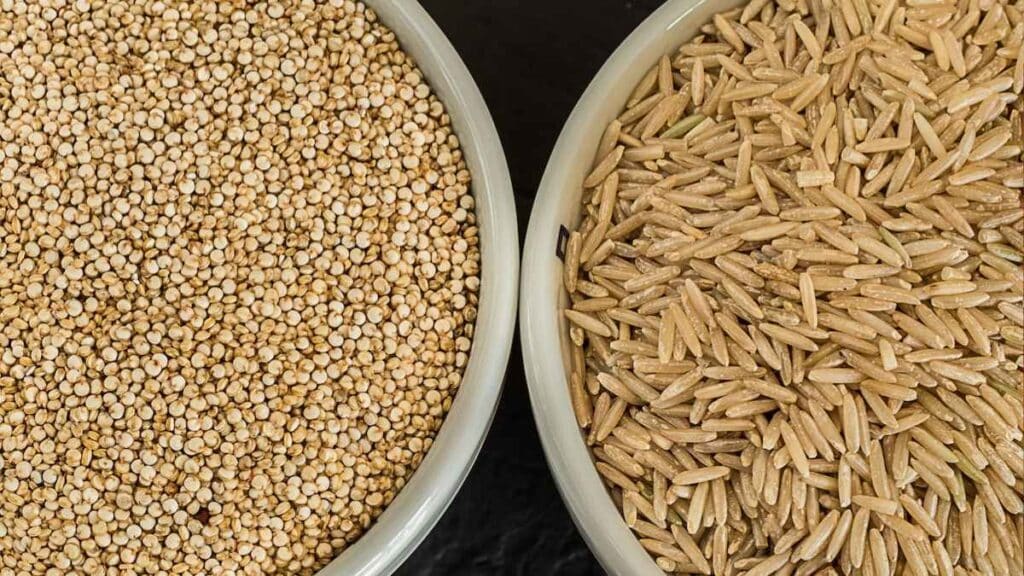
Despite the protein and fiber advantages, quinoa and rice are remarkably similar in total calories and carbohydrate content per cooked cup—both hovering around 200-220 calories with 40-45 grams of carbs. This means neither is a “weight loss” food by default; portion control matters equally for both.
The Glycemic Index Factor: Blood Sugar Control Matters
For India’s approximately 100 million diabetes cases in 2026 (representing about 11% of the adult population according to ICMR data), the glycemic index difference between quinoa and rice is genuinely significant.
Quinoa’s glycemic index: Approximately 53 (low-medium) White rice glycemic index: 70-73+ (high) Brown rice glycemic index: Approximately 55 (medium)
Foods with lower glycemic index values cause slower, more gradual blood sugar rises—preventing the insulin spikes that contribute to diabetes risk and energy crashes.
Postprandial glucose studies (measuring blood sugar after meals) show quinoa sustains energy approximately 2 hours longer than white rice, reducing snack cravings by roughly 30%. This sustained energy matters for everyone, but especially for diabetics managing blood sugar and anyone avoiding the afternoon energy crash.
Brown rice improves significantly over white (GI 55 versus 73), but still edges slightly above quinoa. The tradeoff? Brown rice requires 45 minutes of cooking versus quinoa’s 15 minutes.
Protein Quality: Why “Complete” Matters for Vegetarians and Athletes
The complete protein designation makes quinoa particularly valuable for specific populations:
Vegetarians and vegans: With lysine content approximately 3x higher than rice, quinoa enables muscle synthesis without relying on animal sources. While dal-rice combinations can complete the amino acid profile (which Indians have intuitively combined for generations), quinoa provides that completeness in a single food.
Athletes and fitness enthusiasts: 2026 fitness surveys show approximately 25% of active individuals now prefer quinoa for its carb-protein combination post-workout. The branched-chain amino acids support muscle recovery more effectively than rice alone.
Elderly populations: Quinoa’s amino acid profile combats sarcopenia (age-related muscle loss) approximately 15% more effectively than rice, supporting strength and independence in aging.
Children and pregnant women: The complete protein supports growth and development critical during these life stages.
For general population maintaining weight and health? Rice suffices perfectly well, especially when combined with legumes (dal, beans, lentils) that complete the amino acid profile. Basmati rice even offers unique aromatic compounds that aid digestion.
Cooking, Digestibility, and Practical Meal Prep
Beyond nutrition charts, daily usability matters:
Cooking time:
- Quinoa: 15 minutes, yielding 4x volume
- White rice: 20 minutes
- Brown rice: 45 minutes
Quinoa’s speed advantage matters for weeknight dinners and meal prep efficiency. It also reheats superbly—high-altitude quinoa retains texture better than rice when meal-prepping for the week.
Preparation requirements:
Quinoa requires mandatory rinsing to remove bitter saponins (the natural coating that protects seeds from birds). Skip this step and approximately 10% of first-time users experience digestive upset or off-flavors. Once you know to rinse thoroughly, it’s simple.
Rice preparation varies by type—instant rice varieties sacrifice nutrition for convenience, while proper basmati or brown rice requires specific water ratios and resting time.
Digestibility:
Rice edges ahead for sensitive stomachs and digestive issues. Lower fiber means less bloating and easier digestion for people with IBS, Crohn’s, or recovering from illness.
Quinoa’s higher fiber is beneficial for most people (supporting gut health and regularity) but can initially cause bloating if you’re not accustomed to fiber-rich foods. Gradual introduction prevents discomfort.
These practical factors influence daily grain choices as much as nutrition numbers. The healthiest food is one you’ll actually prepare and eat consistently.
Environmental Considerations: Water, Carbon, and Sustainability
The environmental footprint comparison is complex:
Water usage: Quinoa demands approximately 2x the water rice requires. However, quinoa thrives in drought-resistant Andean conditions where its cultivation makes ecological sense. Rice, by contrast, requires flooding—contributing to critical groundwater depletion. The Punjab groundwater crisis in India exemplifies how rice cultivation can stress water resources unsustainably.
Carbon footprint: Quinoa produces lower methane emissions compared to rice paddies, which generate significant greenhouse gases during flooding cycles.
Sustainable farming practices: Both grains are increasingly cultivated using sustainable methods that narrow the environmental superiority gap. Organic rice farming, alternate wetting and drying techniques, and responsible quinoa sourcing all contribute to reduced impact.
Neither grain is inherently “better” environmentally—local sourcing, farming practices, and water availability in your specific region determine which choice supports sustainability.
What Nutritionists Actually Recommend
Rather than declaring an absolute winner, nutrition experts emphasize context:
Dr. Walter Willett (Harvard): Acknowledges that “Quinoa’s superior protein-fiber profile warrants premium use selectively”—meaning it’s worth incorporating strategically, not necessarily replacing rice entirely.
ICMR 2026 guidelines: Recommend rice as a base for balanced Indian diets, supplemented strategically with alternative grains including quinoa, millets, and others.
Dietitian consensus: Suggests quinoa 3-4 times weekly rotation maximizes benefits cost-effectively. Athletes and diabetics should prioritize quinoa more frequently; general wellness populations can thrive with rice when portion-controlled and combined with legumes.
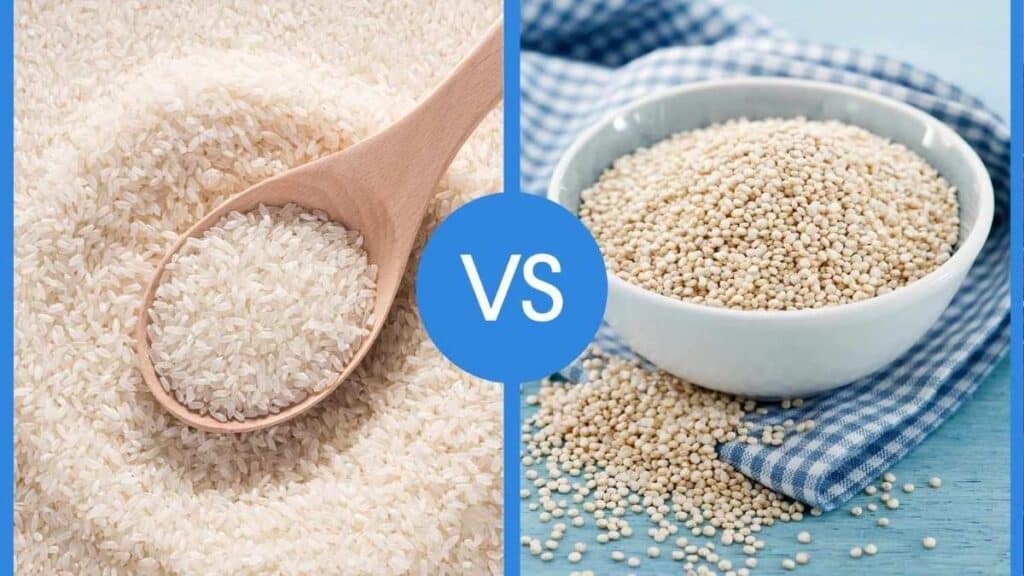
The pattern is clear: Contextual superiority prevails over absolute claims. Your individual health goals, budget, cultural preferences, and medical needs determine which grain deserves prominence on your plate.
Practical Meal Planning: Strategic Combinations That Work
Instead of choosing sides, consider these evidence-based approaches:
For diabetes management:
- Quinoa for 75% of grain-based meals
- Brown rice for remaining 25%
- Always pair with vegetables and protein to further moderate glycemic response
For budget-conscious nutrition:
- Rice on weekdays (affordable staple)
- Quinoa on weekends (nutritional boost)
- Or mix 25% quinoa with 75% rice for daily use
For vegan muscle building:
- Quinoa daily to double protein intake effectively
- Supplement with legumes, nuts, and seeds
- Monitor total amino acid profile across all meals
For general wellness:
- Rotate grains including rice, quinoa, millets, and whole wheat
- Emphasize portion control (½ to ¾ cup cooked grains per meal)
- Prioritize vegetable and protein portions over grain volume
Sample balanced plate:
- ½ cup quinoa + ¼ cup rice creates a nutrition-cost sweet spot
- Pair with dal or legumes, vegetables, and healthy fats
- This hybrid approach leverages both grains’ strengths optimally
Is quinoa’s glycemic index really better than rice?
Yes, significantly. Quinoa’s glycemic index of approximately 53 compared to white rice’s 70-73+ means quinoa causes slower, more gradual blood sugar rises.
Can quinoa help with weight loss better than rice?
Not necessarily. Quinoa and rice have similar calories per cooked cup (200-220 calories). Quinoa’s higher protein and fiber increase satiety, potentially reducing overall calorie intake by helping you feel fuller longer (approximately 20% reduction in overeating according to studies).
