


When Mahashivratri fasting calls for something crispy, satisfying, and completely vrat-friendly, farali batata vada answers that craving perfectly. This beloved Mumbai street food gets a fasting makeover using water chestnut flour and rock salt, creating golden, crunchy potato fritters that honor both tradition and taste. Whether you’re observing the full-day fast or simply want a sattvic snack during the vigil, these vadas deliver comfort without compromising your spiritual practice.
Quick Summary:
Farali Batata Vada is a Mahashivratri fasting recipe made with mashed potato filling and water chestnut flour (singhare ka atta) batter, fried until golden and crispy. This vrat-friendly version uses rock salt instead of regular salt and takes just 35 minutes to prepare, serving 4-5 people.
Table of Contents
What Makes Farali Batata Vada Perfect for Mahashivratri Fasting
Mahashivratri fasting traditions vary across regions and families, but most observe dietary restrictions that eliminate regular grains, table salt, and certain vegetables. Farali batata vada respects these boundaries while delivering the satisfying crunch and warming spices that make food feel like more than just fuel during long fasting hours.
The genius of this recipe lies in its simplicity. Potatoes are universally accepted during vrat observances across India, providing substantial carbohydrates and minerals that sustain energy through the day and night vigil. Unlike regular batata vada that uses besan (chickpea flour) for coating, the farali version employs singhare ka atta—water chestnut flour—which remains permissible during fasting because it comes from a fruit rather than a grain.
For diaspora families observing Mahashivratri abroad, farali batata vada offers a taste of home that’s also practical. The ingredients are increasingly available in Indian grocery stores worldwide, and the cooking method requires no special equipment beyond a kadai or deep pot. The familiar taste connects you to traditions practiced across oceans and time zones, making the fast feel less isolating and more like participation in a shared spiritual practice.
Understanding the Key Farali Ingredients
Water Chestnut Flour (Singhare Ka Atta): The Fasting-Friendly Coating
Water chestnut flour forms the crispy coating that transforms simple potato balls into irresistible vadas. This flour comes from dried and ground water chestnuts, aquatic vegetables that grow in freshwater ponds and marshes. Despite the name, water chestnuts aren’t nuts at all—they’re corms of an aquatic plant, making them acceptable during fasting when nuts and grains are restricted.
Singhare ka atta has a slightly sweet, earthy flavor and creates a delicate crispness when fried. The starch content in water chestnut flour is high, which helps the batter adhere to the potato balls and form that satisfying crunch. Unlike wheat or chickpea flour that can taste heavy or dense when fried, singhare ka atta produces a lighter coating that doesn’t overwhelm the filling.
If you can’t find water chestnut flour, rajgira atta (amaranth flour) serves as an acceptable substitute, though it produces a slightly different texture—a bit denser and more grainy. Some cooks mix both flours half-and-half to balance their properties, creating coating that’s both crispy and substantial.
Rock Salt (Sendha Namak): The Pure Salt for Fasting
Rock salt distinguishes fasting recipes from their everyday counterparts. This unrefined salt comes from ancient sea deposits, mined in crystalline form without the chemical processing that table salt undergoes. For Mahashivratri and other Hindu fasting days, sendha namak is essential—regular iodized salt is considered rajasic (stimulating) and therefore inappropriate for spiritual practices meant to calm the mind and purify the body.
Beyond religious compliance, rock salt tastes different from table salt. It’s milder, slightly mineral, without the sharp, chemical edge that iodized salt can have. This gentler saltiness enhances the potato filling without dominating other flavors, allowing the ginger, chilies, and lemon to shine through. Many people who grew up eating vrat food actually prefer the taste of sendha namak even in non-fasting contexts.
Rock salt contains trace minerals that refined salt lacks—calcium, magnesium, potassium, and iron in small amounts. While these quantities aren’t significant enough to meet daily requirements, they contribute to the overall mineral intake during fasting when your diet is more limited than usual. The pink or grey color of rock salt comes from these mineral impurities, which are actually beneficial rather than harmful.
When using sendha namak, remember it tastes less salty than table salt, so you might need slightly more to achieve the same level of seasoning. Always taste and adjust, especially since salt tolerance varies significantly between individuals and regions.
Potatoes: The Substantial Foundation
Potatoes anchor this recipe both literally and nutritionally. They provide the bulk, the calories, and the satisfying starchiness that makes farali batata vada feel like real food rather than just a snack. During Mahashivratri fasting when you might eat only once or twice during the day, foods that genuinely fill you up become crucial.
The type of potato matters more than you might think. Waxy potatoes with lower starch content hold their shape better when mashed and formed into balls, preventing the vadas from falling apart during frying. Varieties like red potatoes or new potatoes work well. If you’re using starchy potatoes like russets, be gentle when mashing—overworking them releases too much starch and creates gluey texture that makes shaping difficult.
Boiling potatoes properly ensures the right texture for your filling. Start them in cold, salted water (use sendha namak even for boiling water) and cook until a knife slides through easily but they’re not falling apart. Drain immediately and let them steam-dry for a few minutes before peeling and mashing. This extra drying step prevents excess moisture that would make your filling too wet to shape properly.
Potatoes also provide valuable nutrition during fasting. One medium potato contains about 160 calories, 4 grams of protein, significant vitamin C (about 30% of daily needs), B vitamins including B6, and minerals like potassium and magnesium. The resistant starch in cooled, cooked potatoes may also support digestive health and blood sugar regulation.
Recipe Ingredients for Farali Batata Vada
For the Potato Filling:
- 3-4 medium potatoes (boiled, peeled, and mashed)
- 1 tablespoon ghee or peanut oil
- 1 teaspoon cumin seeds (jeera)
- 2-3 green chilies (finely chopped)
- 1 teaspoon fresh ginger (grated)
- 1 tablespoon fresh coriander leaves (chopped)
- 1 teaspoon lemon juice
- Rock salt (sendha namak) to taste
- 1 tablespoon crushed peanuts (optional)
For the Water Chestnut Flour Batter:
- 1 cup water chestnut flour (singhare ka atta) or rajgira flour
- 1/2 teaspoon rock salt (sendha namak)
- 1/4 teaspoon black pepper powder
- Water as needed (approximately 3/4 to 1 cup for thick batter)
For Frying:
- Peanut oil or ghee for deep frying (approximately 2-3 cups)
Preparation Time: 15 minutes
Cooking Time: 20 minutes
Total Time: 35 minutes
Yield: 12-15 vadas (serves 4-5 people)
Cuisine: Indian / Maharashtrian
Diet: Vegetarian / Vrat-Friendly / Sattvic
Step-by-Step Instructions for Perfect Farali Batata Vada
Stage 1: Preparing the Spiced Potato Filling — Time: 10 minutes
Step 1 – Boil and Prepare Potatoes: Boil 3-4 medium potatoes in water with a pinch of sendha namak until completely tender when pierced with a knife, approximately 15-20 minutes depending on size. Drain immediately, let them steam for 2-3 minutes to remove excess moisture, then peel while still warm and mash thoroughly using a potato masher or fork. Ensure no lumps remain, as smooth filling shapes better and creates more uniform vadas.
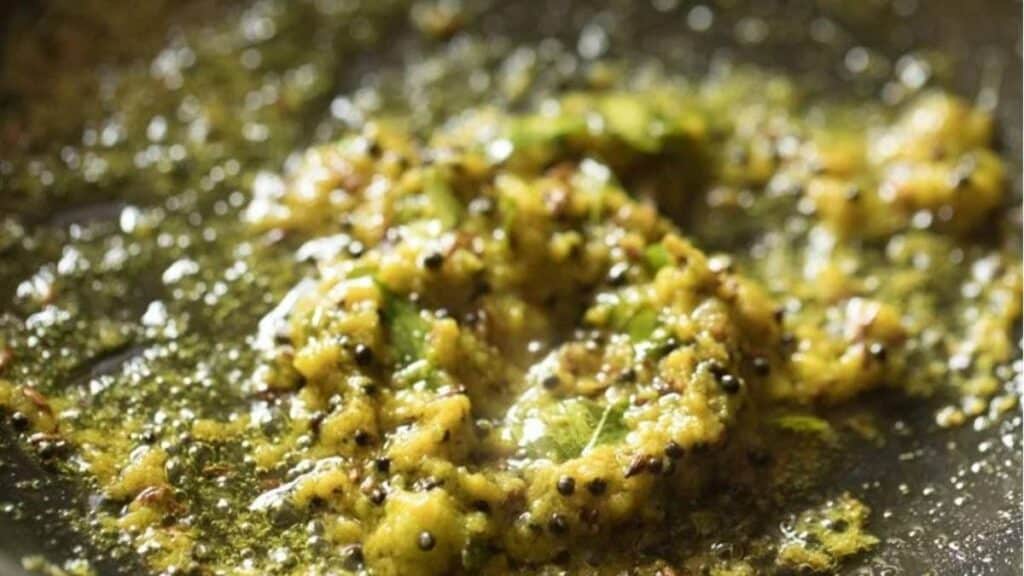
Step 2 – Create the Tempering: Heat 1 tablespoon of ghee or peanut oil in a pan over medium heat. Once the ghee shimmers or the oil is hot but not smoking, add 1 teaspoon of cumin seeds. Let them sizzle and crackle for about 15-20 seconds until they release their nutty aroma and darken slightly in color. This tempering process releases the essential oils in cumin that will flavor your entire filling.
Step 3 – Add Aromatics: Add 2-3 finely chopped green chilies and 1 teaspoon of grated fresh ginger to the sizzling cumin. Sauté these aromatics for 30-45 seconds, stirring constantly to prevent burning. The raw, sharp smell of ginger should mellow into something warmer and more fragrant. If you’re including crushed peanuts for extra texture and protein, add them at this stage and toast them for 20-30 seconds until they smell nutty.
Step 4 – Combine with Potatoes: Add your mashed potatoes to the pan along with rock salt to taste (start with about 3/4 to 1 teaspoon and adjust). Add 1 tablespoon of chopped fresh coriander leaves. Mix everything together thoroughly, breaking up any remaining potato lumps and ensuring the spices distribute evenly throughout the mixture. Cook this combined mixture for 2-3 minutes, stirring occasionally, allowing the flavors to meld and any excess moisture to evaporate.
Stage 2: Preparing the Water Chestnut Flour Batter — Time: 5 minutes
Step 5 – Mix Dry Ingredients: In a medium-sized mixing bowl, combine 1 cup of singhare ka atta (water chestnut flour), 1/2 teaspoon of rock salt, and 1/4 teaspoon of black pepper powder. Whisk these dry ingredients together thoroughly to distribute the seasonings evenly throughout the flour. This initial mixing prevents pockets of unseasoned batter that could leave some vadas bland while others are over-salted.
Step 6 – Add Water Gradually: Begin adding water to your flour mixture, starting with about 1/2 cup. Whisk continuously as you add water to prevent lumps from forming. The goal is a batter that’s thick enough to coat the potato balls generously without being so thin that it drips off immediately. Think of pancake batter consistency, or perhaps slightly thicker—the batter should coat the back of a spoon and slowly drip off rather than running off quickly.
Stage 3: Frying to Golden Perfection — Time: 15-20 minutes
Step7 – Heat the Oil: Pour peanut oil or ghee into a deep kadai, wok, or heavy-bottomed pot to a depth of about 2-3 inches. Heat over medium-high flame until the oil reaches approximately 350-375°F (175-190°C). To test without a thermometer, drop a tiny bit of batter into the oil—if it sizzles immediately and rises to the surface within 2-3 seconds without browning instantly, your oil is ready. If the batter sinks and takes a long time to rise, the oil is too cool. If it browns instantly, the oil is too hot and needs to cool slightly.
Step 8 – Coat Potato Balls: Once your oil reaches the right temperature, reduce the flame to medium to maintain steady heat. Take one potato ball and hold it by gently pinching between your thumb and fingers. Dip it into the batter, turning it to ensure complete coverage on all sides. The batter should coat the ball evenly in a layer thick enough to see but not so thick that it drips excessively. Let any excess batter drip back into the bowl for a moment.
Step 9 – Fry in Batches: Gently slide the batter-coated ball into the hot oil, being careful not to drop it from a height as this can cause splashing. Repeat with 3-4 more balls depending on the size of your kadai—don’t overcrowd the pan as this drops the oil temperature and results in greasy, soggy vadas. The vadas should have enough space to move freely and not stick to each other.
Step 10 – Monitor and Flip: As soon as you add the vadas to the oil, they’ll sink briefly then float to the surface. Use a slotted spoon to gently move them around in the oil, ensuring even browning. After about 1-1/2 to 2 minutes, when the bottom side has turned golden brown, carefully flip each vada to cook the other side. Continue frying, flipping occasionally, for a total of 4-5 minutes until all sides are evenly golden brown and crispy.
Why This Recipe Works for Mahashivratri Observances
Mahashivratri fasting isn’t just about restricting food—it’s about choosing foods that support your spiritual practice while nourishing your body through a demanding day and night of prayer, meditation, and vigil. Farali batata vada succeeds on both counts. The ingredients align perfectly with vrat guidelines observed across most Hindu traditions, using only permissible flours, rock salt instead of regular salt, and avoiding grains, lentils, and the vegetables typically restricted during fasting.
The warm spices serve a practical digestive purpose during fasting. Cumin, ginger, and black pepper all stimulate digestive fire (agni in Ayurvedic terms), helping your body process food efficiently even when eating at irregular intervals. The lemon juice adds vitamin C and helps with mineral absorption, particularly important when your diet is more limited than usual. These aren’t just flavor additions—they’re functional ingredients that support your body’s adaptation to the fasting state.
Perhaps most importantly, farali batata vada provides the psychological satisfaction that makes fasting sustainable. Restriction is easier when the permitted foods actually taste good and feel satisfying. These vadas deliver real flavor, real texture, real pleasure—they don’t taste like punishment or deprivation but rather like a treat you’re choosing to enjoy within your spiritual practice.

Common Mistakes and How to Avoid Them
Wet, Sticky Potato Filling That Won’t Shape
The most common issue with farali batata vada is potato filling that’s too wet to shape properly. This usually happens when potatoes contain excess moisture from boiling, or when the filling isn’t cooked long enough to evaporate moisture from the tempering. The solution involves multiple steps. First, after boiling and draining potatoes, let them steam for several minutes in the colander—this evaporation removes surface moisture. Second, when sautéing the filling with spices, cook it for the full 2-3 minutes to drive off liquid. Third, let the mixture cool completely, which allows it to firm up significantly. If your filling still feels wet after cooling, you can add a tablespoon of singhare ka atta or rajgira atta to absorb excess moisture and improve binding.
Batter Too Thin or Too Thick
Batter consistency determines whether your vadas have perfect crispy coating or end up greasy and soggy. Too-thin batter drips off the potato balls, leaving patchy coverage and allowing direct contact between potato and oil that results in greasiness. Too-thick batter creates a heavy, doughy coating that stays gummy inside even when the outside browns. The fix requires patience and gradual adjustment. Add water to your flour very slowly, whisking constantly and checking consistency frequently. Remember that water chestnut flour absorbs liquid differently than wheat flour—it may seem like the batter isn’t thickening, then suddenly it will come together. If you accidentally make it too thin, don’t just dump in more flour or you’ll get lumps. Instead, whisk together a separate small batch of flour and water to the right consistency, then gradually add it to your too-thin batter.
Oil Temperature Problems
Oil that’s too cool absorbs into the vadas, making them heavy, greasy, and limp instead of light and crispy. Oil that’s too hot burns the exterior before the inside heats through properly, creating vadas that look done but have an unpleasantly raw-tasting batter layer just beneath the surface. Maintaining proper oil temperature requires attention and adjustment throughout frying. Use a thermometer if you have one, maintaining 350-375°F. Without a thermometer, rely on visual cues—proper temperature oil will immediately bubble actively around the vada when it’s dropped in, and the vada will slowly rise to the surface while beginning to brown gently. Between batches, turn heat up slightly to compensate for the temperature drop that occurs when you add cold vadas, then reduce heat once they’re frying. Don’t try to rush frying by using very high heat—moderate, steady heat produces better results.
CHECK MORE ON:Hyderabadi Kadhi Pakora Recipe: Authentic Yogurt Curry in 45 Minutes
Variations to Try After Mastering the Basic Recipe

Herb-Infused Filling
Once you’re comfortable with the basic farali batata vada, experiment with additional herbs for more complex flavor. Add finely chopped fresh mint leaves along with coriander for cooling, refreshing notes.
Spice Variations
While green chilies and black pepper provide the primary heat in traditional recipes, you can adjust the spice profile to suit your preference or regional tradition. Add a pinch of dried mango powder (amchur) along with lemon juice for extra tanginess.

Sweet Potato Version
For a nutritional and flavor variation, replace half the regular potatoes with boiled, mashed sweet potatoes. The natural sweetness of sweet potatoes creates interesting contrast with the savory spices, and the orange color makes the vadas visually appealing
Storing and Reheating Farali Batata Vada
While farali batata vada tastes infinitely better fresh from the oil, you can prepare components ahead or store leftovers with reasonable results. The potato filling stores excellently in the refrigerator for up to 2 days. Prepare it completely, let it cool, then store in an airtight container. When ready to make vadas, let the filling come to room temperature before shaping—cold filling is harder to shape smoothly and the extreme temperature difference when it hits hot oil can cause spattering.
You can shape the potato balls and refrigerate them for several hours before frying. Place shaped balls on a plate, cover with plastic wrap, and refrigerate for up to 6 hours. This actually works quite well—the refrigerated balls firm up nicely and hold their shape even better during frying. Let them sit at room temperature for 10-15 minutes before coating with batter and frying.
Already-fried vadas can be stored in the refrigerator for up to 2 days, though they’ll lose their crispness. To reheat and restore some crispness, place them in a preheated 375°F (190°C) oven for 8-10 minutes, or use an air fryer at 350°F (175°C) for 5-7 minutes. These methods won’t perfectly recreate fresh-fried texture, but they’re far superior to microwave reheating, which makes the coating soggy and rubbery. If you must use a microwave, heat only for 30-45 seconds and accept that the texture will be soft rather than crispy.
You can also freeze completely cooled vadas in a single layer on a baking sheet, then transfer to a freezer bag once frozen solid. They’ll keep for up to a month. Reheat from frozen in a 375°F oven for 12-15 minutes, or let them thaw in the refrigerator overnight and reheat as described above.
