


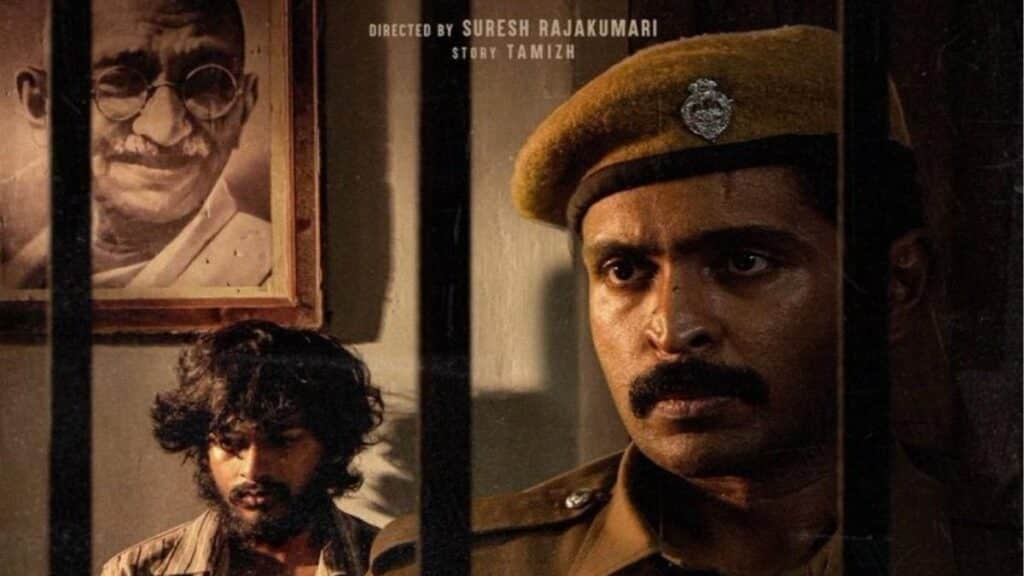
The 2025 Tamil film “Sirai” has captivated audiences with its gritty, realistic portrayal of India’s police and judicial systems. Viewers watching the tense journey of a head constable escorting an undertrial prisoner have wondered whether the events depicted actually happened, and the answer reveals fascinating insights into how personal experience transforms into cinematic storytelling.
Quick Summary:
Yes, Sirai is based on a true story from writer-director Tamizh’s 12 years as a police officer. The film dramatizes a real incident of escorting an undertrial prisoner from Vellore to Sivagangai, incorporating authentic details of police procedures, systemic issues, and religious bias while taking creative liberties with characters and dialogue.
Sirai True Story: The Real-Life Foundation
Yes, Sirai is inspired by true events, specifically drawing from writer-director Tamizh’s personal experiences during his 12 years of service in the Tamil Nadu police force. The film’s authenticity stems from Tamizh’s firsthand knowledge of police procedures, systemic challenges, and the human dynamics that play out within India’s law enforcement and judicial systems.
Key True Story Elements:
- Central premise based on real prisoner escort incident
- Writer Tamizh served 12 years in Tamil Nadu police
- Authentic details from firsthand police experience
- Explores actual systemic issues witnessed during service
- Core situation rooted in genuine event from Tamizh’s career
The central premise of the film—a head constable tasked with escorting an undertrial prisoner from one location to another—is rooted in a genuine incident that Tamizh experienced or witnessed during his police career. This real-life foundation gives Sirai its distinctive sense of authenticity that sets it apart from purely fictional police dramas that rely on cinematic conventions rather than lived experience.
However, it’s important to understand that Sirai represents a “true story-inspired drama” rather than a documentary recreation. While the core incident and the world it depicts are grounded in reality, Tamizh took creative liberties with characters, specific dialogue, and dramatic situations to craft a compelling narrative that explores larger themes about justice, prejudice, and institutional dysfunction.
Tamizh’s Background: From Police Officer to Filmmaker
Understanding Tamizh’s unique background is essential to appreciating how Sirai bridges the gap between documentary realism and dramatic storytelling. Before becoming a filmmaker, Tamizh served in the Tamil Nadu police force for 12 years, gaining intimate knowledge of how the system actually functions beyond what civilians typically see or imagine.
Tamizh’s Dual Career:
- Police Service: 12 years in Tamil Nadu police force
- Insider Knowledge: Direct experience with procedures and corruption
- Career Transition: From officer to filmmaker
- Unique Perspective: Lived the reality he now depicts on screen
- Collaborative Writing: Co-wrote script with director Suresh Rajakumari
During his tenure as a police officer, Tamizh witnessed countless situations that revealed both the dedication and the dysfunction within the system. He experienced the daily grind of paperwork, the minor corruptions that become normalized, the pressure officers face from superiors and politicians, and the moments when personal conscience clashes with institutional expectations. These experiences became the raw material for Sirai’s narrative.
The transition from police officer to filmmaker represents an unusual career path that gives Tamizh credibility few other directors possess when depicting law enforcement. He doesn’t need to rely on research, consultants, or imagination to portray police procedures—he lived them. This insider perspective allows Sirai to capture details that ring true to anyone familiar with the system while revealing realities that might surprise general audiences.
The Real Incident: Escorting an Undertrial Prisoner
The specific incident that inspired Sirai involved the transportation of an undertrial prisoner—a person accused of a crime but not yet convicted—from Vellore to Sivagangai, two cities in Tamil Nadu separated by several hundred kilometers. This seemingly routine police duty forms the narrative backbone of the film.
The Vellore to Sivagangai Journey:
- Starting Point: Vellore (northern Tamil Nadu)
- Destination: Sivagangai (southern Tamil Nadu)
- Distance: Approximately 350-400 kilometers
- Duration: Several hours by road or rail
- Context: Routine prisoner transfer for legal proceedings
In the Indian judicial system, undertrial prisoners often need to be transported between facilities for court appearances, transfers, or other legal proceedings. These journeys typically involve one or more police officers escorting the prisoner, sometimes by train or vehicle, through public spaces where the boundary between law enforcement authority and civilian life becomes blurred.
The real incident that Tamizh experienced involved the complexities that can arise during such escorts. The journey becomes more than simple transportation—it transforms into a confined space where the officer and prisoner, stripped of their usual institutional contexts, must interact as human beings. Questions arise about the prisoner’s guilt or innocence, the circumstances that led to the arrest, and whether the system is serving justice or perpetuating injustice.
According to Frontline Magazine, Tamizh drew specifically from this escorting experience to create the film’s central situation. The confined timeframe of a prisoner transport creates natural dramatic tension while allowing the filmmaker to explore larger systemic issues through the microcosm of this single journey.
What Makes Sirai Authentic: Insider Details
Sirai’s authenticity extends beyond the central incident to encompass the entire ecosystem of police work as portrayed in the film. Tamizh’s 12 years of experience allowed him to incorporate details that give the film a documentary-like quality in its depiction of how the system actually operates.
Paperwork and Bureaucracy
One of the most authentic elements of Sirai is its attention to the mundane administrative aspects of police work that rarely appear in mainstream cinema.
Authentic Bureaucratic Elements:
- Constant paperwork and documentation requirements
- Forms requiring multiple authority signatures
- Administrative delays affecting urgent matters
- Protocol compliance over efficiency
- Bureaucratic navigation as core police skill
These details might seem minor, but they contribute significantly to the film’s realism. Tamizh understands that much of police work involves navigating bureaucracy rather than dramatic confrontations, and this reality shapes how officers approach their duties and how the system functions—or fails to function—efficiently.
Exploring Systemic Issues: Religious Bias and Prejudice
Beyond procedural authenticity, Sirai uses its true story foundation to explore systemic issues within India’s criminal justice system, particularly religious bias and how prejudice influences police behavior, investigation priorities, and judicial outcomes.
Religious Bias Themes:
- How religious identity affects treatment by the system
- Prejudice from arrest through trial
- Communal tensions within criminal justice
- Equality under law questioned
- Institutional pressures reinforcing bias
The film examines how an accused person’s religious identity can affect how they’re treated by the system, from initial arrest through trial. This theme connects to broader conversations about communal tensions in India and whether the justice system treats all citizens equally regardless of their faith background.
Tamizh’s decision to incorporate this theme suggests that the real incident that inspired Sirai involved religious dimensions that illuminated larger patterns of bias within the system. By grounding this exploration in a specific, authentic experience rather than abstract theorizing, the film makes its social commentary more powerful and difficult to dismiss as purely political.
The film doesn’t offer simple solutions to these systemic problems but rather exposes them through the journey of characters who must confront their own prejudices and the institutional pressures that reinforce bias. This approach reflects Tamizh’s insider understanding that change requires acknowledging uncomfortable truths about how the system actually operates.
Creative Liberties: Fiction Within the True Story Framework
While Sirai is based on true events, it’s important to understand the creative liberties Tamizh and director Suresh Rajakumari took to transform a real incident into compelling cinema. These fictional elements don’t diminish the film’s authenticity but rather allow it to explore truths that strict documentary adherence might obscure.
Fictionalized Characters
The characters in Sirai, including Head Constable Kathiravan played by Vikram Prabhu and the young accused Abdul Rauf portrayed by LK Akshay Kumar, are fictional creations rather than direct representations of real individuals.
Why Characters Are Fictionalized:
- Protects privacy of real people involved
- Allows shaping for maximum dramatic impact
- Avoids potential legal issues from depicting real cases
- Enables thematic exploration beyond actual events
- Creates composite characters representing broader types
Tamizh likely drew on characteristics from multiple people he encountered during his police service, creating composite characters that represent types of people within the system rather than specific individuals.
Dramatic Situations and Dialogue
While the core situation of escorting a prisoner from Vellore to Sivagangai comes from real experience, specific confrontations, conversations, and dramatic turns in Sirai are crafted for cinematic effect. The dialogue, in particular, represents the screenwriter’s interpretation of what such interactions might involve rather than transcriptions of actual conversations.
These creative liberties allow the film to compress time, heighten tension, and explore philosophical questions about justice and innocence in ways that enhance the viewing experience while remaining emotionally and thematically true to the real experiences that inspired the story.
Enhanced Tension and Stakes
Films typically need to raise stakes beyond what real life might provide to maintain audience engagement throughout their runtime.
Cinematic Enhancements:
- Amplified obstacles and complications
- Compressed timeline for narrative efficiency
- Heightened dramatic confrontations
- Added complications not in original incident
- Cinematically satisfying narrative arc
These enhancements don’t make the film “untrue” in a meaningful sense. Rather, they represent the difference between journalism and art, where the goal isn’t perfect factual accuracy but rather emotional and thematic truth that resonates with audiences and prompts reflection on real issues.
Why True Story Foundations Matter for Sirai
The fact that Sirai is based on true events rather than pure fiction significantly impacts how audiences receive and interpret the film. True story foundations create different viewing expectations and emotional responses than entirely fictional narratives.
Credibility for Social Commentary
When a film critiques systemic problems like religious bias or police dysfunction, viewers might dismiss fictional examples as exaggerated or unrepresentative.
Why Truth Matters:
- Real events harder to dismiss as exaggerated
- Insider critique carries moral authority
- Not external judgment from ignorance
- Witnessed failures firsthand
- Makes social commentary urgent and credible
Sirai’s grounding in real experience makes its social commentary harder to ignore, as audiences understand that these situations actually occur rather than existing only in a screenwriter’s imagination.

Emotional Impact
Knowing that events depicted in Sirai actually happened—even if specific details are fictionalized—creates deeper emotional engagement. The questions raised about the accused man’s innocence or guilt become more urgent when viewers understand that real people faced similar situations and that the outcomes mattered beyond entertainment value.
The true story foundation also encourages viewers to connect Sirai’s events to broader patterns in society. Rather than viewing it as an isolated fictional scenario, audiences are prompted to consider how many similar situations might be occurring in the real criminal justice system at this moment.
Educational Value
Films based on true events often serve educational functions beyond entertainment.
What Viewers Learn:
- Procedural details of police work
- Bureaucratic obstacles in the system
- Informal arrangements and compromises
- How the system actually operates
- Realities diaspora families face
The length of the journey provides time for conversations to develop, for assumptions to be challenged, and for the complexity of the situation to emerge. A shorter trip might not allow for the character development and relationship evolution that drives Sirai’s narrative, while a longer journey might test audience patience beyond what the story can sustain.
