


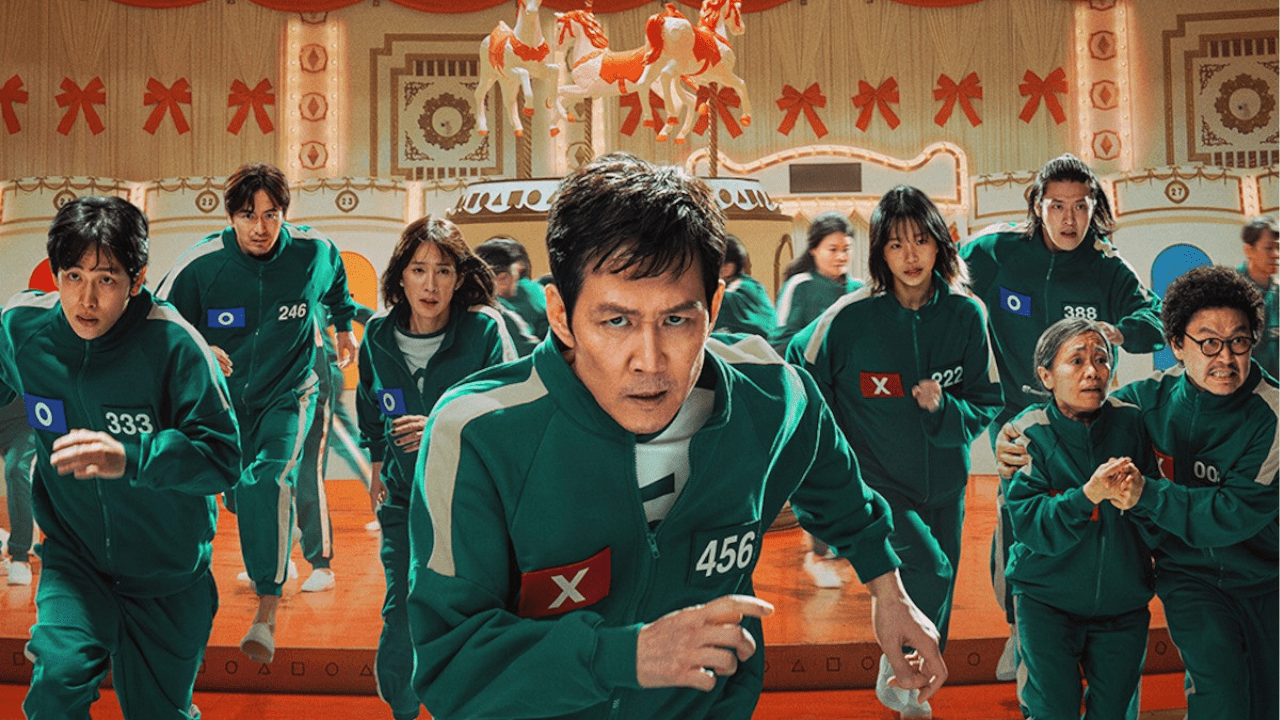
When Squid Game exploded onto the global stage in 2021, viewers were captivated by its brutal, high-stakes survival games and its razor-sharp critique of economic inequality. But was this dystopian drama purely fiction, or did it draw from real events? The answer lies in the turbulent history of South Korea’s labor movement—specifically, the infamous 2009 Ssangyong Motor strike.
The Real Story: Ssangyong Motor Strike, 2009
In 2009, Ssangyong Motor, a major South Korean car manufacturer, announced mass layoffs of over 2,600 workers—nearly 40% of its workforce—after filing for bankruptcy under its Chinese parent company. The layoffs triggered a 77-day occupation of the Pyeongtaek factory by the dismissed workers. Supported by labor unions and family members, the workers fortified the plant, demanding job security and an end to outsourcing.
The standoff quickly escalated into one of the most violent labor disputes in South Korea’s recent history. Riot police, equipped with water cannons, helicopters, and electroshock weapons, besieged the factory. Workers, armed with slingshots and makeshift barricades, resisted fiercely. The siege cut off access to food, water, and medical supplies, turning the factory into a battleground. The aftermath was devastating: dozens of workers were jailed, hundreds prosecuted, and more than 30 workers and family members died from suicide or stress-related illnesses in the years that followed.
How the Strike Inspired Squid Game
Hwang Dong-hyuk, the creator and director of Squid Game, has openly acknowledged that the character of Seong Gi-hun was inspired by the real-life struggles of Ssangyong workers. The despair, uncertainty, and social exclusion faced by the laid-off employees deeply influenced the show’s central themes. Hwang wanted to channel the trauma and desperation he witnessed during the strike into a narrative that would resonate with viewers worldwide.
The show’s depiction of ordinary people, driven to the edge by debt and economic hardship, mirrors the plight of the Ssangyong workers. In both cases, individuals are forced into life-or-death situations by a system that seems rigged against them. The games in Squid Game become a metaphor for the high-stakes, no-win choices faced by those at the bottom of the economic ladder.
Fact vs. Fiction
While Squid Game is not a documentary and its deadly competition is fictional, the emotional and social realities it portrays are rooted in true events. The show’s success has sparked global conversations about inequality, debt, and the human cost of economic crises—issues that were at the heart of the Ssangyong strike.
The Legacy of the Strike
The Ssangyong Motor strike left a lasting scar on South Korea’s labor history. Years of legal battles, financial ruin, and psychological trauma followed for many involved. Even after a partial settlement and some workers being rehired, the pain and injustice lingered, serving as a stark reminder of the real-world stakes behind Squid Game’s fictional horrors.
Squid Game is not a direct retelling of a true story, but its roots are firmly planted in the real-life struggles of South Korean workers—most notably, the 2009 Ssangyong Motor strike. Hwang Dong-hyuk transformed this history of desperation and resistance into a global phenomenon, using fiction to shine a light on truths that are all too real.
