


Mahashivratri fasting calls for sattvic, nourishing meals that honor Lord Shiva while keeping you energized through the day and night vigil. Kuttu ka dosa—crispy buckwheat crepes seasoned with rock salt and aromatic spices—offers the perfect balance of taste and tradition for your Mahashivratri vrat.
Quick Summary
Kuttu ka dosa is a protein-rich, gluten-free fasting recipe made from buckwheat flour, curd, and rock salt. This simple dish provides sustained energy during Mahashivratri while adhering to vrat guidelines, and it’s lighter and easier to digest than traditional kuttu pooris.
Table of Contents
Why Kuttu Ka Dosa Is Perfect for Mahashivratri Fasting
Mahashivratri fasting follows specific dietary restrictions that eliminate grains, regular salt, and certain vegetables. Kuttu (buckwheat) naturally fits vrat guidelines because it’s technically a seed rather than a grain, making it completely permissible during religious fasts. The flour carries a nutty, earthy flavor that pairs beautifully with the simplicity of rock salt and fresh curd.
Beyond religious compliance, kuttu ka dosa offers practical advantages for the long Mahashivratri fast. Buckwheat is remarkably protein-dense, providing approximately 13-15 grams of protein per 100 grams of flour. This protein content rivals many lentils and helps maintain steady energy levels throughout your vigil. The complex carbohydrates in buckwheat digest slowly, preventing the energy crashes that often accompany fasting days.
The dosa format itself deserves appreciation here. Unlike deep-fried kuttu pooris that can feel heavy after the first few pieces, these thin crepes are light on the stomach while remaining deeply satisfying. During a festival that often involves staying awake through the night for prayers and bhajans, digestive comfort becomes crucial. A well-made kuttu ka dosa gives you nourishment without the sluggishness that heavier fried foods can bring.
Ingredients
- 1 cup kuttu atta (buckwheat flour)
- 1/4 cup singhara atta (water chestnut flour)
- 1/2 cup fresh curd (whisked)
- Sendha namak (rock salt) to taste
- 1–2 green chilies (finely chopped)
- 1 tsp grated ginger
- 1/2 tsp cumin seeds
- Water as needed for batter consistency
- Ghee or oil for cooking
Understanding the Key Ingredients and Their Spiritual Significance
Each ingredient in kuttu ka dosa serves both nutritional and ritual purposes during Mahashivratri. The thoughtful combination creates a meal that honors fasting traditions while supporting your body through the spiritual practice.
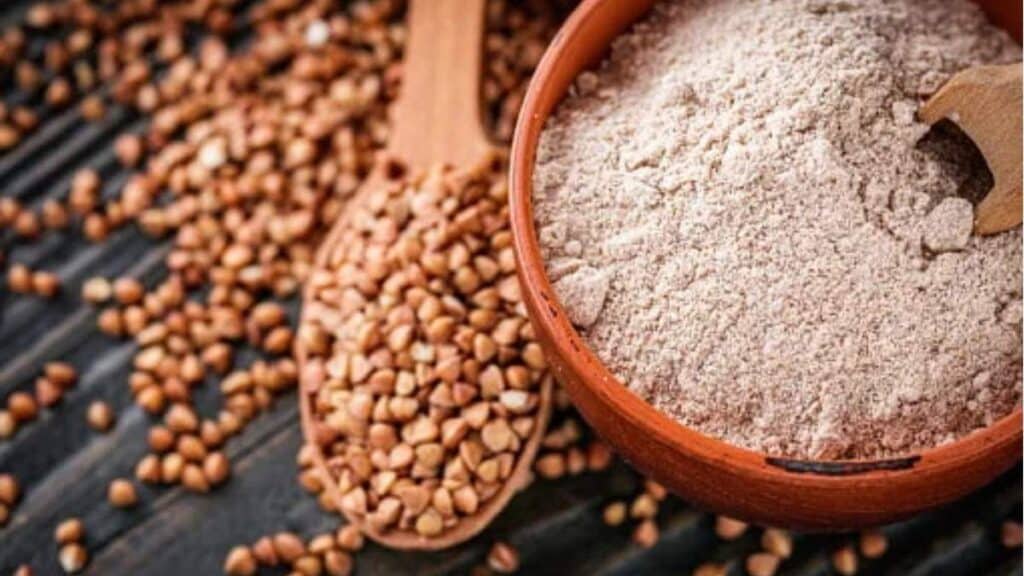
Kuttu Atta (Buckwheat Flour): The Foundation
Buckwheat flour forms the heart of this recipe, bringing a distinctive grayish color and slightly earthy taste that devotees associate with fasting foods. Despite its name, buckwheat contains no wheat whatsoever
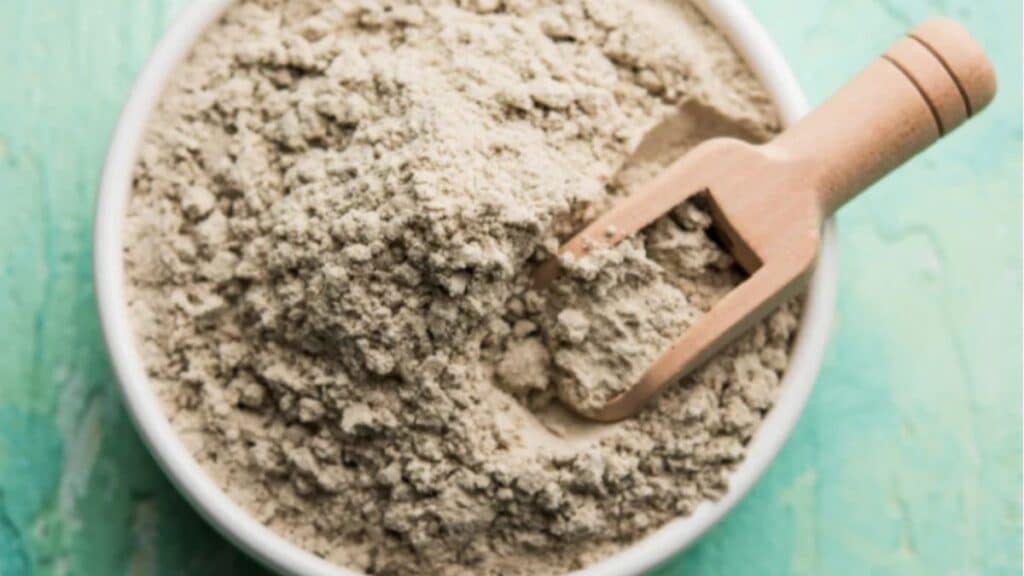
Singhara Atta (Water Chestnut Flour): The Binding Agent
Water chestnut flour plays a supporting but crucial role in achieving the perfect dosa texture. While optional in some recipes, adding about ¼ cup of singhara atta to your batter significantly improves binding and creates that sought-after crispy edge.
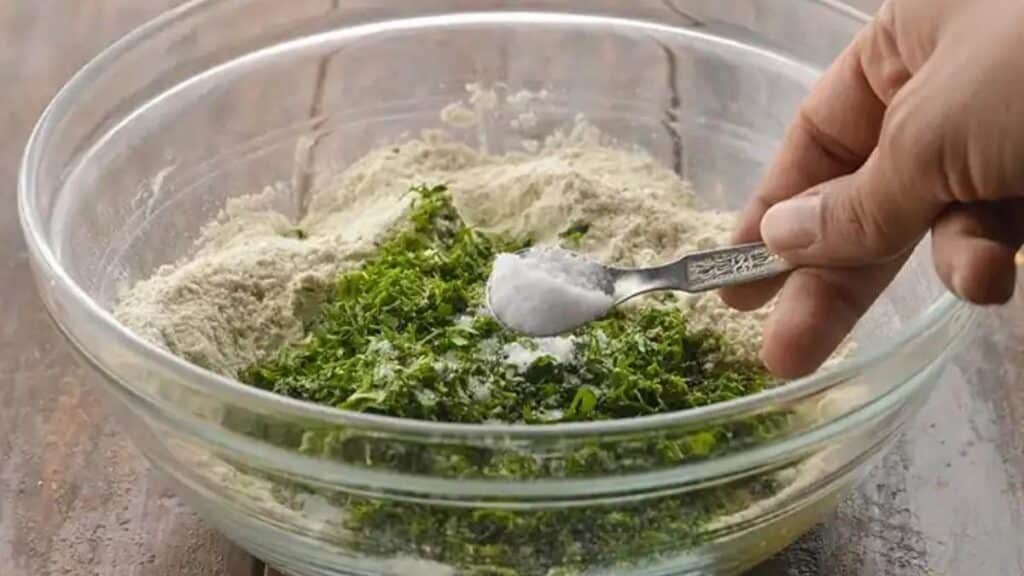
Curd and Rock Salt: Tradition Meets Nutrition
Fresh curd (dahi) serves multiple purposes in this recipe beyond just liquid content. The natural fermentation in curd introduces beneficial bacteria that aid digestion, particularly important when your eating patterns are disrupted by fasting.
Step-by-Step Instructions for Perfect Kuttu Ka Dosa
Making kuttu ka dosa requires patience and attention to detail, but the process itself is straightforward once you understand the key techniques. The batter preparation determines much of your success, so invest time in getting this foundation right.
Preparing the Batter with Proper Consistency
Start by taking one cup of kuttu atta in a large mixing bowl. If you’re using singhara atta for better binding, add ¼ cup now and whisk the dry flours together to distribute them evenly. This initial mixing prevents lumps later when you add the wet ingredients.
Add half a cup of fresh, well-whisked curd to the flour mixture. The whisking aerates the curd and helps it incorporate more smoothly into the flours. If you prefer using buttermilk instead, you’ll need about one cup since buttermilk is thinner than curd. Some families use slightly sour leftover curd for extra tang—this works beautifully and adds depth to the flavor.
Now add your sendha namak to taste. Most recipes call for about ½ to ¾ teaspoon, but salt tolerance varies greatly between individuals and regions. Remember that you can always add more salt later if needed, so start conservatively. Add the half teaspoon of cumin seeds, and if you’re including them, add your finely chopped green chilies (1-2 pieces) and one teaspoon of grated fresh ginger.
The ideal batter should flow easily from your ladle but leave a thin coating on the back of a spoon. It needs to be thinner than traditional dosa batter made from rice and lentils, closer to pancake batter in consistency. If you can draw a line through the batter on your spoon and it slowly flows back together, you’ve reached the right thickness. You’ll likely use between one to one and a half cups of water total, though this varies based on the flour’s absorption capacity.
Let the prepared batter rest for 10-15 minutes before making dosas. This resting period allows the flours to fully hydrate and the flavors to meld. The batter will thicken slightly during this time—if it becomes too thick, whisk in a tablespoon or two of water to restore the flowing consistency.
Cook Time for Kuttu Dosa
- Preparation Time: 10 minutes
- Resting/Fermentation Time: 20–30 minutes
- Cooking Time: 10–15 minutes
- Total Time: 40–55 minutes
Per Dosa Cooking Time
- One side: 1½–2 minutes
- Flip & cook: 1–1½ minutes
- Total per dosa: ~3 minutes
Tip: Cook kuttu dosa on medium heat for even cooking and crisp edges without burning.
Creating the Optional Potato Filling
While plain kuttu ka dosa tastes delicious with just chutney, the potato filling transforms this into a more substantial meal that can sustain you through extended fasting periods. Boil 2-3 medium potatoes until completely tender, then peel and mash them while still warm. Warm potatoes mash more smoothly and absorb seasonings better than cold ones.
Heat one tablespoon of ghee in a pan over medium heat. Ghee is preferable to oil for Mahashivratri since it’s considered more sattvic, though you can use fasting-appropriate oils if needed. Add one teaspoon of grated ginger and one finely chopped green chili to the hot ghee. Let them sizzle for 15-20 seconds until fragrant—this brief tempering releases the aromatics without burning them.
Add your mashed potatoes to the pan along with sendha namak to taste and ¼ teaspoon of freshly ground black pepper. The black pepper adds warmth and aids digestion, complementing the cooling nature of potatoes. Sauté this mixture for 2-3 minutes, stirring frequently to prevent sticking. The potatoes will absorb the ghee and seasonings, developing a cohesive filling that holds together when you fold your dosa.
Remove from heat and stir in 2-3 tablespoons of finely chopped fresh coriander leaves. The bright green herbs add color, freshness, and a subtle citrusy note that balances the starchy potatoes. Set this filling aside and keep it warm while you prepare your dosas.
Cooking Technique for Crispy, Golden Dosas
Heat a non-stick tawa or well-seasoned cast-iron griddle over medium heat. The choice of cookware matters significantly for kuttu ka dosa—kuttu flour contains less binding strength than rice-based dosa batters, making it more prone to sticking. A good non-stick surface or a properly seasoned cast-iron pan becomes essential for success.
Test the tawa temperature by sprinkling a few drops of water on the surface. If the water sizzles and evaporates within 2-3 seconds, your tawa is ready. If the water just sits there, the surface is too cool; if it evaporates instantly with vigorous sputtering, it’s too hot. Getting this temperature right prevents dosas that stick or cook unevenly.
Grease the tawa lightly with ghee or oil using a paper towel or half a potato. Some cooks keep a cut potato specifically for greasing the tawa during fasting—it distributes the fat evenly while adding a subtle potato essence to the cooking surface.
Pour a ladleful of batter (approximately ⅓ to ½ cup) in the center of the tawa. Immediately use the back of your ladle to spread the batter outward in a circular motion, starting from the center and moving in concentric circles toward the edges. Work quickly but gently—kuttu batter sets faster than regular dosa batter, so you have perhaps 10-15 seconds to spread it before it begins to cook.
Don’t worry about achieving perfectly circular shapes, especially when you’re learning. Rustic, organic shapes taste just as good and carry their own homestyle charm. Focus instead on achieving even thickness throughout—thin dosas crisp up beautifully while thick patches can remain soft or gummy.
Once spread, drizzle about one teaspoon of ghee or oil around the edges of the dosa and a little on top. This fat seeps underneath as the dosa cooks, creating that golden, crispy texture that makes kuttu ka dosa so appealing. Reduce your heat to medium-low at this point to allow the dosa to cook through without burning.
Watch for visual cues that indicate readiness. The edges will begin to lift away from the tawa and turn golden brown. The surface will lose its wet, glossy appearance and develop a slightly matte finish. Small bubbles may form and pop across the surface. This entire process takes 2-3 minutes depending on your heat level and dosa thickness.
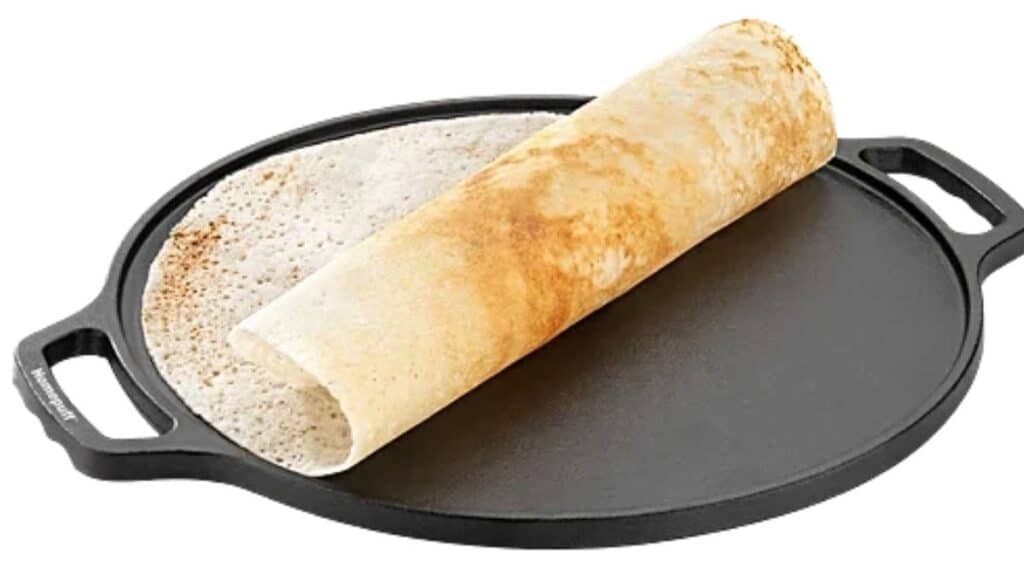
Serving Suggestions and Traditional Accompaniments
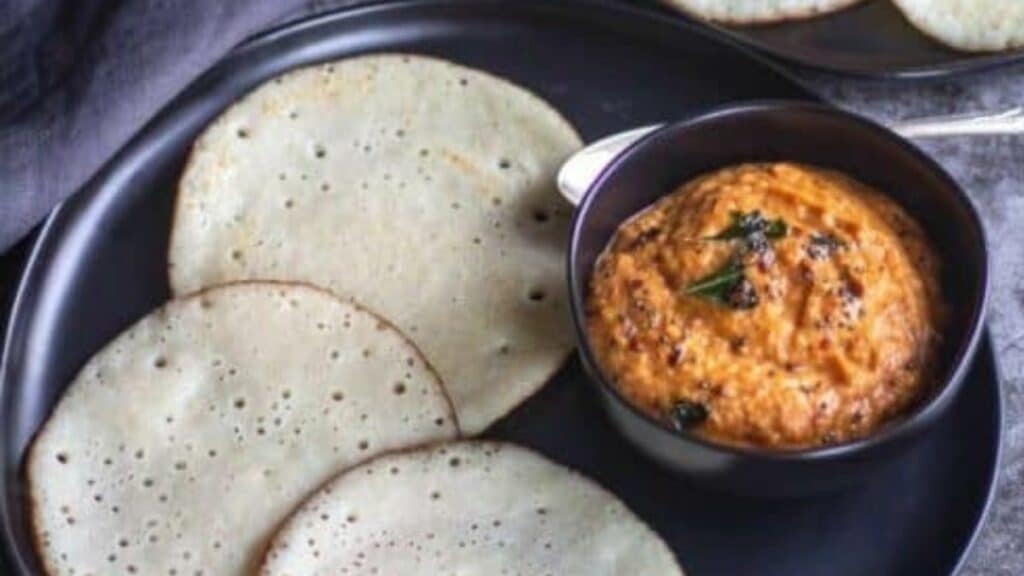
Kuttu ka dosa shines brightest when paired with fresh, vibrant chutneys that complement its earthy flavor without overwhelming it. The traditional accompaniment is green chutney made from fresh coriander leaves, mint, green chilies, ginger, lemon juice, and rock salt—all ingredients that align with fasting restrictions.
To make a quick fasting-friendly green chutney, blend one cup of fresh coriander leaves, ½ cup of mint leaves, 2-3 green chilies, a one-inch piece of ginger, the juice of half a lemon, and sendha namak to taste with just enough water to create a smooth paste. The bright, herbaceous flavor cuts through the richness of ghee-cooked dosas and adds a refreshing element to your meal.
Coconut chutney offers another excellent option, especially if you prefer milder flavors. Grind fresh coconut with roasted cumin seeds, green chilies, ginger, and rock salt, tempering it with ghee, curry leaves, and mustard seeds if you have them available. The creamy sweetness of coconut provides beautiful contrast to kuttu’s slight bitterness.
Some families serve kuttu ka dosa with plain yogurt seasoned with rock salt and roasted cumin powder. This simple raita cools the palate and aids digestion while providing additional protein and calcium. If you’re fasting without dairy, a simple tomato-based chutney or even plain lemon wedges work wonderfully.
For beverages, consider serving your dosas with cooling drinks appropriate for Mahashivratri. Coconut water, fresh fruit juices (avoid citrus if you have acidity), or simple milk flavored with cardamom and saffron all complement the meal while maintaining the sattvic nature of your fast.
Nutritional Benefits of Kuttu Ka Dosa for Fasting
Understanding the nutritional composition of kuttu ka dosa helps you appreciate why this recipe sustains you so effectively through fasting periods. Each component contributes specific nutrients that support your body’s needs during reduced food intake.
A typical kuttu ka dosa made from one cup of kuttu atta (divided into 4-5 dosas) provides approximately 200-250 calories per dosa, depending on the amount of ghee used for cooking. This caloric density makes it substantial enough to serve as a complete meal during fasting when you’re eating only 1-2 times daily.
The protein content deserves special attention. Between the kuttu atta (16-18 grams per cup), singhara atta (4-5 grams per ¼ cup), and curd (3-4 grams per ½ cup), your total batter contains roughly 23-27 grams of protein. Divided across 4-5 dosas, each one delivers 5-6 grams of protein—significant when your fasting diet may exclude beans, lentils, and regular grains.
The fiber content from buckwheat supports digestive health and promotes feelings of fullness. One cup of kuttu atta contains approximately 3-4 grams of dietary fiber, which slows sugar absorption and helps maintain stable blood glucose levels. This prevents the energy crashes and intense hunger pangs that can make fasting uncomfortable.
Micronutrients in kuttu ka dosa include substantial amounts of magnesium (approximately 230 mg per cup of kuttu atta), which supports muscle function and helps reduce stress—both important during the physical and spiritual demands of Mahashivratri fasting. The manganese content aids metabolism and bone health, while copper supports iron absorption and immune function.
B vitamins, particularly B6, niacin, and folate, appear in meaningful quantities in buckwheat. These vitamins support energy metabolism and nervous system function, helping you maintain mental clarity during prayers and spiritual practices. The antioxidants in buckwheat, including rutin and quercetin, provide anti-inflammatory benefits that support overall health.
The ghee used for cooking contributes fat-soluble vitamins A, D, E, and K along with beneficial fatty acids. While frying adds calories, the fat also helps your body absorb the fat-soluble nutrients in your meal and provides lasting satiety. In moderation, ghee’s richness becomes an asset during fasting rather than a liability.
Common Mistakes and How to Avoid Them
Even experienced cooks sometimes struggle with kuttu ka dosa because buckwheat flour behaves differently than familiar wheat or rice flours. Understanding common pitfalls helps you avoid frustration and achieve success on your first attempt.
Batter Too Thick or Too Thin
The most frequent mistake involves incorrect batter consistency. Too thick, and your dosa won’t spread properly, resulting in dense, unappetizing pancakes. Too thin, and the batter runs all over the tawa without holding its shape, creating ragged, torn dosas that fall apart when you try to flip them.
The solution lies in adding water gradually and testing consistency before committing to a full batch. Make one test dosa with your initial batter. If it doesn’t spread easily or develops thick patches, whisk in water one tablespoon at a time until improved. If your test dosa runs too much or tears easily, whisk in a little more kuttu flour to thicken the batter slightly.
Remember that batter thickens as it rests because the flours continue absorbing liquid. Check and adjust consistency before making each batch of dosas, especially if you’ve prepared the batter significantly ahead of time.
Tawa Temperature Issues
Temperature control determines whether your dosas crisp beautifully or stick stubbornly to your cooking surface. Too hot, and the outside burns before the inside cooks through. Too cool, and dosas stick, tear, and never develop that appealing golden color.
Maintain medium heat after initially heating the tawa. The surface should feel hot when you hold your hand six inches above it, but not scorching. Between each dosa, you may need to adjust heat up or down slightly based on how the previous one cooked. If dosas are browning too quickly, reduce heat. If they’re taking more than 3-4 minutes to cook or sticking persistently, increase heat slightly.
Some cooks struggle with uneven heating, especially on electric or induction cooktops. Rotate your tawa occasionally to expose different areas to the heat source, ensuring more uniform cooking across the entire surface.
Tips for Making Kuttu Ka Dosa in Advance
Mahashivratri often involves extensive preparations, and managing your time efficiently allows more energy for prayers and spiritual practices. Strategic advance preparation for kuttu ka dosa can streamline your fasting day.
You can prepare the dry batter base the night before by mixing kuttu atta, singhara atta, and cumin seeds in a container. Store this covered at room temperature. In the morning, simply add curd, salt, green chilies, ginger, and water to create fresh batter. This saves time while ensuring your dosas have the fresh flavor that comes from recently mixed batter.
Fully prepared batter stores reasonably well in the refrigerator for 6-8 hours. If you make batter in the morning, you can use it through the evening without significant quality loss. The batter may thicken in the refrigerator, so whisk in a little water to restore proper consistency before making dosas. Be aware that refrigerated batter sometimes develops a slight sour note from the curd—most people find this pleasant and tangy rather than off-putting.
The potato filling keeps beautifully for 24 hours when refrigerated in an airtight container. Prepare it the day before and simply warm it gently before using. Add the fresh coriander leaves just before filling your dosas to maintain their bright color and fresh flavor.
Cooked kuttu ka dosas can be kept warm for 15-20 minutes by stacking them on a plate covered with a clean kitchen towel. This works well if you’re making multiple dosas for family members who’ll eat at slightly different times. However, kuttu dosas are best enjoyed immediately after cooking—they lose their crispness relatively quickly compared to rice-based dosas.
If you must prepare dosas significantly ahead, make them slightly thicker and undercook them just a bit. Store them stacked with parchment paper between layers. When ready to serve, heat them briefly on a dry tawa to refresh the texture and warm them through. While not quite as good as fresh, this method works acceptably for busy fasting days.
CHECK MORE ON:Rajasthani Moong Dal Paratha Recipe: Crispy, Protein-Rich Indian Flatbread (Ready in 40 Minutes)
Variations and Creative Adaptations
Once you’ve mastered the basic kuttu ka dosa, numerous variations allow you to adjust flavors and textures according to your preferences and what ingredients you have available during your fast.
Adding Boiled Arbi for Better Binding
Some recipes incorporate boiled and mashed arbi (colocasia or taro root) directly into the batter. Use one medium-sized boiled arbi, mashed completely smooth, for every cup of kuttu atta. The starch in arbi improves binding and helps create crisper dosas that hold together better. Arbi also adds mild creaminess and subtle sweetness that many people enjoy.
This variation works particularly well if you’re not using singhara atta or if you’re struggling with dosas that tear easily. The arbi essentially serves as a natural binding agent while adding nutritional value—it provides fiber, potassium, and vitamin E along with resistant starch that supports gut health.
Herb-Infused Batter
For extra flavor complexity, try adding more herbs directly to your batter. Finely chopped curry leaves, additional coriander leaves, or even a little fenugreek leaves (methi) can transform the flavor profile. Use about 2-3 tablespoons of finely chopped fresh herbs per cup of kuttu atta. These additions create dosas with beautiful green flecks and layers of herbal flavor that pair wonderfully with simple accompaniments.
Spiced Variations
While traditional Mahashivratri fasting limits spices to those considered sattvic, you can adjust the heat and aromatics within those boundaries. Add crushed black peppercorns for warmth, increase green chilies for more heat, or incorporate crushed fennel seeds for a subtle licorice note. Some families add a pinch of hing (asafoetida) to the batter if their fasting guidelines permit it—this creates a more savory, almost onion-like depth.
Sweet Kuttu Ka Dosa
For a completely different experience, make sweet kuttu dosas by reducing the salt in your batter and adding a tablespoon of honey or jaggery instead. These pair beautifully with fruit compotes, sweetened coconut, or simply ghee and a sprinkle of cardamom powder. Sweet versions work wonderfully for the morning meal when breaking your overnight fast or as an evening snack during Mahashivratri vigils.
The Spiritual Significance of Mahashivratri Fasting Foods
Understanding why specific foods appear during Mahashivratri fasting helps deepen your connection to the practice. The dietary restrictions serve multiple purposes beyond religious compliance—they’re designed to support both physical purification and spiritual focus.
Sattvic foods like kuttu, singhara, and fresh vegetables are believed to promote mental clarity, calmness, and spiritual awareness. These foods digest easily, create minimal toxins in the body, and don’t overstimulate the senses or mind. When you’re spending the day in prayer, meditation, and devotion to Lord Shiva, what you eat directly affects your ability to maintain focused consciousness.
Abstaining from grains, regular salt, and certain vegetables represents a form of tapas—voluntary self-discipline that purifies consciousness and strengthens willpower. The temporary discomfort of eating differently than usual builds spiritual fortitude. Yet the fast shouldn’t become punishing or leave you weak—properly prepared fasting foods like kuttu ka dosa nourish you adequately while maintaining the discipline’s integrity.
Sharing fasting meals with family and community strengthens bonds and creates collective spiritual energy. When everyone gathers to eat kuttu ka dosa together during Mahashivratri, the simple meal becomes prasad—blessed food that nourishes both body and spirit. The act of preparing these traditional recipes connects you to generations of devotees who’ve observed the same practices, creating a sense of continuity and belonging that extends across time.
A Recipe Loved Across Indian Fasting Festivals
Kuttu ka dosa isn’t limited to Mahashivratri alone—it’s a popular fasting recipe enjoyed during Navratri, Ekadashi, and other vrat days as well. Since Mahashivratri is one of the most widely observed fasting festivals, you can explore its traditions, rituals, and festival-specific foods in detail here:
Mahashivratri Festival Guide
