


My mother called yesterday, voice tight with worry. “Beta, what do we do about the khichdi this year? Everyone’s saying different things.” She wasn’t alone—three cousins had already texted me the same question, and my WhatsApp family group was in full debate mode. Makar Sankranti without khichdi feels wrong, almost incomplete. But when Ekadashi arrives on the same day, the rules shift in ways our grandmothers never had to navigate.
This isn’t just family confusion. It’s a genuine spiritual puzzle that hasn’t appeared in nearly a quarter-century.
In a Nutshell:
For the first time in 23 years, Makar Sankranti and Shattila Ekadashi fall on the same day—January 14, 2026. This creates a sacred dilemma: rice is forbidden on Ekadashi, but khichdi is traditional for Sankranti. Skip the khichdi on the 14th, eat it on the 13th or 15th instead, donate sesame and jaggery (not rice), and embrace til-based foods on the day itself. Follow these updated rituals to honor both festivals without breaking sacred rules.
Why 2026’s Makar Sankranti Is Different
January 14, 2026, marks something rare and powerful: Makar Sankranti coinciding with Shattila Ekadashi, an alignment that last occurred in 2003. Most of us were different people then—unmarried, living in India, celebrating with extended families who knew exactly which rituals to follow and when.
Now we’re scattered across continents, raising children who ask “why can’t we just eat khichdi like always?” while trying to maintain traditions that suddenly have asterisks attached.
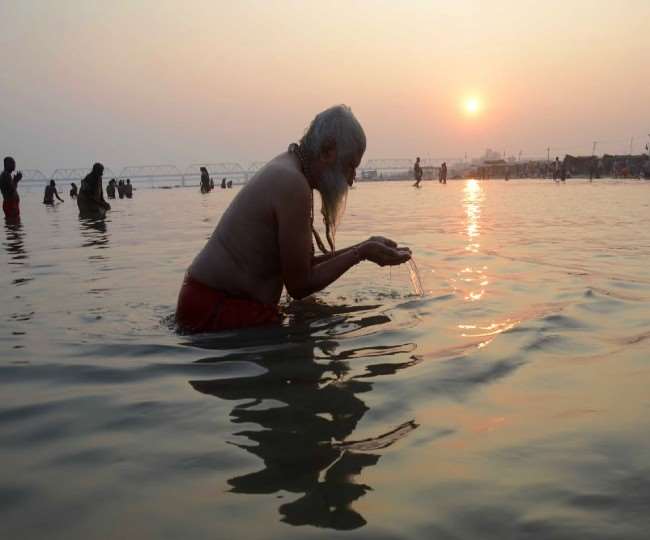
The Hindu Panchang reveals this convergence creates an intensified spiritual energy—what astrologers call a powerful religious yog. Both days carry deep significance independently. Together, they multiply the merit of proper observance but also compound the consequences of ritual missteps.
Makar Sankranti celebrates the sun’s northward journey, symbolizing the end of winter’s darkness and the arrival of longer, warmer days. It’s harvest gratitude, agricultural prosperity, and honoring the life-giving warmth that sustains us. Khichdi—simple, nourishing, made from rice and lentils—represents abundance accessible to everyone.
Shattila Ekadashi, meanwhile, is a fasting day dedicated to Lord Vishnu, observed on the eleventh lunar day. The name itself—Shattila—means “six types of sesame preparations,” pointing toward til (sesame) as the day’s sacred ingredient. Ekadashi demands abstention from grains, especially rice, which scriptures say destroys the spiritual merit of the fast.
When these two festivals collide, the question isn’t academic. It’s personal, practical, and affects how millions of families will cook, pray, and donate on one of the year’s most auspicious days.
Must Read: Makar Sankranti: Complete Festival Guide, Regional Celebrations & Traditions
The Khichdi Question: What Ancient Texts Actually Say
Here’s what sacred scriptures make clear: consuming rice on Ekadashi negates the fast’s spiritual benefits entirely. This isn’t a suggestion or a regional variation—it’s scriptural law that applies whether you’re observing the full Ekadashi vrat or simply living through the day.
So can you eat khichdi on Makar Sankranti 2026? No.
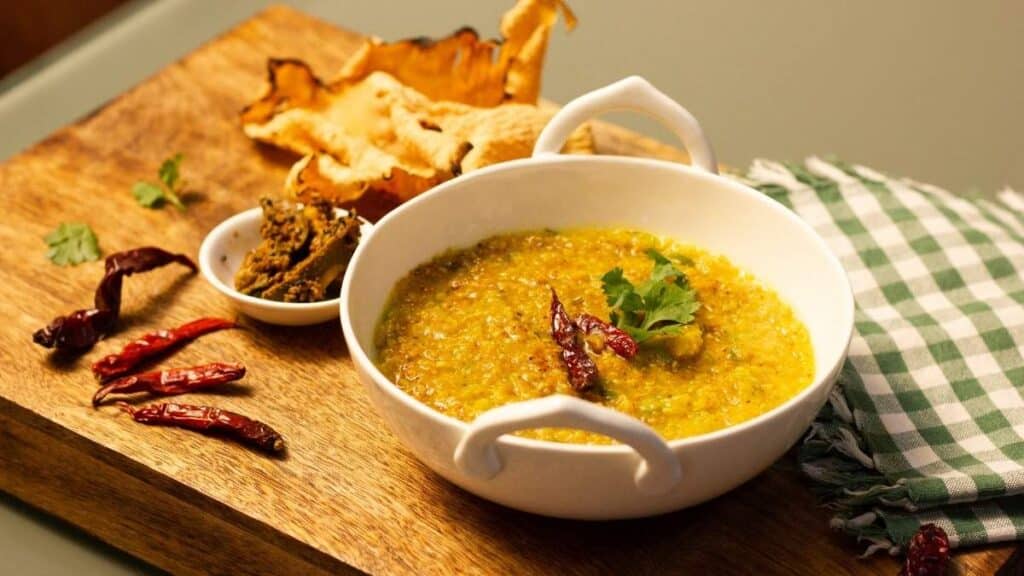
Rice forms khichdi’s foundation. Remove rice, and you no longer have khichdi—you have something else entirely, perhaps a moong dal preparation, but not the traditional Sankranti dish families have served for generations.
This creates genuine grief for people who connect emotionally with the ritual. My friend Priya in Toronto said it best: “Sankranti without khichdi feels like Diwali without diyas. Technically possible, but somehow hollow.”
The solution, though, is simpler than the worry suggests.
Eat your khichdi on Dashami (January 13) or Dwadashi (January 15). Prepare it with the same love, the same ghee, the same family gathered around the table. The blessing doesn’t vanish because you’re eating it a day early or late—the intention, the gratitude, the coming together still matter deeply.
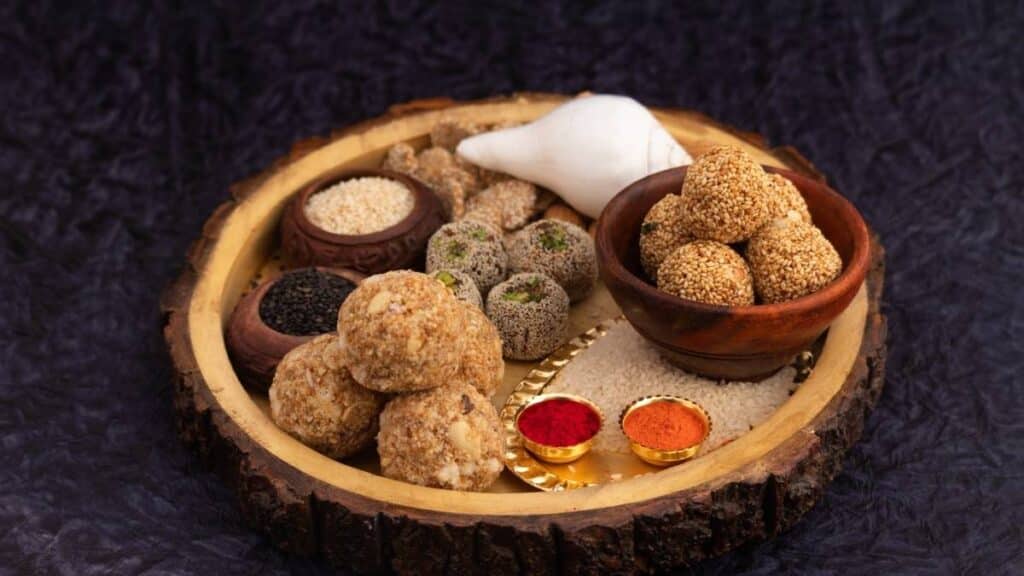
On the 14th itself, shift your focus to sesame. Til laddoos, til chikki, til barfi, til mixed into whatever preparations you’re making. Sesame carries its own sacred significance for Sankranti—representing warmth, energy, the sun’s power concentrated into tiny seeds. It’s also perfectly aligned with Shattila Ekadashi’s emphasis on sesame-based offerings.
This isn’t compromise. It’s honoring both festivals fully, giving each tradition its proper weight without diminishing either.
How To Actually Observe The Fast (Without Confusing Your Kids)
If you’re observing Shattila Ekadashi on January 14, the fasting rules are specific:
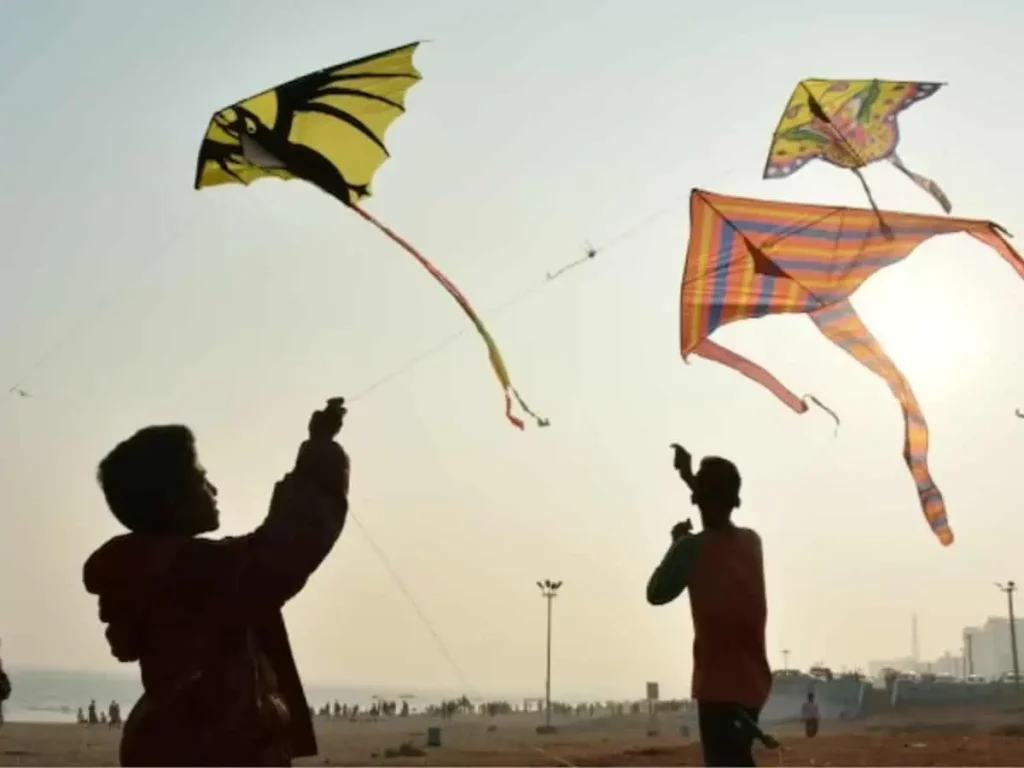
- Avoid completely: Rice, wheat, and all grains. This includes rice-based products, wheat rotis, anything made from barley, corn, or millet.
- Permitted foods: Fresh fruits, milk and dairy products, nuts (cashews, almonds, walnuts), sabudana (tapioca pearls), sendha namak (rock salt), and crucially, sesame-based preparations.
- The day’s structure: Wake early, bathe, and begin with prayers to Lord Vishnu. Spend time reading sacred texts, chanting mantras, or simply sitting in quiet devotion. Avoid entertainment-focused activities—this is a day for turning inward spiritually.
For families with young children who won’t fast, prepare their meals separately using the permitted ingredients. Sabudana khichdi (made with tapioca, not rice) works well, as do fruit plates, sweet potato preparations, or simple milk-based dishes.
The real challenge isn’t the food—it’s explaining to a seven-year-old why today’s different from every other Sankranti she’s known. I’ve found honesty works best: “Some years, two special days happen together, so we adjust our traditions to respect both.” Kids understand fairness and respect, even when the details feel complicated.
For those not fasting but wanting to honor the day, simply avoiding rice shows respect for Ekadashi’s sacred nature. You’re not required to observe the full vrat, but acknowledging the day’s spiritual significance through mindful food choices carries its own merit.
How To Donate Rice Correctly: The 2026 Exception
Makar Sankranti traditionally emphasizes khichdi donation—filling containers with rice and dal to distribute among those with less. It’s generosity made tangible, a way of sharing harvest abundance with the community.
But Ekadashi prohibits rice donation just as strictly as rice consumption. The logic is consistent: rice on this day reduces spiritual merit rather than building it, regardless of whether you’re eating or giving.
Do not donate khichdi or rice on January 14, 2026.
Instead, consider these alternatives that fully honor Sankranti’s charitable spirit while respecting Ekadashi’s boundaries:
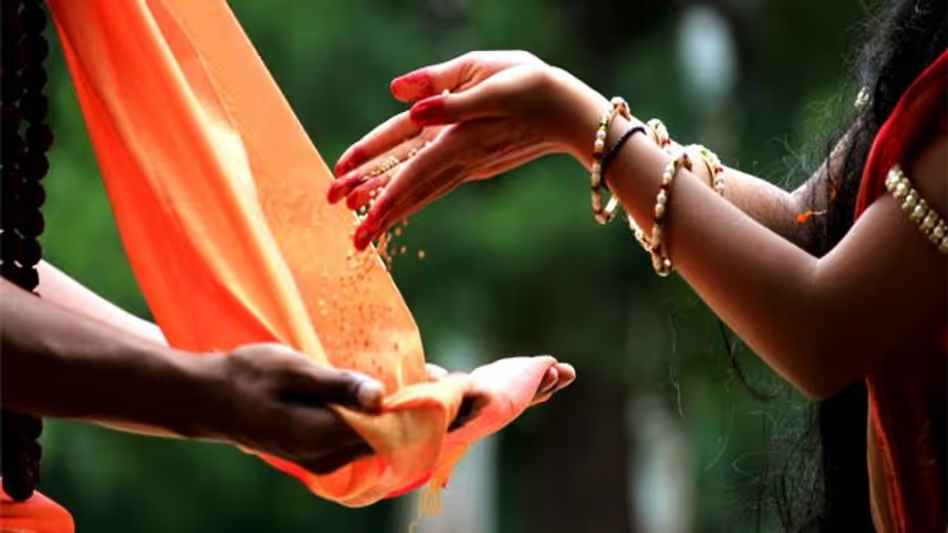
- Til (sesame seeds): Black sesame, white sesame, or til mixed with jaggery. Sesame represents warmth and prosperity, perfectly aligned with both festivals.
- Jaggery (gud): Unrefined sweetness, energy, the fruits of harvest. Jaggery blocks, gud powder, or gud-based sweets all work beautifully.
- Bajra, jowar, or other non-rice grains: If you want to donate grain-based food, choose varieties that don’t violate Ekadashi restrictions.
- Warm clothing: Blankets, shawls, sweaters. Sankranti marks winter’s peak in North India—warmth is both practical and symbolic.
- Cooking oil, ghee, or dry fruits: Staples that help families prepare their own festival meals according to their traditions.
The question I keep hearing: “But won’t people be confused if we’re not giving khichdi?” Possibly. That’s why small notes attached to donation packages help—a simple card explaining “This year’s sacred yog makes til and jaggery especially auspicious” turns confusion into education.
Your charity shouldn’t diminish in quantity, only shift in form. If you typically donate to ten families, continue donating to ten families. Just fill those containers with sesame laddoos and jaggery blocks instead of khichdi.
The correct way to donate in 2026: If you want to continue your rice donation tradition, do it on January 13 or 15 instead. The charitable impulse remains sacred—only the timing shifts to avoid conflicting with Ekadashi’s spiritual requirements.
Why This Yog Carries Unusual Spiritual Weight
Astrologers emphasize that rare planetary alignments intensify spiritual energy. When two sacred days converge after 23 years, the cosmic mathematics shift—prayers gain potency, fasting accrues greater merit, charity multiplies its karmic returns.
Think of it as spiritual leverage. The same sincere effort on an ordinary day brings standard results. That identical effort on a rare convergence day? The returns compound exponentially.
This is why following the correct rituals matters more this year than most. You’re not just observing Sankranti or Ekadashi independently—you’re participating in a yog that amplifies whatever you do, positive or negative.
Observe properly, and you invite health, prosperity, family harmony, and divine protection for the entire year ahead. Ignore the guidelines, and you’re potentially negating benefits rather than building them.
The ancient texts weren’t being arbitrary about rice restrictions. They understood that certain foods carry specific vibrational energies that either support or obstruct spiritual practice. Rice on Ekadashi creates energetic interference, like static on a phone line—your prayers still transmit, but the connection weakens.
What This Means For Families Living Outside India
If you’re celebrating in the diaspora, this year’s complexity feels sharper. You’re already navigating Sankranti in countries where nobody gets the day off work, where store-bought til laddoos taste nothing like home, where your children’s classmates have never heard of the festival.
Now add the khichdi restriction, and it feels like one more layer of difficulty.
But I’d suggest reframing it: this year’s unusual alignment gives you something specific to teach. Your kids will remember 2026 as the year Sankranti was different, the year you explained why some traditions bend but don’t break, the year they learned that ritual observance requires thinking, not just repeating.
Make the til laddoos together. Let them roll the sesame and jaggery between their palms, feeling the mixture warm and soften. Explain why sesame matters, why this small seed carries big meaning. Show them that tradition isn’t rigid repetition—it’s thoughtful adaptation that preserves core values while respecting spiritual laws.
For those hosting community celebrations, consider shifting the khichdi langars (community meals) to January 15. You’ll still feed everyone, still create that communal warmth, still fulfill Sankranti’s charitable purpose. Just adjust the calendar by one day.
And if you absolutely can’t shift the date? Serve moong dal khichdi made without rice, or dal preparations with vegetables, or sesame-rice substitutes. The spirit of feeding people with love and gratitude matters more than exact ingredients, especially when you’re honestly navigating conflicting sacred requirements.
The Bigger Picture: When Traditions Need Translation
Every generation faces this—moments when the traditions we inherited don’t quite map onto the lives we’re living. Our grandmothers didn’t navigate Sankranti-Ekadashi conflicts because they lived in joint families with elders who held generations of knowledge. We live in nuclear families across time zones, googling frantically for answers that sometimes contradict each other.
This year’s alignment isn’t a problem. It’s a reminder that faith requires engagement, not autopilot. It asks us to understand why we do what we do, not just mechanically repeat inherited actions.
The families who’ll navigate 2026’s Sankranti most meaningfully won’t be those who ignore the Ekadashi conflict or who stress themselves into rigid perfection. They’ll be the ones who pause, learn the actual rules, make informed adjustments, and move forward with both confidence and humility.
Eat your khichdi on the 13th or 15th with full joy. Fill your home with the smell of roasting sesame on the 14th. Donate generously, just shift what you’re giving. Fast if you’re called to fast, or simply avoid rice if you’re not. Light your lamps, fly your kites, call your parents, teach your children.
The cosmic yog isn’t testing your perfection. It’s offering you amplified blessings for sincere, informed effort. That’s what these 23-year alignments are really about—not confusion, but opportunity. Not obstacle, but invitation.
