


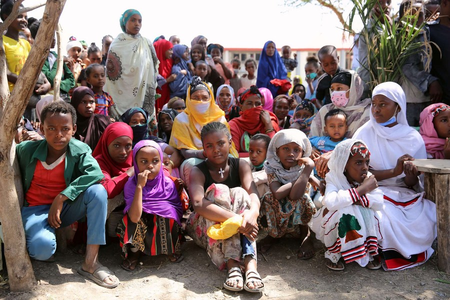
Some 24 million individuals in the Sahel region require humanitarian assistance, as stated by a UN spokesperson. The crisis is deepening across Burkina Faso, Chad, Mali, Niger, northern Cameroon, and northeast Nigeria, with violence spreading and armed groups expanding their presence. Displacement of communities, closure of schools and health facilities, and climate shocks are exacerbating the situation.
The Sahel is warming faster than the global average, with floods affecting about 590,000 people in 2025 alone. Recurring droughts and advancing desertification are damaging farmland and threatening the livelihoods of millions. The United Nations and its partners are enhancing cash-assistance programs, anticipatory action, and support for local organizations to help communities cope with the increasing needs.
Nearly 5 million people in 12 government-controlled areas in Yemen faced high levels of acute food insecurity between March and May this year, according to UN Secretary-General spokesperson Stephane Dujarric. Urgent calls have been made by various organizations to scale up funding for humanitarian assistance, nutrition services, health, agriculture, and resilience programming. An estimated 5.4 million people in government-controlled areas are projected to face acute food insecurity between June and September this year.
Without immediate and scaled-up action, millions of vulnerable individuals risk falling deeper into hunger, malnutrition, and irreversible livelihood loss. The United Nations and its partners have published the 2026 Yemen Humanitarian Needs and Response Plan, seeking 2.16 billion US dollars to provide life-saving assistance to 12 million people across Yemen.
