


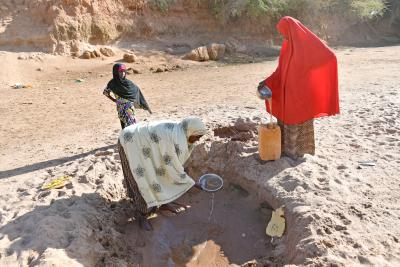
As per the International Organisation for Migration (IOM), around 62,000 individuals have been displaced in Somalia across five districts since the start of this year. The latest data from IOM reveals that three-quarters of these displacements are a result of drought, marking a 22% increase from the previous year, indicating the escalating impact of climate-related crises. Manuel Pereira, Chief of Mission for IOM Somalia, emphasized the dire situation, stating that drought is compelling tens of thousands to leave their homes, with the potential for more displacements in the coming months.
IOM’s Displacement Tracking Matrix (DTM) forecasts that an additional 125,000 people could face displacement due to drought in the second quarter of 2026, even if the Gu rainy season (April–June) experiences normal to above-average rainfall. The scarcity of water, diminished agricultural output, and deteriorating grazing conditions have led thousands to seek essentials like water, food, and aid by leaving their residences. The report by IOM underscores the impact of below-average rainfall during the 2025 Deyr season, coupled with an exceptionally harsh Jilaal dry period, as key drivers of climate-induced displacements.
Expressing concerns, IOM highlighted the possibility of heightened displacement pressures in already vulnerable regions as affected households migrate towards urban areas in search of assistance and essential services. The influx of new families into underprivileged and informal urban zones poses challenges as these areas lack adequate infrastructure and services to accommodate sudden population surges. Urgent and consistent support is urged by IOM to mitigate the escalating effects of the crisis, with life-saving aid already being extended to newly displaced families by IOM and its collaborating partners.
