


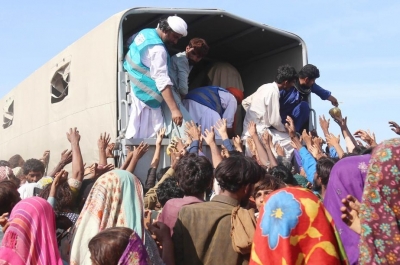
The latest analysis by the Integrated Food Security Phase Classification (IPC) in Pakistan’s 45 vulnerable rural districts shows that 7.5 million individuals, constituting 21% of the assessed population, are experiencing crisis or worse levels of acute food insecurity until March 2026. Among them, 1.25 million people are in emergency conditions, characterized by food shortages and escalating malnutrition. The situation is exacerbated by factors like high wheat flour prices, expensive fuel, and water scarcity, leading to increased debt among many families.
The report highlights that various challenges, including residual effects of natural disasters like monsoon floods and droughts, have severely impacted agricultural and pastoral incomes in Pakistan. Factors such as lean-season dynamics, market dependence, and trade disruptions further contribute to the crisis, especially in border districts. Despite an expected slight improvement post-wheat harvest and seasonal livestock sales, around 6.7 million individuals are projected to face ‘crisis’ or worse conditions between April and September.
A recent poll comparing household consumption trends over two decades in Pakistan revealed a shift towards allocating more funds to living costs rather than food expenses. Data from the Household Integrated Economic Survey (HIES) indicates a decrease in the share of household spending on food from 43% to 37% between 2005 and 2025, while expenditures on housing and utilities have risen. This trend suggests that households are cutting back on food consumption to manage increasing fixed expenses, impacting food security in the country.
The survey findings also point to a concerning rise in moderate-to-severe food insecurity levels in Pakistan, with the proportion of affected individuals increasing from one in six to one in four between 2018-19 and 2024-25. Additionally, families in Pakistan are shouldering a significant portion of education costs, as highlighted in the Institute of Social and Policy Science’s annual report on ‘Public Financing of Education.’ Household spending on education, totaling PKR 2.8 trillion, surpasses public sector contributions, indicating a growing reliance on private education and raising questions about the adequacy of the public education system.
