


Several activists are calling for the removal of surveillance cameras made by Chinese companies from the United Kingdom’s Salisbury Cathedral and Greece’s Parthenon temple. The cameras, manufactured by Dahua Technology and Hikvision, have raised concerns about potential spying on sensitive sites. The World Uyghur Congress and a Ukrainian organization have expressed worries about these companies’ involvement in locations significant for democracy and human rights.
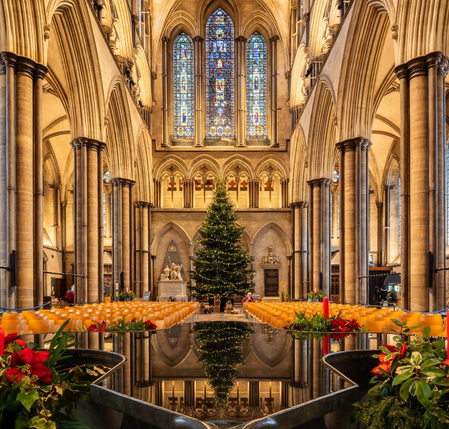
Cameras produced by Dahua Technology, known for its low-light surveillance cameras, are installed at Salisbury Cathedral, home to one of the four surviving copies of the Magna Carta. The Magna Carta, a historic document from 1215, is considered a foundational symbol of democratic values and human rights. The cathedral describes the document as a powerful symbol of social justice that has inspired freedom movements globally.
The World Uyghur Congress has accused Dahua Technology of complicity in “genocide or crimes against humanity.” The organization alleges that the company’s facial recognition systems target Uyghurs and aid in police surveillance. It is claimed that Dahua’s CCTV systems in Xinjiang contribute to control and surveillance measures against the predominantly Muslim group. The activists find it distressing that technologies from these companies are used to protect symbols of democracy and freedom.
In response to these concerns, the World Uyghur Congress has also reached out to authorities overseeing Greece’s Parthenon temple, where cameras by Hikvision are in operation. The organization has requested the removal of the Chinese company’s CCTV systems from the temple premises. Despite a denial from the cathedral spokesperson regarding the receipt of the email, evidence suggests that the communication was sent last year.
