


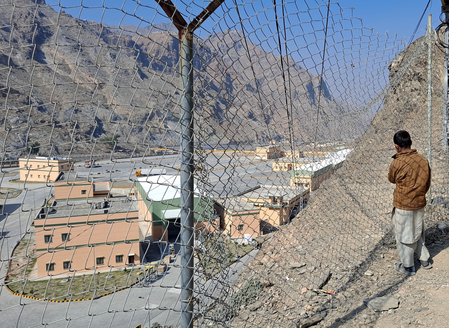
The border between Pakistan and Afghanistan, historically volatile, is witnessing heightened tensions as both sides refuse to back down. Afghanistan’s Ministry of Defence revealed that overnight airstrikes were carried out against alleged ISIS-linked facilities in Balochistan and Khyber Pakhtunkhwa provinces of Pakistan. The strikes targeted locations believed to be coordinating attacks against Afghanistan, with the ministry emphasizing the successful hitting of important targets.
The Taliban’s recent announcement of these airstrikes, if confirmed, signifies a significant escalation in the strained relationship between the neighboring countries. The move comes amidst Pakistan’s increased pressure on the Taliban regarding Tehreek‑e‑Taliban Pakistan (TTP) militants, leading to mutual accusations of harboring hostile networks. The situation risks exacerbating instability in the region, given the long-standing mutual suspicion and lack of accountability between the two governments.
Residents in Balochistan reported hearing explosions overnight, although independent verification is scarce. The Taliban’s statement appears aimed at projecting strength domestically and regionally, emphasizing Afghanistan’s resolve to eliminate perceived threats and protect national sovereignty. However, analysts caution that such actions could deepen instability, potentially triggering retaliatory measures from Pakistan, a nuclear-armed state with a more potent military. The ongoing situation underscores a new phase of confrontation along the historically volatile border, with no signs of de-escalation from either side.
