


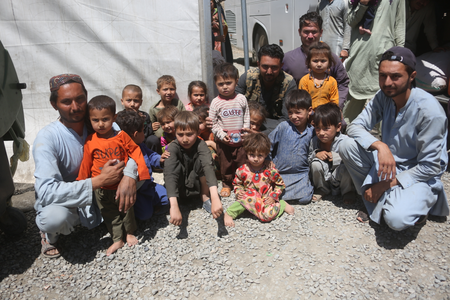
Multiple international media reports, including the BBC, shed light on the worsening humanitarian crisis in Afghanistan. Families are compelled to sell their children due to extreme poverty, hunger, unemployment, and reduced international aid. This distressing trend is no longer isolated, affecting three-quarters of Afghans struggling to meet basic needs.
The dire situation has led to families resorting to selling their children, mostly daughters, for survival. The main drivers behind this heartbreaking act are extreme poverty, hunger, unemployment, and cuts in international aid. Taliban restrictions on women and girls exacerbate the crisis, as highlighted in recent media reports.
In Ghor province, families facing extreme hunger and unemployment have been driven to sell their daughters. One father, Saeed Ahmad, shared how he had to sell his five-year-old daughter, Shaiqa, for her life-saving surgery. The BBC report emphasized that three out of four Afghans are unable to meet their basic needs, with almost five million people experiencing emergency-level hunger.
The situation in Afghanistan is dire, with widespread unemployment, struggling healthcare, and drastically reduced aid. Families in Ghor province are selling children in a desperate attempt to combat hunger and unemployment. Reports indicate that three out of four Afghans cannot fulfill their basic needs, leading parents to view selling their children as the only way to prevent starvation.
UN data underscores the severity of the crisis, revealing that a significant portion of Afghan households are in debt. The suspension of international aid, combined with factors like unemployment and climate-related droughts, has left millions in acute food insecurity. The return of the Taliban to power has further deepened the crisis, making abject poverty the norm for a large segment of the population.
