


Experts from the Africa Centres for Disease Control and Prevention (Africa CDC) emphasized the need for continued global support as the death toll from the ongoing Bundibugyo Ebola outbreak in Congo and Uganda has exceeded 600. The affected countries have reported a total of 1,779 confirmed cases and 602 deaths, with a case fatality rate of around 34 percent. Additionally, 302 patients have successfully recovered from the disease according to the latest data from the African Union’s public health agency.
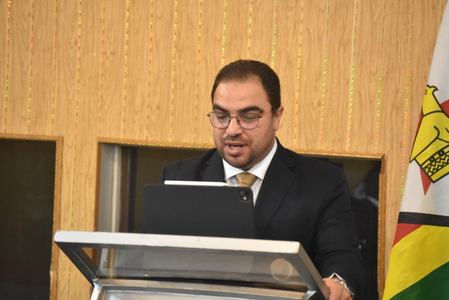
During an online press briefing, Wessam Mankoula, the operations manager for the Ebola response at Africa CDC, highlighted that Congo saw a 25 percent increase in confirmed cases, totaling 353 cases in the past week. Mankoula expressed concern over the unprecedented growth of the Ebola outbreak on the continent, stating that the virus continues to outpace response efforts.
Africa CDC data revealed that for every 10 infected individuals in Congo, the virus spreads to approximately 14 new people. The experts identified critical challenges such as funding gaps, insufficient safe burial capacity, and the infection and deaths of healthcare workers. In Congo, 112 healthcare workers have contracted the virus, resulting in 35 fatalities.
Acknowledging positive developments, the experts noted progress in laboratory testing capacity, with over 2,000 tests conducted daily. They also highlighted the initiation of clinical trials for therapeutics targeting the Bundibugyo Ebola strain, a significant advancement due to the absence of licensed vaccines or specific medical interventions for this strain.
The Africa CDC recognized Uganda’s effective containment efforts, with only one active case and the most recent confirmed case reported on June 21. Mankoula praised Uganda for demonstrating successful Ebola control measures, emphasizing that the situation is currently well managed.
The Bundibugyo Ebola outbreak in Congo and Uganda was declared a public health emergency of continental security by Africa CDC on May 18, following the World Health Organisation’s declaration of an international public health emergency. Apart from the directly affected nations, 11 other African countries have been identified as high-risk, including South Sudan, Rwanda, Kenya, Zambia, Central African Republic, Tanzania, Ethiopia, Angola, Congo, Burundi, and Somalia.
