


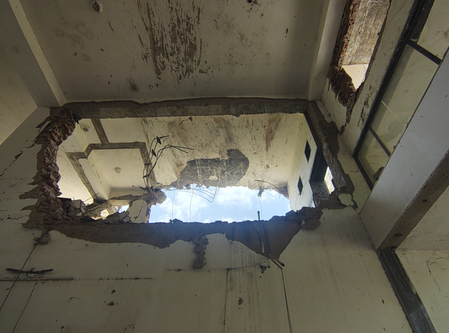
On the first anniversary of the Air India plane crash in Ahmedabad, officials from the city’s Civil Hospital and police have shared insights into the emergency response and forensic operations following the tragic incident. The crash of Air India Flight AI-171 occurred on June 12 last year, resulting in one survivor from the aircraft out of 242 passengers and crew on board, with additional fatalities on the ground bringing the total death toll to around 260.
Dr. Rakesh Joshi, the Medical Superintendent at Ahmedabad Civil Hospital, recounted the immediate actions taken upon receiving news of the crash. He described the rapid mobilization of hospital teams, activation of emergency protocols, and the challenging process of identifying victims through DNA sampling and visual methods. Multidisciplinary trauma teams were swiftly assembled to handle the influx of injured survivors and bodies arriving at the hospital.
Emergency operations were characterized by the meticulous coordination of various agencies and departments, including the forensic team led by Dr. Dharmendra Patel. The identification and handover process for victims, involving DNA matching and family support, extended over several weeks. Dr. Joshi emphasized the collaborative efforts of hospital staff, municipal authorities, police, and NGOs in providing continuous support to grieving families and managing the aftermath of the tragedy.
Joint Commissioner of Police Neeraj Budgujar detailed the critical role of law enforcement in securing the crash site, preventing unauthorized access, and managing the influx of crowds, including victims’ families and media personnel. The intense environmental conditions at the site posed challenges to the police personnel, who worked tirelessly to ensure the integrity of the investigation and recovery efforts. The comprehensive emergency response involved a seamless integration of resources and expertise from multiple agencies, reflecting a unified commitment to addressing the aftermath of the aviation disaster.
