


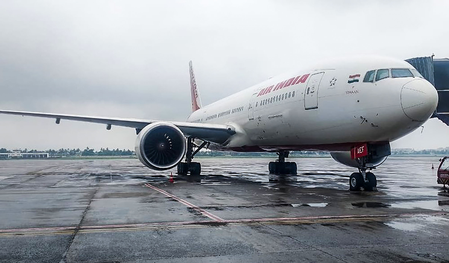
Air travel in the Middle East encountered significant disruptions as Israel, Iran, Dubai, and Iraq closed their airspace in response to Israeli airstrikes on Tehran. This closure affected airports in various Gulf countries, leading airlines to either cancel, divert, or reroute flights due to safety concerns. The closure of Israel’s airspace prompted European and Gulf airlines to adjust services or flight paths to avoid the region.
Over the last two years, airlines have faced similar challenges in West Asia due to sudden airspace closures amid escalating tensions and conflicts. India’s national carrier, Air India, had to divert its Delhi-Tel Aviv flight back to Mumbai following Israel’s airspace closure, prioritizing passenger and crew safety. IndiGo, India’s largest airline, also kept a close watch on developments related to Iran and the surrounding region, preparing for operational changes if necessary.
The situation intensified after US President Donald Trump mentioned joint combat operations with Israel in Tehran. Israel’s government labeled the strikes as “preventive,” further complicating the aviation scenario. The airspace closures impacted international airlines, with Russian carriers suspending flights to Israel and Iran, opting for alternative routes to Gulf countries, albeit with expected longer flight times due to diversions.
Flydubai, a Dubai-based airline, reported flight disruptions due to the temporary closure of Iraqi, Iranian, and Israeli airspace. Airlines in the region are anticipated to continue avoiding affected airspace, leading to extended routes and increased fuel costs until the security situation stabilizes.
