


Americans are experiencing increased expenses for groceries, fuel, and other daily essentials due to a surge in inflation. The latest data from the US Bureau of Labor Statistics reveals a 3.8% rise in the Consumer Price Index over the past year, the fastest since 2023. In April alone, monthly inflation went up by 0.6%, with notable spikes in energy and grocery prices causing dissatisfaction among consumers.
Residents like Maxi Baker from Glendale are feeling the impact, expressing concerns about the escalating prices across various goods and services. Economists attribute a significant portion of inflation to soaring energy expenses associated with conflicts in the Middle East and disruptions in oil shipments through the Strait of Hormuz. The energy index surged by 17.9% over the year, with gasoline prices leaping by 28.4%, contributing significantly to the overall inflation rate.
The rise in energy costs, with gasoline prices exceeding $4.50 per gallon nationally, has broader implications on the economy. Increased fuel prices affect transportation expenses, influencing the prices of consumer goods, shipping, and even air travel. Economists argue that energy inflation essentially acts as a tax on consumers, as heightened trucking expenses are often passed on to customers by supermarkets and retailers.
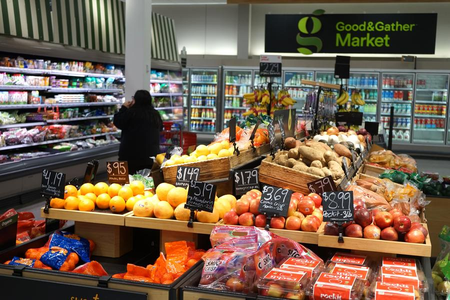
Food prices have also seen a notable increase, with the index for groceries rising by 0.7% in April. Items like beef, coffee, fruits, and vegetables have witnessed significant price hikes, impacting households, especially those with lower and middle incomes. Additionally, shelter costs, a key component of inflation, continued to climb, with both owners’ equivalent rent and rent indexes rising by 0.5% in April.
The concerning trend is that inflation is outpacing earnings growth, affecting consumers’ purchasing power. Real average hourly earnings for all employees dropped by 0.5% from March to April and were down by 0.3% compared to April 2025, indicating a decrease in real wages despite nominal pay raises. When incomes fail to keep up with rising prices, households often resort to cutting back on discretionary spending, increasing credit card usage, or delaying major purchases.
Denise Cohn, a retail shop employee in Los Angeles, highlighted the financial strain, stating that the increased costs have made it challenging to manage expenses. The current scenario where prices are rising faster than wages is putting pressure on individuals and families to adjust their spending habits and cope with the economic challenges.
