


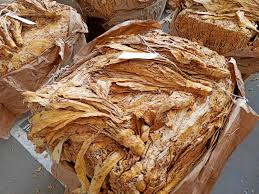
The Flue-Cured Virginia (FCV) tobacco sector in Andhra Pradesh is facing a crisis due to surplus crop, prompting the State government to consider restricting production in the upcoming season. Agriculture Minister Kinjarapu Atchannaidu announced plans to educate farmers on capping production at 81 million kilograms for the 2026-27 season. Despite the Tobacco Board permitting 142 million kg production for Andhra Pradesh in the 2025-26 season, the actual output has surged to nearly 240 million kg.
The surplus production, coupled with weak exports and slow procurement processes, has plunged numerous farmers into financial distress. In response to the situation, the agriculture minister recently conducted a teleconference on FCV tobacco procurement, with various officials including Energy Minister Gottipati Ravi Kumar and Social Welfare Minister Dola Sri Bala Veeranjaneya Swamy in attendance. Discussions during the meeting centered on strategies to expedite tobacco procurement and ensure farmers receive fair prices.
Minister Atchannaidu highlighted that procurement activities have intensified in the past few days, with daily procurement reaching 8.5 lakh kilograms. Despite the current maximum price standing at ₹250, he urged the Tobacco Board to pressurize tobacco-buying companies to raise prices further, expressing optimism that farmers could secure better rates with the ongoing procurement momentum. The minister also advised the Tobacco Board officials to engage with companies to ensure even lower-quality tobacco fetches reasonable prices.
The distress faced by farmers is attributed to shortcomings in production planning, procurement processes, and export policies, exacerbated by increased taxation. Farmers have reported a 70% rise in excise duty on cigarettes, disrupting the tobacco value chain. Chief Minister N. Chandrababu Naidu has raised concerns over the revised taxation policy’s impact on FCV tobacco farmers, citing a significant increase in GST on cigarettes and a steep hike in excise duty as major challenges affecting the farmers’ interests.
