


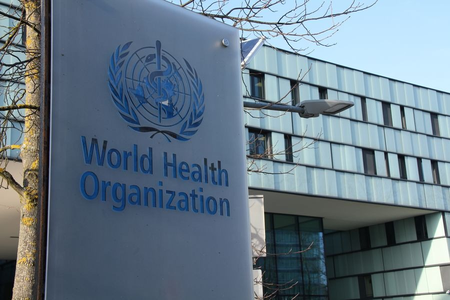
Argentina has officially exited the World Health Organization (WHO), as confirmed by Foreign Minister Pablo Quirno. The withdrawal process, initiated through a note to the UN Secretary-General on March 17, 2025, aligns with the Vienna Convention on the Law of Treaties, setting a one-year timeline for completion. Quirno emphasized that Argentina intends to maintain its global health cooperation through bilateral agreements and regional platforms while upholding its autonomy in health policy decisions.
The decision to disengage from the WHO was first disclosed by the Argentine government in February of the previous year. President Javier Milei directed Foreign Minister Gerardo Werthein to formalize the country’s disassociation from the UN specialized agency, emphasizing the need for tailored policies aligned with Argentina’s interests. The move was portrayed as a strategic shift towards ensuring national sovereignty, particularly in health-related matters.
Addressing concerns over potential financial implications, Manuel Adorni, the presidential spokesperson, clarified that Argentina did not rely on WHO funding for health initiatives. This stance was reinforced by the assertion that the withdrawal would not impact service quality or resource availability, contrary to some social media speculations. The decision was framed as a means to enhance policy flexibility and resource allocation in alignment with Argentina’s specific needs and objectives.
In response to queries about future disengagements from international bodies, the spokesperson highlighted President Milei’s commitment to enhancing Argentina’s independence. While the possibility of similar actions against other organizations remained uncertain, the overarching goal was articulated as securing greater autonomy for the nation on the global stage.
