


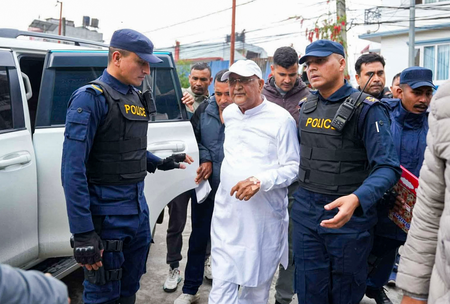
Since the arrest of former Nepal Prime Minister K.P. Sharma Oli and ex-Home Minister Ramesh Lekhak for their involvement in the September 2025 firing in Kathmandu, Nepal has seen varied responses regarding the legal actions taken. Pressure mounted after a probe agency submitted its findings and recommendations to the interim government on March 8, with calls for the report’s public disclosure. However, the decision was deferred to the incoming Prime Minister and cabinet.
Excerpts from the extensive 1,000-page report started surfacing in Nepali media, leading the interim government to contemplate releasing it shortly before the new government assumed office. The arrests based on the Gen Z uprising probe report have raised concerns as the report remains undisclosed, and other top security officials mentioned in it were not apprehended. The hurried arrests have fueled suspicions of potential political targeting by the new government.
The article highlighted the emergence of new democratically elected governments in Nepal and Bangladesh following youth-led protests against alleged misrule, although the outcomes in the two nations differed. Nepal witnessed a change in government after protests over misgovernance, with K.P. Sharma Oli participating in elections but losing to Balendra Shah. In contrast, Bangladesh saw former Prime Minister Sheikh Hasina leaving amid unrest and subsequently facing legal repercussions.
Caution was advised to Nepal’s new leadership to ensure fairness and justice, especially in cases related to the Gen Z uprising. The importance of holding all responsible parties accountable for the violent suppression of protests was emphasized, urging the government to avoid selective prosecution that could raise doubts about the justice system’s credibility. The article also mentioned Nepal’s new administration’s reform agenda aimed at improving the economy and reducing political influence in institutions.
