


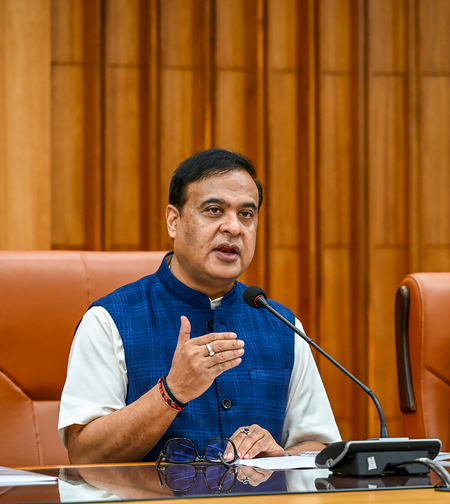
Assam Chief Minister Himanta Biswa Sarma revealed a massive project worth Rs 2,500 crore to relocate Guwahati’s overhead power distribution system underground. This initiative aims to modernize the city, making it a safer and more reliable urban center with an underground electricity infrastructure. The project is part of a long-term vision to enhance Guwahati’s urban infrastructure and elevate the quality of life for its residents.
The ambitious project involves converting the city’s overhead electricity distribution network into an underground cabling system in phases. By doing so, the city will experience reduced storm-related outages, improved public safety, and an enhanced overall aesthetic appeal. The move is expected to bolster the reliability of power supply and safeguard the electricity infrastructure from weather-related disruptions, which are common during heavy rains and storms in the state.
The initial phase of the project, funded under the Revamped Distribution Sector Scheme (RDSS) with an allocation of Rs 200 crore, will focus on five major corridors in Guwahati. Subsequent phases will see the expansion of the underground cabling network throughout the city. Chief Minister Sarma highlighted that this transformation will not only enhance the city’s visual appeal but also contribute to decongesting urban areas by eliminating overhead electric poles and wires, thereby creating safer roads.
The underground power network initiative aligns with the government’s broader strategy to develop Guwahati into a modern metropolitan city by investing in transport, energy, urban planning, and digital infrastructure. The recently presented Assam Budget for 2026-27, emphasizing infrastructure development, includes significant investments in power, connectivity, healthcare, and urban development. This underground cabling project underscores the government’s dedication to building resilient infrastructure capable of meeting the needs of a growing urban population while ensuring uninterrupted electricity supply for households, businesses, and public institutions.
