


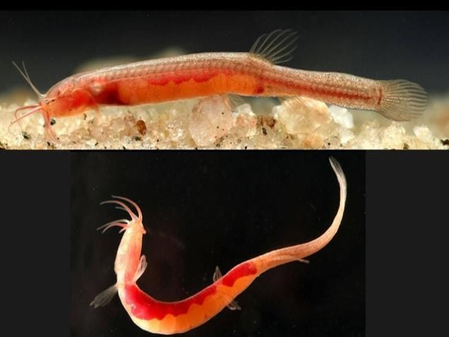
Assam Chief Minister Himanta Biswa Sarma praised the recent discovery of a unique fish species in the deep underground waters of Goalpara district. He called it a significant example of the state’s diverse and unexplored biodiversity. The Chief Minister expressed his excitement over the finding, emphasizing the hidden ecological treasures beneath the surface.
The discovery of this rare fish species in Goalpara’s underground water is being celebrated for shedding light on the region’s rich and undiscovered biodiversity. The Chief Minister commended the team of scientists and researchers involved in the study, recognizing their valuable contribution to biodiversity research in the Northeast.
Subterranean aquatic ecosystems, like the one where the rare fish was found, are among the least explored habitats in India. These underground water systems often host species with unique biological characteristics due to their isolated, dark, and food-limited environments. Experts believe that such fish may have specialized adaptations to survive in cave-like conditions, such as reduced pigmentation and enhanced sensory organs.
Goalpara district, situated in western Assam, is renowned for its diverse landscape and river systems. However, the recent discovery suggests that the region may also harbor crucial underground ecological networks that are yet to be fully studied and documented. Researchers involved in the project are planning further taxonomic and ecological studies to unravel the genetic identity, habitat range, conservation status, and long-term survival prospects of the newly discovered fish species.
Scientists emphasize the importance of safeguarding fragile underground freshwater ecosystems from pollution, excessive groundwater extraction, and habitat disruptions. Many subterranean species are highly sensitive to environmental changes, making conservation efforts crucial. The discovery underscores Assam’s growing role in biodiversity research, with the state gaining global recognition for its diverse flora and fauna across various ecosystems.
Academic institutions in the Northeast have been fostering collaborations with national and international research organizations, leading to new discoveries in zoology, botany, and environmental sciences. The newfound fish species is expected to spark broader scientific interest and pave the way for enhanced research on subterranean biodiversity in the region.
