


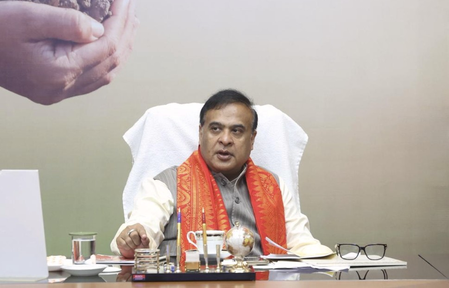
Assam’s Chief Minister, Himanta Biswa Sarma, highlighted the state government’s significant focus on enhancing agricultural infrastructure. He mentioned that irrigation has played a crucial role in transforming the rural economy of Assam in the past five years. The Chief Minister shared that 772 minor irrigation schemes have been implemented, expanding irrigation coverage over 60,000 hectares of farmland.
The progress in irrigation has notably reduced farmers’ reliance on unpredictable rainfall, allowing for better planning of multiple cropping cycles and increased productivity. The government’s efforts have concentrated on completing pending projects and introducing sustainable solutions like solar-powered irrigation systems. One notable success is the Dhansiri irrigation project, benefiting agricultural land in 175 villages by ensuring a steady water supply.
The irrigation initiatives have not only boosted rural employment but also enhanced water management practices, contributing to the long-term resilience of agriculture. The government’s approach has been marked by accountability, timely execution, and outcome-driven results, aligning with its broader vision of inclusive rural development. This expansion of irrigation forms a critical part of the state’s strategy to elevate farmers’ income, promote self-sufficiency in food production, and strengthen Assam’s agrarian economy.
Assam aims to mitigate the impacts of climate variability and changing rainfall patterns through improved irrigation coverage, as experts suggest. The Chief Minister reaffirmed the government’s dedication to constructing robust agricultural infrastructure and ensuring that development benefits reach the grassroots level. He emphasized that enhanced irrigation systems will continue to be pivotal in Assam’s sustainable and resilient growth journey, forming a key aspect of the state’s development agenda as it prepares for future agricultural challenges.
