


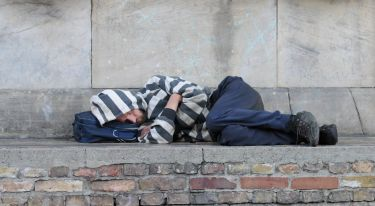
Australia could witness a fourfold increase in homelessness over the next decade if high-emissions climate scenarios persist, as per a recent study. The study, released by Australia’s University of Sydney, warns that climate change is increasingly affecting housing affordability. Climate-related factors such as rising insurance costs, disrupted construction supply chains, and changing investment patterns are projected to exacerbate housing stress nationwide.
The research indicates that housing affordability and homelessness could worsen significantly even with well-meaning housing policies in place under the influence of climate change. Homeownership costs might double, and rents could surge by up to 45% in a high-emissions trajectory. In a low-emissions scenario, homelessness might double, and rental affordability could decline by 23% compared to 2020 levels.
By analyzing almost two decades of national housing, income, and demographic data, the researchers have modeled the potential impacts of climate-driven shocks and policies on affordability, homelessness, and rental pressures. They emphasize the importance of ensuring that new housing policies consider climate change implications to prevent exacerbating inequality.
Peyman Habibi-Moshfegh from the University of Sydney School of Project Management stresses the necessity for climate change simulations in the development of housing policies to avoid deepening inequality. The lead author of the study, published in the journal Cities, Habibi-Moshfegh, highlights the need to incorporate future climate shocks into housing policy planning.
