


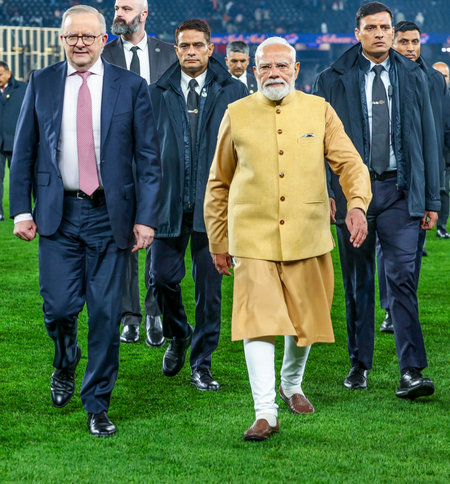
In 2008, India was denied Australian uranium due to the Non-Proliferation Treaty demand. However, in 2026, Australia agreed to fuel Indian reactors without such conditions. This shift symbolizes PM Modi’s successful diplomatic journey through various nations.
Australia’s stance on uranium sales to India changed drastically over the years. Despite earlier refusals, PM Modi signed a crucial Civil Nuclear Cooperation Agreement in 2014. Recently, in Melbourne, the final administrative barriers were removed, enabling the supply of Australian uranium to India.
India’s defense narrative also witnessed a significant transformation. Indonesia became the third country to procure BrahMos missiles from India, signifying a shift from being a defense buyer to a seller. The strategic partnership with Indonesia extends to infrastructure development and critical minerals cooperation.
Trade relations with Australia have strengthened, with a notable increase in bilateral trade. Additionally, New Zealand swiftly concluded a Free Trade Agreement with India after four decades. PM Modi’s visit to Auckland marked the establishment of a Strategic Partnership and a roadmap for future collaborations.
PM Modi’s diplomatic successes reflect a strategic design unfolding over the years. From uranium agreements to missile exports and trade pacts, India’s global standing has significantly improved. The recognition received from various nations signifies India’s growing influence and respect in international relations.
