


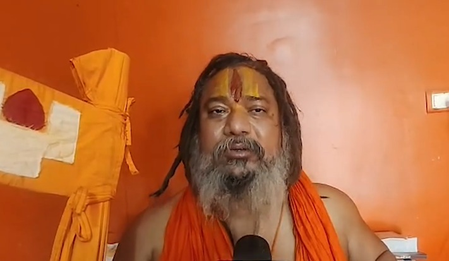
Ayodhya seers have expressed solidarity with the Pasi community regarding the Kasmandi site dispute in Malihabad, Lucknow district. The community claims the area, currently a mosque and graveyard, was part of an ancient fort linked to Raja Kans and housed a Shiva temple. They seek a thorough investigation into the historical status of the site to preserve their heritage and cultural identity.
The controversy arose when the Pasi community asserted that the site, now a mosque and graveyard, historically belonged to an old fort associated with Raja Kans and contained a Shiva temple. Referring to English gazetteers and local oral histories, the community has urged the Uttar Pradesh government to conduct a detailed inquiry into the site’s historical background.
In response, various sadhus and religious figures from Ayodhya have backed the community’s plea for safeguarding their heritage and cultural roots. Sitaram Das from Saket Bhavan Temple in Ayodhya commended the community’s awareness and vigilance in protecting their heritage and national identity, emphasizing the importance of staying alert to such issues.
Prominent figures like Paramhans Acharya, Peethadheeshwar of Tapasvi Chhawani, have voiced support for the Pasi community’s rights, highlighting India’s Vedic traditions predating Islam and affirming their commitment to the community’s cause. Jyotishacharya Rakesh Tripathi of Jyotish Bhawan, Ayodhya, emphasized the historical significance of Lucknow for the Pasi community and stressed the need for respecting private properties in religious matters.
The statements by Ayodhya’s seers have introduced a fresh perspective to the ongoing discussion, drawing attention from local community groups and political observers. While authorities in Lucknow are yet to issue a detailed response, community leaders persist in seeking an official investigation into the site’s historical and legal standing.
