


The recent Bangladesh elections have brought relief to both the country and India. However, Indian agencies are closely monitoring the Jamaat-e-Islami’s significant wins along the West Bengal border. With the Bangladesh Nationalist Party’s Tarique Rahman poised to become Prime Minister, India anticipates a reset in bilateral ties.
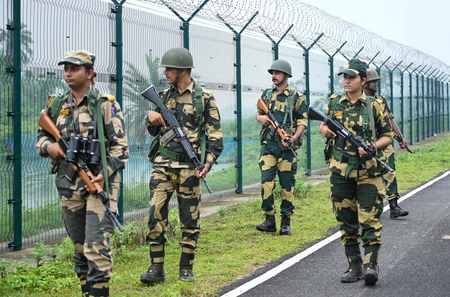
The Jamaat-e-Islami secured 70 seats, with a majority clustered along the West Bengal border, raising security concerns. The group has historically focused on facilitating illegal immigration into India through West Bengal. As West Bengal gears up for elections, the Jamaat is expected to intensify efforts to disrupt law and order in the region.
Of particular worry is the presence of minority Hindu communities in areas where the Jamaat has won seats. Despite assurances in their manifesto, concerns persist that the Jamaat may target these communities. The group’s strong performance in border areas with India poses a potential threat to border security.
Intelligence reports suggest that the Jamaat may escalate illegal immigration activities ahead of the West Bengal elections to influence demographics and stoke communal tensions. The group has established a presence in rural Bangladesh, with numerous Madrasas serving as hubs for radicalization and illegal immigration. Security agencies are on high alert for potential disruptions and extremist activities.
The Muhammad Yunus era saw the release of radicals and terrorists, including members of groups like HuJI and JMB, who have since been involved in border infiltration activities. There are indications that these operatives are awaiting orders to carry out attacks in India, potentially timed to coincide with the West Bengal elections. Intelligence agencies are actively monitoring online communications for signs of impending threats.
