


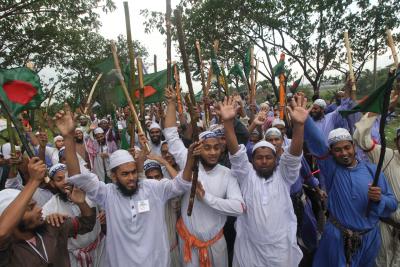
As Bangladesh prepares for elections, the upcoming results will shape the nation’s path towards stability or potential ideological shifts. The governance of the next administration, its inclusiveness, and ability to learn from past mistakes will play crucial roles in defining Bangladesh’s future. The election has evolved into a contest primarily between the Bangladesh Nationalist Party (BNP) and the radical Islamist party, Jamaat-e-Islami, with concerns raised about the historical performance of the BNP in governance.
Highlighting the historical context, the report underlines the BNP’s past governance marked by corruption and weak institutions, raising doubts among voters about the party’s credibility and reform. On the other hand, the Jamaat-e-Islami, once politically marginalized, has seen a resurgence in influence following the fall of the previous government. Jamaat’s narrative emphasizes discipline, honesty, and alignment with religious values, posing concerns for secularists and minorities in Bangladesh.
The potential outcomes of the election are analyzed, with a scenario where Jamaat and its allies secure power leading to a shift towards a more conservative public discourse. This could impact minority rights, women’s empowerment, and the country’s international relations, potentially altering its stance towards India and Western nations. Conversely, a hung parliament or disputed election result is deemed the most perilous, raising fears of protests, political violence, and military intervention.
Looking at the global implications, the report underscores that Bangladesh’s political direction, despite lacking formal ties with Israel, holds significance. A more religious and nationalist Bangladesh could amplify its presence in Islamist international forums, while a stable civilian government would offer predictability amid regional dynamics.
