


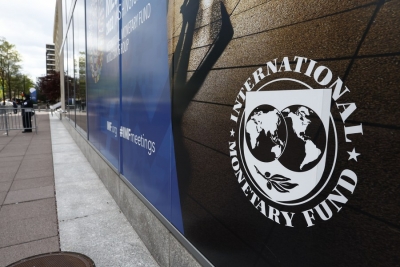
Bangladesh encountered obstacles in obtaining financial aid during the recent IMF-World Bank Spring meeting. Reports suggest a lack of progress on the stalled IMF program and uncertainty surrounding the mobilization of expected $3.2 billion in budget support from various entities within the government’s timeline. This development comes at a critical juncture, especially with ongoing global tensions affecting energy and freight markets.
The Bangladeshi government remains outwardly calm post-meeting, emphasizing that the IMF program remains under consideration. Officials express confidence that external funding will materialize once routine discussions conclude in the upcoming months. However, the country faces fiscal challenges with a substantial budget and ambitious revenue targets, posing a risk as the global economic environment grows more challenging.
The nation grapples with a complex fiscal scenario, marked by rising oil prices due to regional conflicts impacting import costs and subsidy requirements. Disruptions in urea shipments from key suppliers further strain the economy, increasing costs for essential sectors like agriculture and manufacturing. These financial pressures are exacerbated by a dwindling foreign exchange reserve, intensifying the urgency for sustainable economic policies.
Amidst these challenges, Bangladesh confronts a dual squeeze – external economic pressures and internal policy inertia. The absence of a functional IMF program not only affects immediate financial stability but also erodes the country’s credibility in securing future multilateral loans. This confluence of factors underscores the critical need for proactive economic measures to navigate the evolving global economic landscape.
