


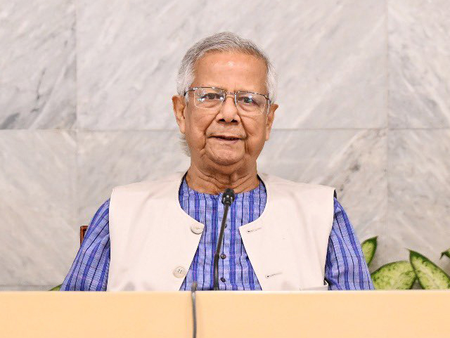
With Bangladesh gearing up for elections next week, the Human Rights Watch (HRW) criticized the Muhammad Yunus-led interim government for failing to uphold law and order and implement promised human rights reforms since taking power in 2024. The HRW’s 2026 World Report highlighted the arbitrary detention of perceived political opponents and the ban on the Awami League by the interim government.
The HRW also pointed out that the interim government opted to prosecute serious crimes allegedly committed during the Awami League’s rule at Bangladesh’s International Crimes Tribunal (ICT). Last year, the ICT sentenced Sheikh Hasina and former home minister Asaduzzaman Khan Kamal to death in absentia for crimes against humanity, with a former police chief receiving a five-year jail term.
The HRW raised concerns about the lack of fair trial standards at the tribunal and criticized the interim government for granting the court extensive powers to prosecute and dismantle political organizations. The report highlighted a surge in mob violence by political parties and non-state groups, including attacks on minority communities and violations against women and LGBTQ individuals.
According to the HRW, Bangladesh witnessed a rise in mob attacks resulting in at least 124 deaths between June and August 2025. The report also mentioned specific incidents, such as a mob damaging homes of the Hindu minority in Rangpur district and persistent violations against minority communities in the Chittagong Hill Tracts, including cases of rape.
The HRW emphasized the prevalence of sexual and gender-based violence during the Yunus regime, noting the challenges faced by women seeking protection and justice. Despite women’s significant role in the July 2024 demonstrations, their representation in the interim government remained inadequate. In response to escalating violence, a commission recommended measures to protect women’s rights, triggering protests by Islamist groups in Dhaka.
