


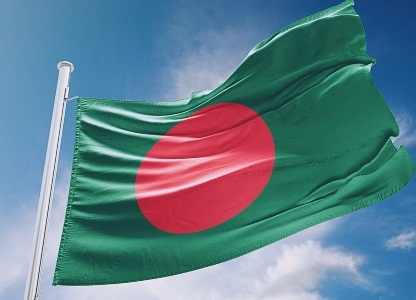
Bangladesh is on the brink of significant changes following the upheaval in July 2024, as it navigates a mix of domestic shifts and global geopolitical uncertainties. The country is gearing up for a transition from Least Developed Country status in 2026, prompting a reevaluation of its external relations and the need for reforms in governance and policies. A transformation in the political landscape at home, marked by demands for justice and a fair economic system, is reshaping Bangladesh’s future.
A generational shift is underway in Bangladesh, with evolving demands that call for a departure from traditional mindsets and behaviors to adapt to the complexities of the new era. The nation’s strengths lie in the entrepreneurial drive of its people, the vibrancy of its youth and women, and the resilience of its society, although these positives have often been overshadowed by governance challenges and personality-driven politics.
Externally, Bangladesh is facing growing geopolitical tensions, with strains in its relationship with India impacting the regional balance and the unresolved Rohingya crisis posing ongoing concerns. The escalating competition among major powers in the Indo-Pacific region is directly influencing the Bay of Bengal and the Indian Ocean, positioning Bangladesh at a critical juncture of global strategic interests. Experts emphasize the importance of effectively managing these dynamics to protect the nation’s identity, security, and prosperity.
To navigate these challenges, experts recommend a multifaceted strategy that includes proactive diplomacy, reputation management, calibrated bilateral engagements, and strategic partnerships. Bangladesh is advised to enhance its global image by showcasing its contributions to non-traditional security issues like climate change, disaster management, migration, and humanitarian efforts. Building equitable relations with neighboring countries, particularly India, based on principles of mutual benefit and non-interference, is deemed crucial.
