


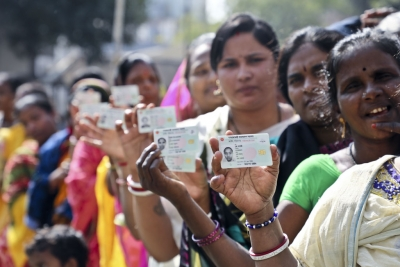
Bangladesh is on the brink of its 13th national election, a pivotal event since its independence in 1971, scheduled for February 12. The main contenders are the Bangladesh Nationalist Party (BNP) and Bangladesh Jamaat-e-Islami, with the Awami League banned following protests in 2024. Sheikh Hasina, the Awami Leader, has sought refuge in India as her party faces a ban and a death order.
The upcoming election will see around 128 million registered voters casting their votes at over 42,000 polling booths. Gen Z voters are expected to play a significant role in shaping the election narrative, potentially influencing Bangladesh’s political landscape and its regional relationships. Analysts predict that the BNP may have an edge over Jamaat, with the former likely to maintain closer ties with India.
The election will also include a referendum on the “July Charter” for constitutional reforms. This referendum will require voters to collectively approve or reject a series of reforms aimed at reshaping Bangladesh’s governance and democratic structure. Over the years, Bangladesh’s political history has seen shifts in power dynamics, with various parties dominating different periods, leading up to the current contest between the BNP and Jamaat coalitions.
