


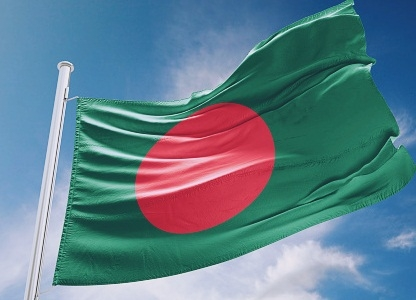
With the Bangladesh general election approaching, concerns are rising over political tensions, religious intolerance, economic challenges, and a shrinking civic space. The media in Bangladesh has been highlighting issues such as a slowing economy, rising religious intolerance, setbacks in gender equality, and concerns about media freedom. Chief Adviser Muhammad Yunus has publicly expressed worries about widespread document fraud damaging the country’s international credibility.
Women’s voices in Bangladesh are pointing out discrepancies between political promises and the reality they experience. Reports indicate a gap in safety in public spaces, equal pay, childcare support, and women’s access to justice and political representation. Religious rhetoric and identity politics are emerging as significant factors in the upcoming election, with reports of mob violence and lynching of minorities making headlines.
The Transparency International Bangladesh (TIB) has highlighted the rise of religious politics in the country due to the absence of a democratic political environment and the influence of religious fanaticism. The Bangladesh Nationalist Party (BNP) has accused the Jamaat-e-Islami of spreading “fascist propaganda” and misleading narratives to sway voters. The Jamaat, after facing bans and legal challenges, will now participate in the upcoming polls after about 17 years.
